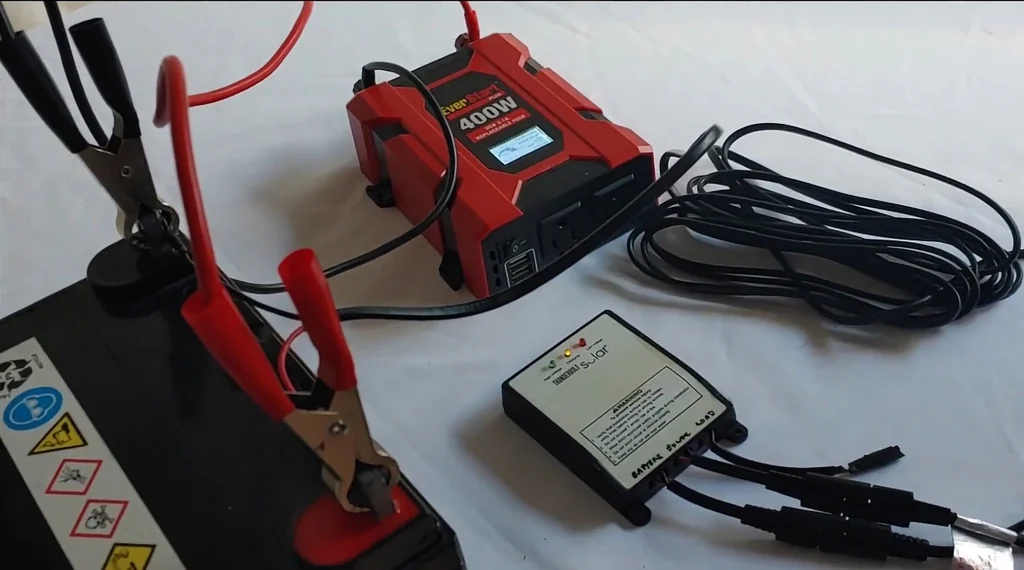
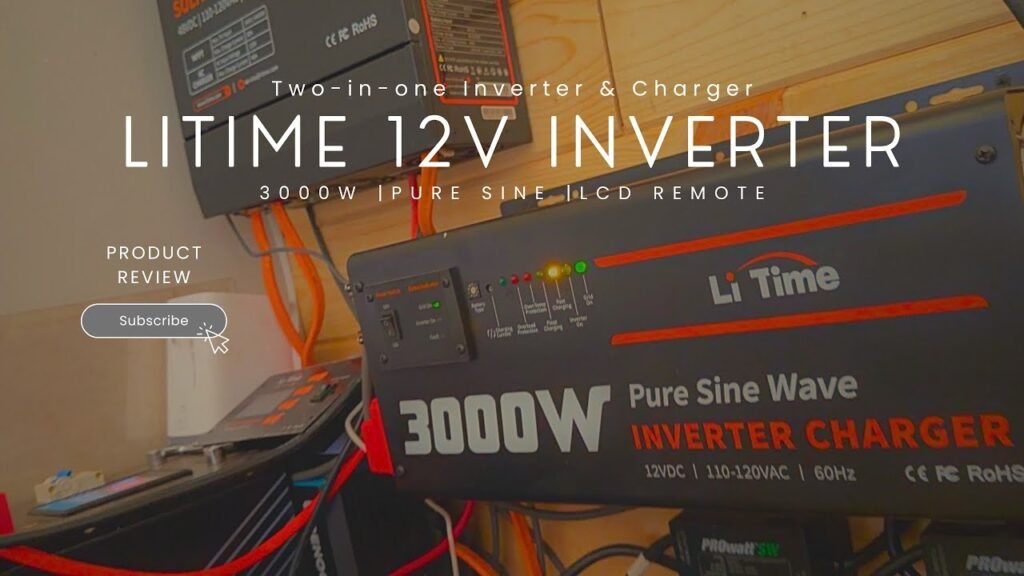
When a severe storm knocked out grid power across Northwest Indiana for days, relying on temporary emergency battery power wasn’t just convenient—it kept refrigerators cold and gear running. An EcoFlow portable power station handling 3,000 watts of output delivers reliable pass-through energy while taking up to 1,600 watts of solar array input.
⚡ Quick Guide: How to Make It in 10 Steps
- Connect critical appliances like fridges and laptops.
- Hook up dual 400W solar panels out back.
- Utilize AC grid or generator cords when needed.
- Plug directly into 120V household outlets safely.
- Enable simultaneous pass-through power charging and output.
- Calculate net charge rates under heavy sun exposure.
- Maintain long-term lithium battery banks for outages.
- Select non-sponsored self-funded backup equipment.
- Share portable power units with neighboring households.
- Distribute emergency preparedness information freely to others.
📋 In This Article
- Technical Specifications & Components
- Tools & Materials Used — what you will need for this project
- Connecting Essential Household Loads to the Station
- Configuring Solar Input Charging Methods
- Utilizing Auxiliary Grid and Generator Inputs
- Managing Direct 120V AC Power Cords
- Verifying Simultaneous Pass-Through Power Functionality
- Calculating Real-World Solar Net Output Math
- Evaluating Long-Term Off-Grid Battery Reliability
- Assessing Gear Performance Without Commercial Hype
- Deploying Secondary Portable Stations to Neighbors
- Sharing Emergency Power Preparedness Knowledge
- FAQ
📊 Technical Specifications & Components
| Inverter Peak Output | 3,000 W |
| Maximum Solar Input Capacity | 1,600 W |
| Max Solar Array Configuration | 4x 400 W Panels |
| Grid AC Input Voltage | 120V AC |
| Battery Service Life | 4+ Years Continuous Standby |
| Estimated Fridge Runtime | Up to 15 Hours |
📊 Project Overview & Costs
🔧 Difficulty Level: Easy
⏱️ Time Investment: DIY: 15 minutes | Pro: 5 minutes
💰 Professional Service Cost: $0 (Self-Installed)
💡 Verdict: Deploying your own solar backup system avoids food spoilage and costly commercial generator rentals during storm blackouts.
🛠️ Tools & Materials Used
• Standard 120V AC Power Cord
Step-by-Step Guide
Connecting Essential Household Loads to the Station
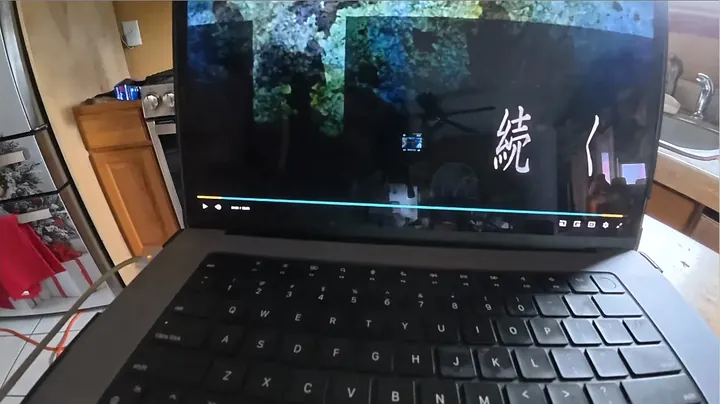
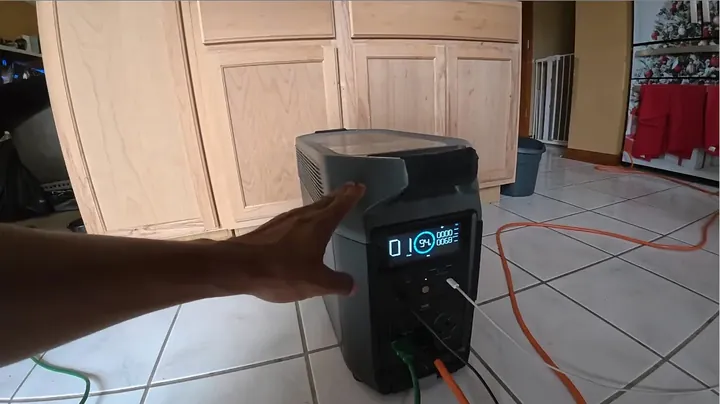
I start by plugging major appliances directly into the station's output panel. The unit handles 3,000 watts, which easily manages the initial current surge from my kitchen fridge. Running a laptop, television, and the refrigerator draws a steady load without straining the internal inverter. I get roughly 15 hours of runtime under this setup. It's efficient. Organizing these connections quickly prevents food loss during unexpected power cuts.
Configuring Solar Input Charging Methods
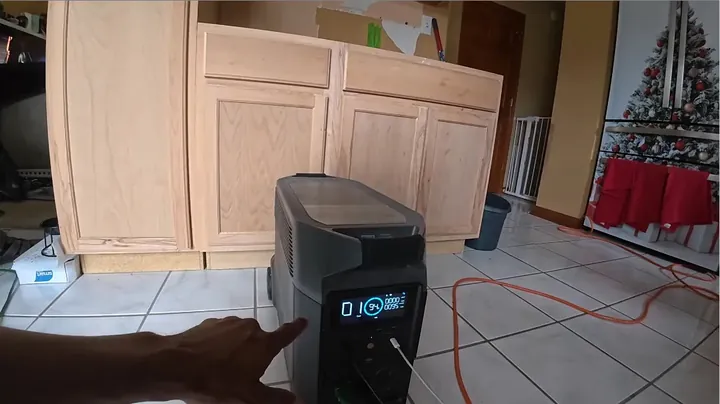
I keep the batteries charged using the solar input port when the grid stays down. The MPPT controller manages up to 1,600 watts, so I link my solar panels to the DC interface. Wiring panels in series maximizes the incoming voltage. Free energy. I don't need to chase gas supplies or wait in lines when local storms hit.
Utilizing Auxiliary Grid and Generator Inputs
When sunlight is scarce, I use secondary charging options to keep the system alive. I connect an inverter generator or utility line to the AC port if power returns briefly. The BMS handles the charge current efficiently. It's a convenient backup. Plugging a generator directly into the station provides a fast way to refill the cells.
Managing Direct 120V AC Power Cords
I use a heavy-duty 120V cord to link the station to a wall outlet or generator. The connection is secure, which minimizes electrical resistance. No fuel is required. While solar is my primary source, having a reliable AC link ensures I can top off the battery whenever a generator is running.
Verifying Simultaneous Pass-Through Power Functionality
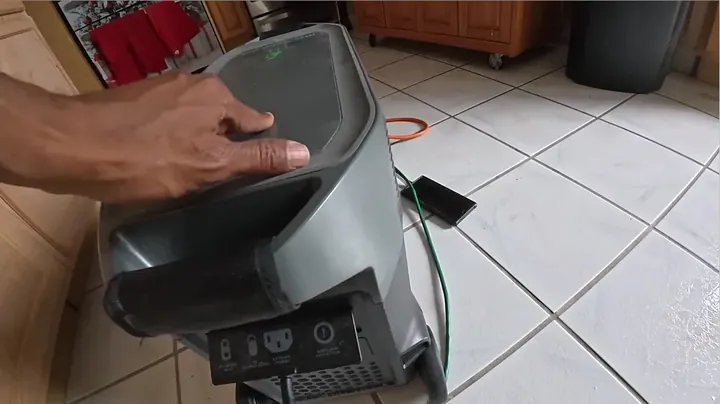
I don't pause my usage to charge the unit. Pass-through power allows me to run my fridge and lights while the station accepts solar input. The internal logic prioritizes the load. Any excess energy is directed into the battery automatically.
Calculating Real-World Solar Net Output Math
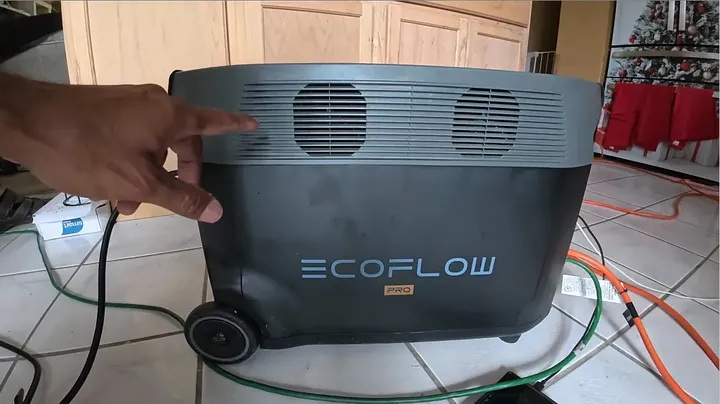
I check my wattage to avoid any power loss. If my house pulls 500 watts and the panels provide 1,600 watts, I have a net gain of 1,100 watts going to the battery. It works. I can maintain my home while the system recharges itself for the night.
Evaluating Long-Term Off-Grid Battery Reliability
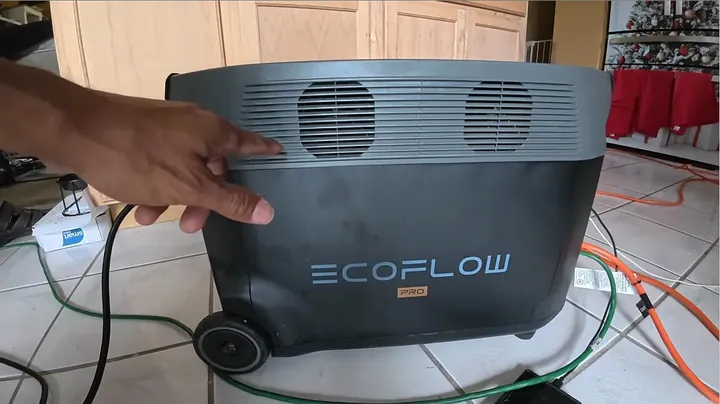
I've used this station for four years as part of my home backup strategy. Redundancy is critical when storms hit. The lithium cells still hold a charge well. They react instantly during power drops, even after repeated use in extreme weather.
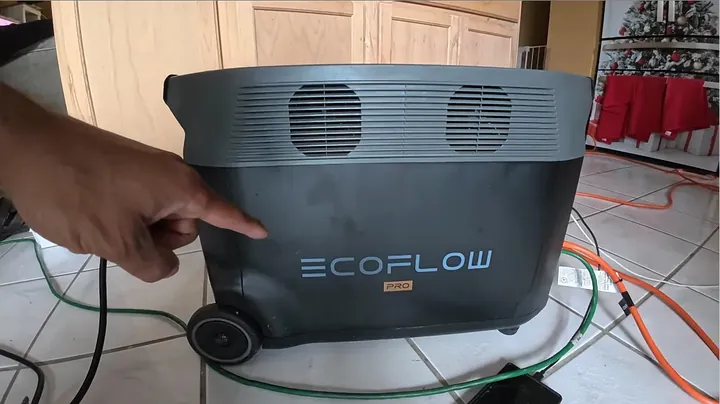
Assessing Gear Performance Without Commercial Hype
I bought this gear with my own money to get honest results. I tested it under real conditions, not in a lab. Real-world usage shows how the inverter handles heat and load. Direct experience is better than any marketing claim.
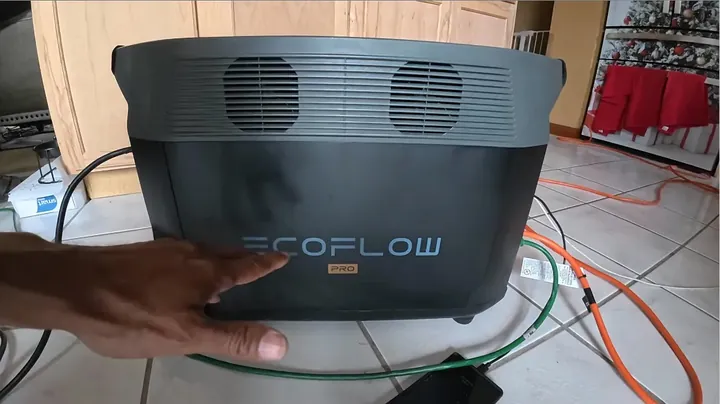
Deploying Secondary Portable Stations to Neighbors
I keep spare units to loan to neighbors during emergencies. It prevents their food from spoiling and keeps their communication active. Community helps. Sharing power makes the neighborhood more resilient.
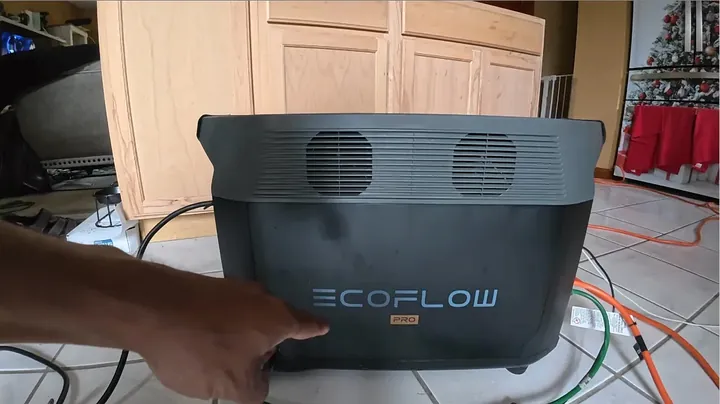
Sharing Emergency Power Preparedness Knowledge
I like to share what I know. Using stations like these is a clean way to handle power outages. Passing on tips about panel setup and power management helps others prepare before the lights go out. Preparation is everything.
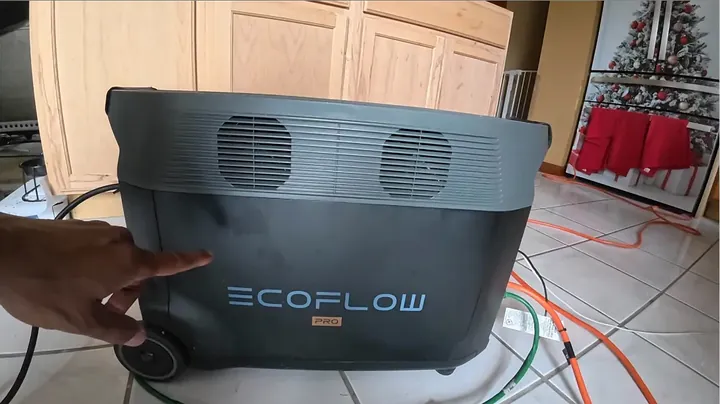
⚠️ CAUTION: SAFETY WARNING!
Never backfeed a portable power station directly into home wall outlets without an approved transfer switch, as this can energize utility lines and endanger lineworkers.
Summary & Tips
Battery stations prove their value when the grid fails. I combine solar input with pass-through power to keep my fridge running and essential devices charged. Sharing these units with neighbors builds safety and keeps the community going without noise or fuel. Get your solar setup ready before the next storm happens.
📋 FAQ
❓ Can I run a full-size refrigerator on a portable power station?
Yes. Most refrigerators consume between 100W and 500W. A 3,000W station manages compressor startup surges easily.
❓ Is pass-through charging safe for the power station battery?
It is safe. The internal system prioritizes load demand. Remaining power charges the internal cells without overheating them.
❓ How many solar panels do I need to charge a power station quickly?
Refer to the maximum DC input capacity. For a 1,600W limit, four 400W panels provide optimal charging speed.
❓ Why do battery power stations use over traditional gas generators?
No exhaust. Minimal noise. No fuel handling. These units run safely inside near your appliances.
Disclaimer: I purchased all tools for this guide with my own money to ensure an unbiased review. This post contains affiliate links, meaning I earn a small commission if you make a purchase at no extra cost to you.