Picking a standby generator for the house or job site takes more than skimming specs on a box. I put the Harbor Freight Predator 11,500 Tri-Fuel Inverter Generator head-to-head with the Gidrox 10,000-watt model in actual field tests. Let’s see which machine holds up when the power fails.
⚡ Quick Comparison Guide
- Compare the front control panels and outlet configurations of both units side by side.
- Evaluate starting procedures and run decibel meters from twenty feet away.
- Inspect the internal engine layout, oil fill locations, and side panel accessibility.
- Analyze warranty coverage, local store availability, and replacement parts networks.
- Running Decibel Tests on the Predator
- Analyzing the Predator Display and Restarting
- Decibel Testing the Gidrox Unit
- Comparing Engine Noise and Side Panels
- Inspecting the Gidrox Interior and Oil Access
- Checking the Predator Access Door and Foam
- Reviewing the Predator Carburetor and Battery Bay
- Inspecting Gidrox Service Access and Neutral Bonding
- Real-World Emergency Readiness and Standby
- Weighing Store Support and Parts Availability
- Final Verdict on Generator Ownership
📋 In This Article
- Technical Specifications & Components
- Tools & Materials Used — what you will need for this project
- Comparing Specs and Initial Setup
- Inspecting the Predator Control Panel
- Evaluating the Gidrox Control Panel
- Connecting Propane Hoses and Starting Up
- Running Decibel Tests on the Predator
- Analyzing the Predator Display and Restarting
- Decibel Testing the Gidrox Unit
- Comparing Engine Noise and Side Panels
- Inspecting the Gidrox Interior and Oil Access
- Checking the Predator Access Door and Foam
- Reviewing the Predator Carburetor and Battery Bay
- Inspecting Gidrox Service Access and Neutral Bonding
- Real-World Emergency Readiness and Standby
- Weighing Store Support and Parts Availability
- Final Verdict on Generator Ownership
- FAQ
📊 Technical Specifications & Components
| Predator Output | 11,500 Watts Tri-Fuel Inverter |
| Gidrox Output | 10,500 Watts Tri-Fuel Generator |
| Voltage Output | 120V / 240V |
| Fuel Types | Gasoline, Propane, Natural Gas |
| Predator Price | Approx. $2,000 - $2,100 |
| Gidrox Price | Approx. $2,088 - $2,100 |
| Predator Decibel (Eco) | 58.2 dB |
| Predator Decibel (Full) | 66.2 dB |
| Gidrox Decibel (Eco) | 64.4 dB |
| Gidrox Decibel (Full) | 67.2 dB |
📊 Project Overview & Costs
🔧 Difficulty Level: Medium
⏱️ Time Investment: DIY: 2 hours | Pro: 1 hour
💰 Professional Service Cost: $150
💡 Verdict: Compare specifications independently prior to purchasing backup power units.
Step-by-Step Generator Comparison & Inspection
Comparing Specs and Initial Setup
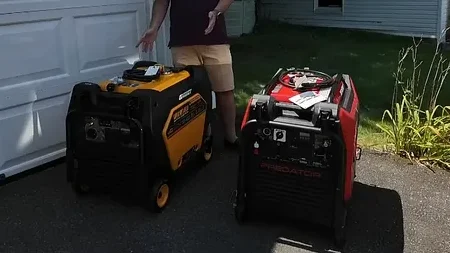
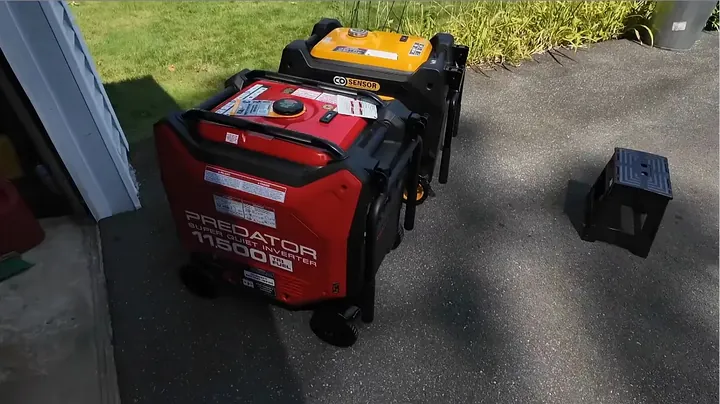
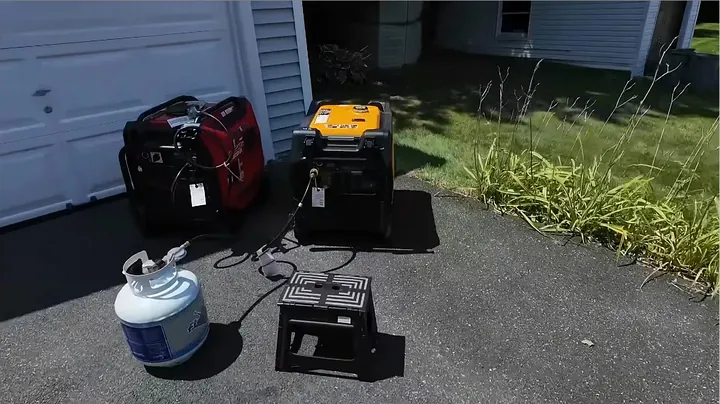
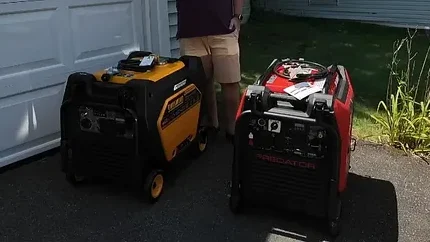
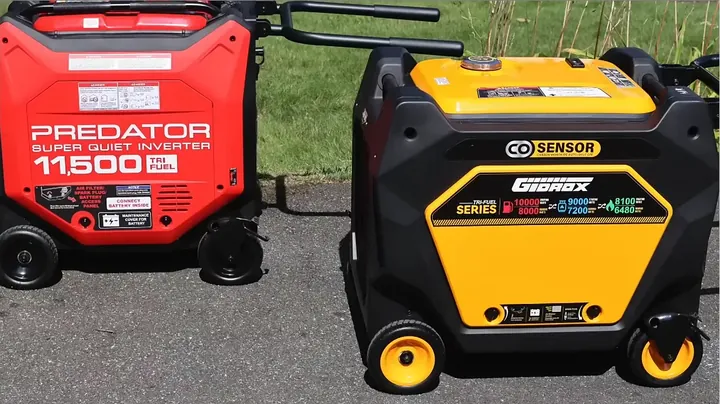
Both units sat on the concrete pad, looking nearly identical on paper. They put out 240V and run on natural gas, propane, or gasoline via large top-mounted tanks. I checked what came in the boxes. Gidrox includes a natural gas hose, cover, and charging cables, while Harbor Freight charges extra for those extras. I bought both units with my own money, skipping manufacturer claims to test them in the real world. I fired them up to check sound levels. Simple.
Inspecting the Predator Control Panel
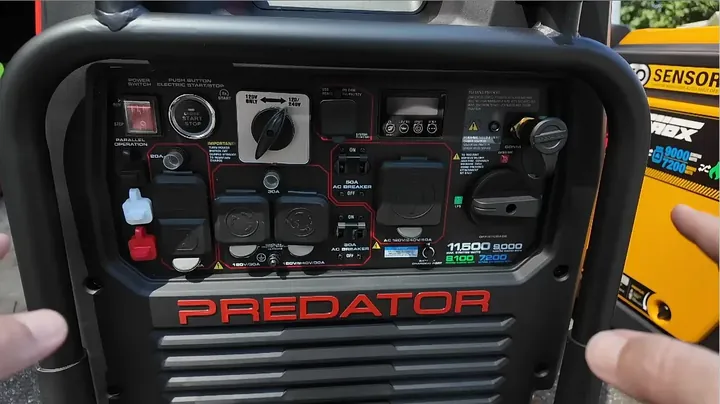
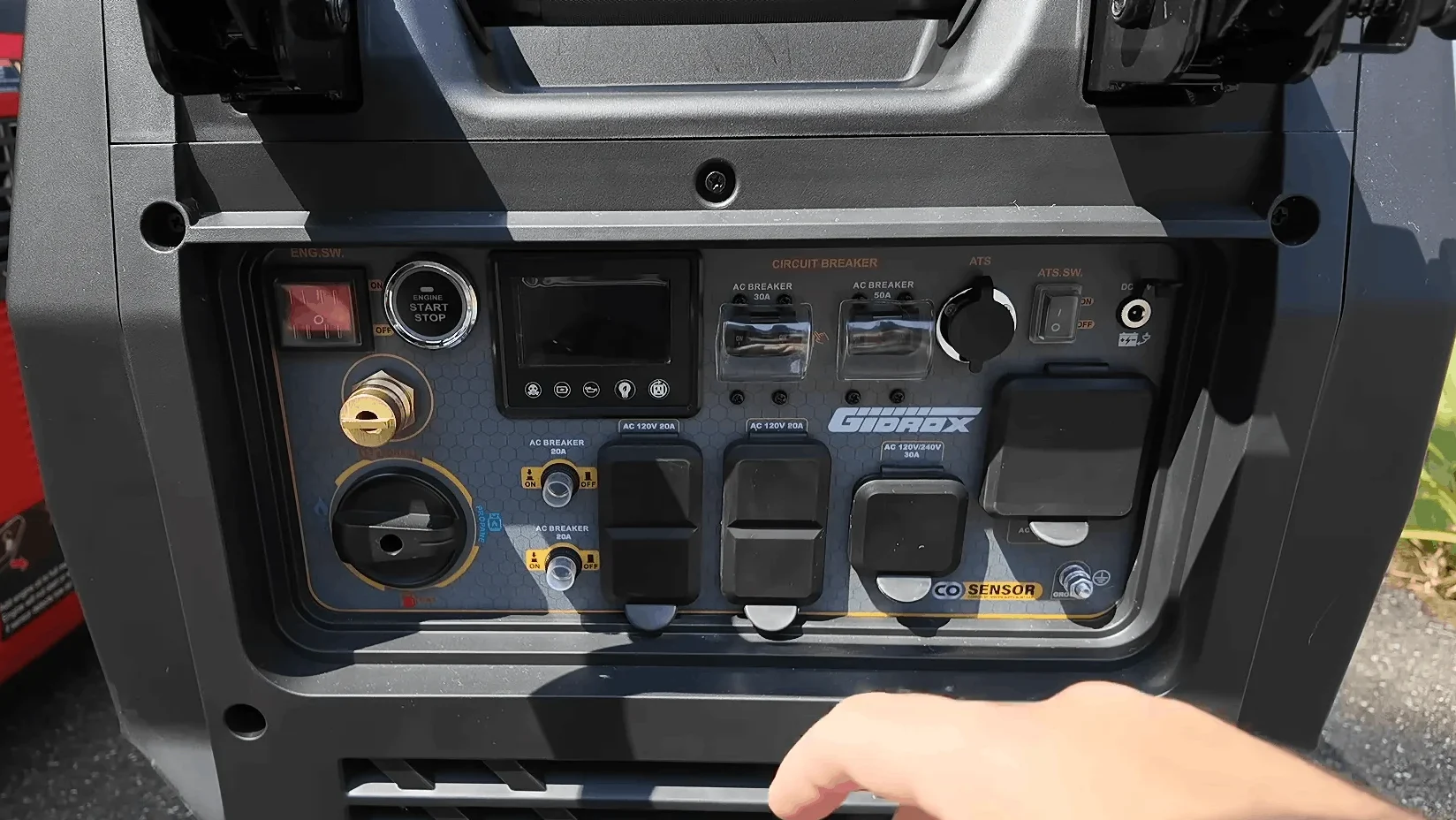
The Predator control panel features parallel connections, a main power toggle, and an electric start button. It includes standard Edison outlets, an L14-30R twist-lock receptacle, and a 50-amp outlet at the bottom. I found a 120V/240V selector, USB ports, and a digital display screen. A rotary dial controls fuel selection between propane, gasoline, and natural gas. There is a carbon monoxide monitor and a battery charger port. One major issue: the unit has a bonded neutral. Tying it into a home transfer switch requires a floating neutral. Unbonding requires removing handles, side panels, and the front control panel to disconnect the internal ground jumper. Annoying work.
Evaluating the Gidrox Control Panel
The Gidrox layout matches most standard generators. It features a power switch, electric start button, quick-connect fuel port, and selector dial. Unlike the Predator, this panel provides two sets of Edison outlets along with an L14-30R and a 50-amp receptacle. An automatic transfer switch port is also included. The screen handles eco-mode adjustments. The unit arrives with a factory-bonded neutral. However, unbonding the Gidrox takes less than a minute compared to the hour-long teardown on the Predator. That saves time.
Connecting Propane Hoses and Starting Up
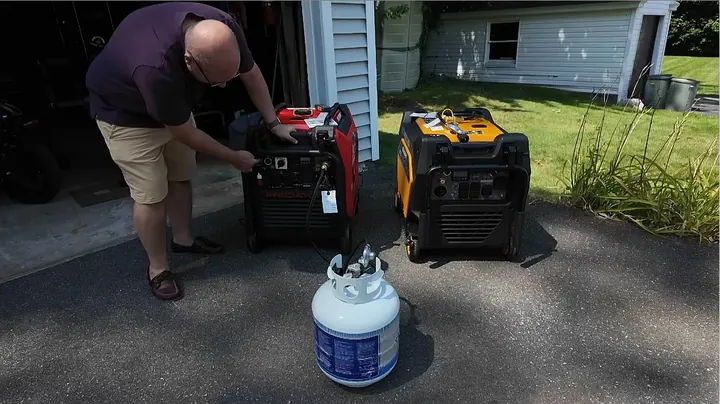
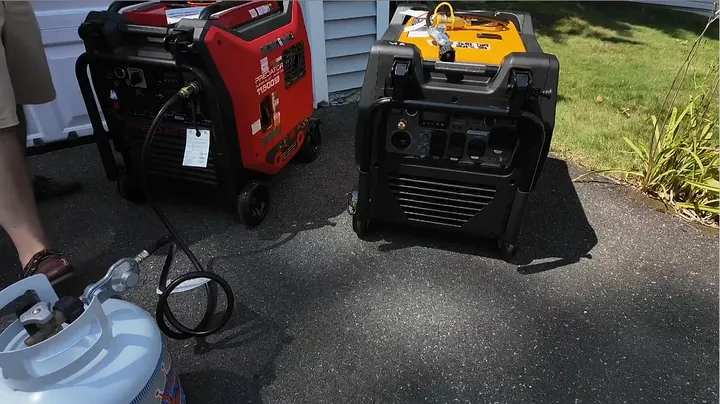
Preparing these generators for startup involved sorting out propane lines. The brass fittings on each hose differ and cannot be swapped between units. I removed the protective caps, clicked the quick-disconnect fittings into place, and threaded the regulators onto standard propane tanks. I turned the fuel valves on and cranked the engines to clear air from the lines. Both started on the first proper attempt. They ran immediately.
Running Decibel Tests on the Predator
I measured sound output twenty feet away with the Predator running in eco-mode. It hit 58.2 decibels. Disabling eco-mode raised the output to 66.2 decibels. During the test, the engine choked and stalled while the carbon monoxide warning flashed red. Exhaust from the side port blew directly against the adjacent Gidrox unit, bouncing fumes back into the sensor. Proper placement matters. Even outdoors, close obstructions trigger safety shutdowns. Expected outcome.
Analyzing the Predator Display and Restarting
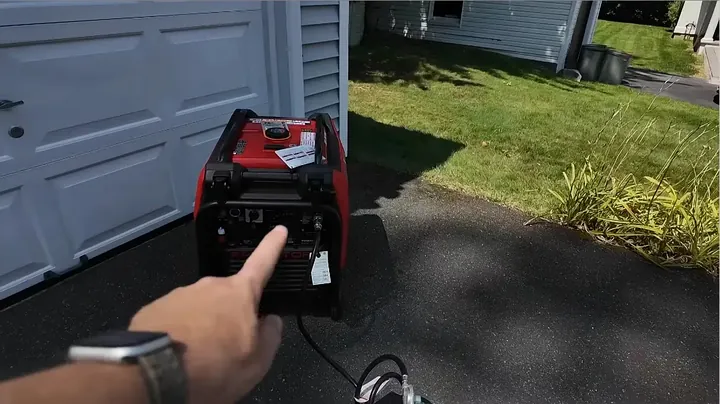
I moved the Gidrox out of the exhaust stream and restarted the Predator. The display shows voltage, load output, and kilowatt usage. I cycled the menu button to check total operating hours. The eco-mode button adjusts engine speed instantly. Pressing it lowers engine noise, while pressing it again ramps up RPMs for heavy loads. It functioned correctly.
Decibel Testing the Gidrox Unit
Connecting propane to the Gidrox required working with tighter panel fittings, but the electric start caught immediately. Testing twenty feet away, the unit registered 64.4 decibels in eco-mode. Turning eco-mode off raised the reading to 67.2 decibels. Toggling the interface returned the unit to eco-mode. Loud machine.
Comparing Engine Noise and Side Panels
Comparing both units, the Gidrox has a larger screen, but the Predator display is easier to read. Standing between them, the Predator produces a deeper, softer exhaust note. It sounds quieter to the ear than the Gidrox under load. Muffler design accounts for this difference. I removed the side panels to inspect internal components. Fasteners came out easily, exposing the pull-start mechanisms and engine internals. Internal differences were significant.
Inspecting the Gidrox Interior and Oil Access
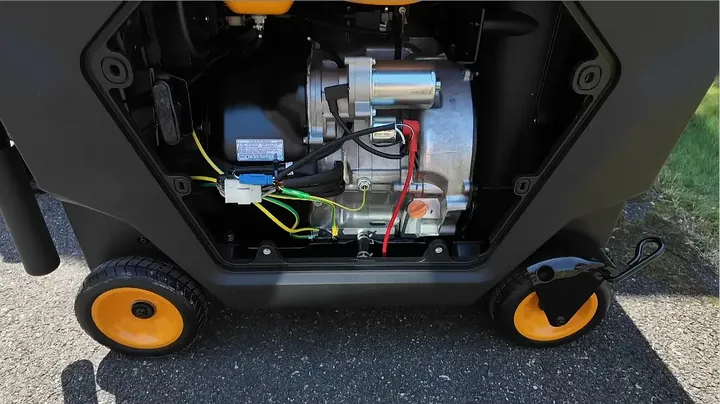
Removing the Gidrox side panel exposed the pull-start assembly and orange oil fill cap. A short rubber oil drain hose sits at the base. This drain design is poorly executed. The hose is too short, requiring me to blindly guide it through a small frame slot to drain oil outside the chassis without creating a spill. Without a fluid extractor pump, draining oil through the baseplate is difficult. Sound-deadening foam inside the access door is standard thickness.
Checking the Predator Access Door and Foam
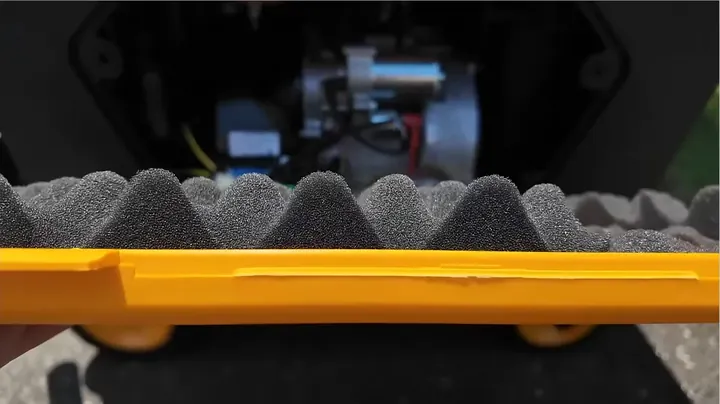
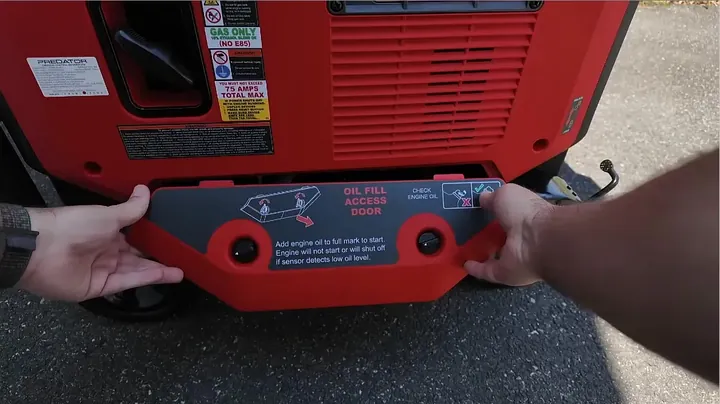
Opening the Predator side door requires turning quick-release tabs instead of removing multiple screws. Inside, the acoustic insulation foam is thicker than the Gidrox material. This insulation explains the lower operating noise. However, maintenance has drawbacks. The oil fill plug is located deeply within the frame. I had to kneel on the ground to locate the orange plug. Inserting a funnel without spilling oil on the engine block requires precision. I measured oil quantities beforehand.
Reviewing the Predator Carburetor and Battery Bay
Accessing the opposite side of the Predator revealed the 12V starter battery mounted securely with adequate clearance. The carburetor float bowl features an accessible brass drain screw, and the manual choke lever is clearly labeled. The air filter housing is positioned for easy servicing. Despite the awkward oil fill location, the Predator layout scores well for serviceability.
Inspecting Gidrox Service Access and Neutral Bonding
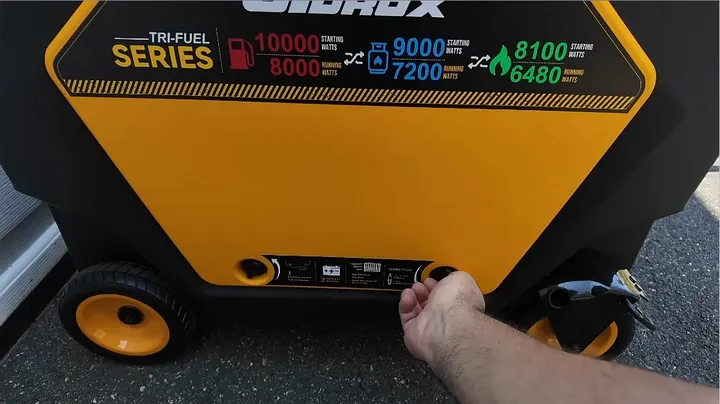
The opposite side of the Gidrox requires removing several screws to access components. The starter battery, carburetor bowl drain, and choke lever are inside. The air filter sits tightly in place. Reevaluating neutral bonding: unbonding the Gidrox takes minutes. I removed the side panel, located the green ground and white neutral wires on the grounding lug, loosened the fasteners, and disconnected the marked neutral jumper cable. I secured the ground wire and completed the procedure without modifying the wiring harness.
Real-World Emergency Readiness and Standby
During a heat wave in New York with temperatures exceeding 105 degrees, the grid failed. I ran the house using a portable Jackery power station with a Bluetti backup in reserve. When indoor temperatures climbed and mini-split air conditioners needed power, deploying a generator became necessary. House transfer switches require a floating neutral for safety. Because modifying the Predator requires disassembly to unbond the neutral, the Gidrox proved more practical due to its accessible neutral jumper. Power returned before deployment, but accessibility matters in high-stress situations.
Weighing Store Support and Parts Availability
Retail support is a primary factor when purchasing a generator. I can drive to Harbor Freight, load the Predator into a vehicle, and complete the purchase locally. If issues arise, I can return it directly to the counter. Gidrox ships online exclusively. Receiving a 200-pound unit damaged on a freight pallet creates return shipping complications. Harbor Freight also maintains local stock for replacement parts like carburetors, regulators, and brushes, whereas online-only brands often lack accessible part networks.
Final Verdict on Generator Ownership
The Gidrox performed reliably during grid failures. However, for my investment, the Harbor Freight Predator wins due to local retail infrastructure and parts availability. The factory warranty is 90 days, but purchasing an extended replacement plan allows in-store unit swaps. Leave questions below and subscribe for future equipment reviews.
⚠️ CAUTION: SAFETY WARNING!
Always operate portable generators outdoors in well-ventilated areas at least 20 feet away from structures to prevent fatal carbon monoxide poisoning.
Summary & Tips
Both tri-fuel generators supply high wattage for whole-house backup power. Gidrox provides easier neutral unbonding and included accessories. Ultimately, local retail support and parts availability make the Harbor Freight Predator the preferred long-term purchase.
📋 FAQ
❓ Can I run these generators on natural gas straight from my home supply?
Both units support tri-fuel operation directly, requiring only a compatible low-pressure natural gas hose kit connected to the residential meter.
❓ Why do I need to unbond the neutral for a transfer switch?
Connecting a bonded generator to a manual transfer of switching both hot and neutral leads causes a ground loop fault. Unbonding creates a floating neutral system, maintaining electrical code compliance.
❓ How hard is it to change the oil on the Predator generator?
The fill plug is positioned low inside the chassis. Using an fluid extraction pump or measuring exact oil capacity prevents spills.
❓ Is the Predator noticeably quieter than the Gidrox during operation?
The Predator utilizes thicker acoustic insulation foam and a modified muffler design, producing a lower, less intrusive exhaust tone.
Disclaimer: I purchased all tools for this guide with my own money to ensure an unbiased review. This post contains affiliate links, meaning I earn a small commission if you make a purchase at no extra cost to you.