I wanted to see what the WattCycle 12V 628Ah LiFePO4 battery can actually handle when you push it hard. So I hooked it up to a 4000W low-frequency inverter and ran it at a continuous 300A discharge to check how the BMS behaves, how hot things get, and whether the capacity holds up under serious electrical stress.
⚡ Quick Guide: High-Current Battery Testing
- Make sure your inverter can actually handle the current you’re about to pull.
- Keep an eye on the BMS temp sensors the whole time.
- Hit the terminals with an IR thermometer to check for hot spots.
- Watch what happens to voltage and current as the battery gets low.
- Verify the over-temp protection actually kicks in using controlled heat.
📋 In This Article
- Technical Specifications & Components
- Tools & Materials Used — what you will need for this project
- Selecting a Robust Inverter for High-Load Testing
- Evaluating Inverter Voltage Cutoff and System Losses
- Initial 245A Discharge Test Performance
- Thermal Inspection of Battery Terminals and BMS
- Pushing the Battery to a 300A Continuous Discharge
- Analyzing BMS Over-Current Protection Behavior
- Verifying Over-Temperature Protection with Heat Gun
- Final Assessment of Battery Load Capacity
- FAQ
📊 Technical Specifications & Components
| Battery Capacity | 628Ah |
| Battery Chemistry | LiFePO4 |
| Inverter Rating | 4000W Low-Frequency |
| Test Current | 245A - 300A |
| BMS Over | Temperature Protection: Programmed at 140°F |
📊 Project Overview & Costs
🔧 Difficulty Level: Medium
⏱️ Time Investment: DIY: 2 hours | Pro: 1 hour
💰 Professional Service Cost: $150 - $300 for diagnostic labor
💡 Verdict: Testing the battery under load before you install it permanently catches issues early and saves you from surprises later.
🛠️ Tools & Materials Used
• Battery Monitor App
• Victron Energy Monitor
Step-by-Step Assembly, Repair, Testing & Inspection
Selecting a Robust Inverter for High-Load Testing
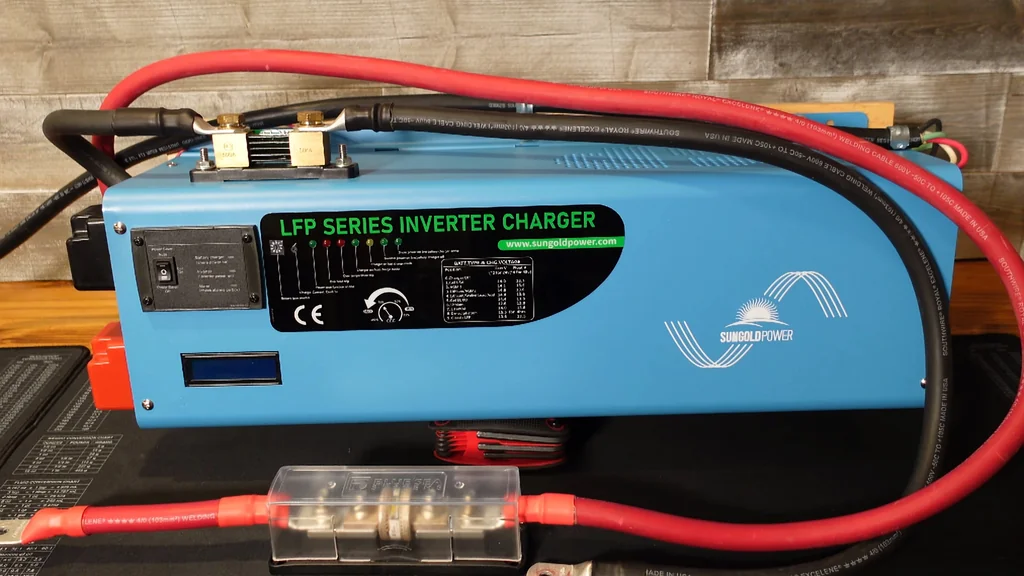
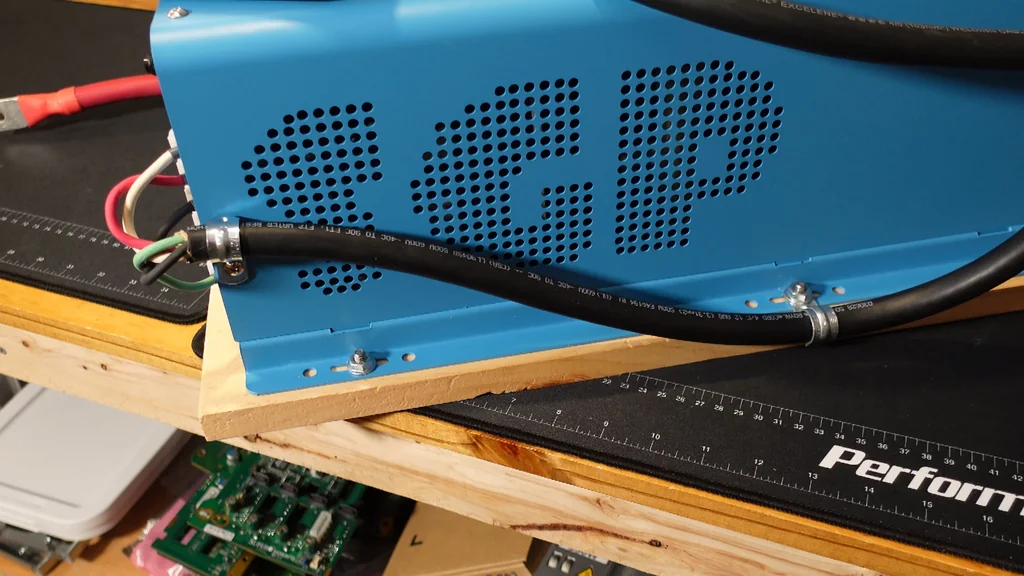
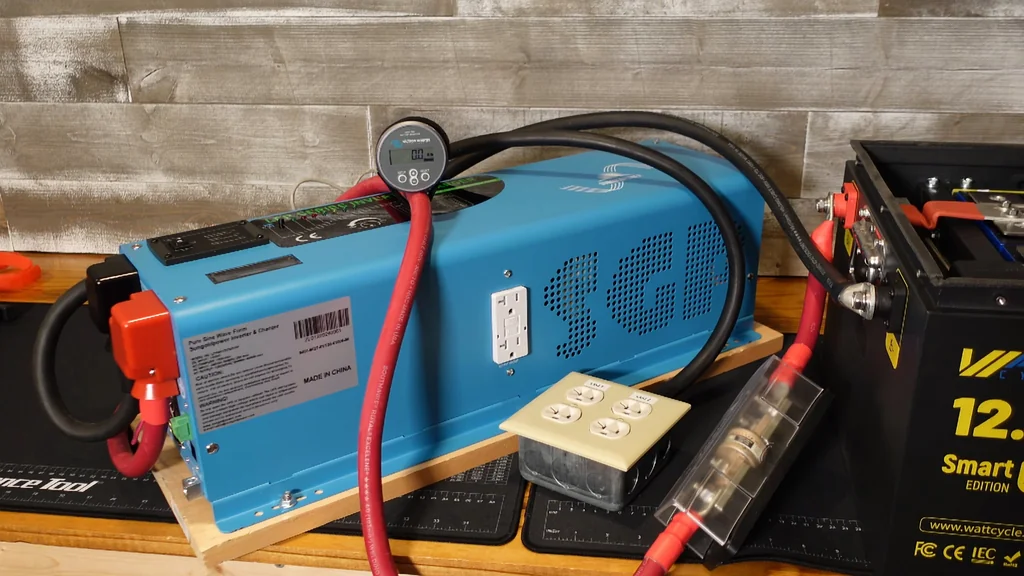
After dealing with some cheap inverters that kept dying on me, I switched to a 4000W split-phase low-frequency unit from SunGoldPower. These heavy-duty inverters are built to run at full rated capacity without shutting down or melting. It's the perfect load source for testing what this 628Ah battery can really do.
Evaluating Inverter Voltage Cutoff and System Losses
This inverter has a 10V low-voltage cutoff, which matters when you're pulling serious current. Cable resistance and voltage sag can drop the system below that threshold before the battery's own BMS even kicks in. So the inverter might shut down first. This gives us a realistic picture of how the whole system behaves under heavy load, not just the battery in isolation.
Initial 245A Discharge Test Performance
Started with a 245A discharge on a full battery. The Victron display tracks the output while the BMS keeps an eye on internal temps. After 30 minutes, the MOSFET sensor is at 130°F — warm, but totally manageable. The internals are handling the heat fine at this current level.
Thermal Inspection of Battery Terminals and BMS
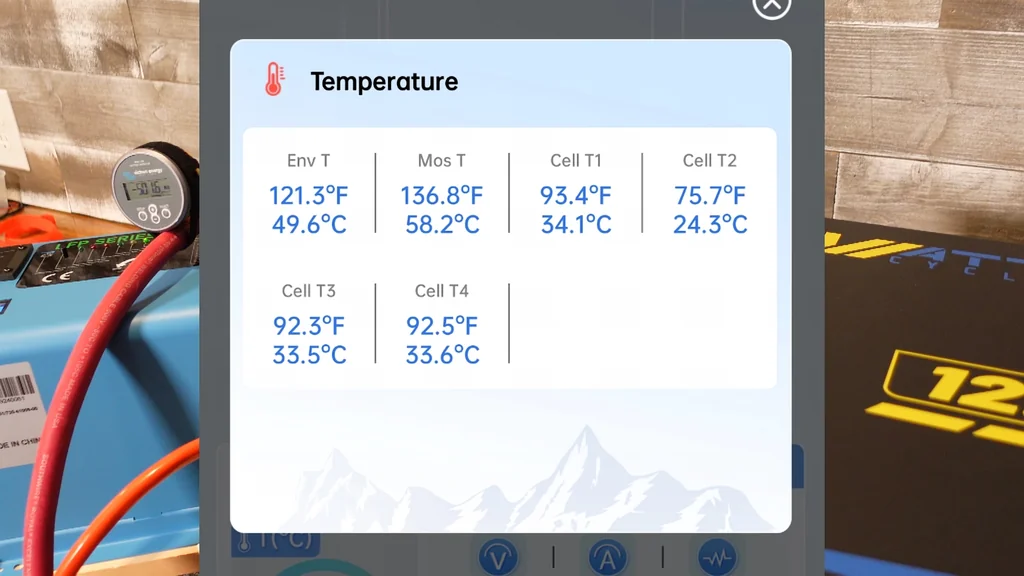
The heat is concentrated near the front of the battery where the BMS sits. MOSFET sensor reads 137°F, the main negative terminal is at 116°F, and the positive lead is slightly cooler at 112°F. That tells me the connections are solid — no excessive resistance creating hot spots. These readings matter because a bad connection under high current turns into a meltdown real quick.
Pushing the Battery to a 300A Continuous Discharge
Next test pushes it to 298A — right at the edge of what this battery is rated for. After an hour, the MOSFET sensor climbs to 156°F and the environmental sensor hits 134°F. The battery holds this load for the full hour without issues, which is pretty impressive for a 12V setup.
Analyzing BMS Over-Current Protection Behavior
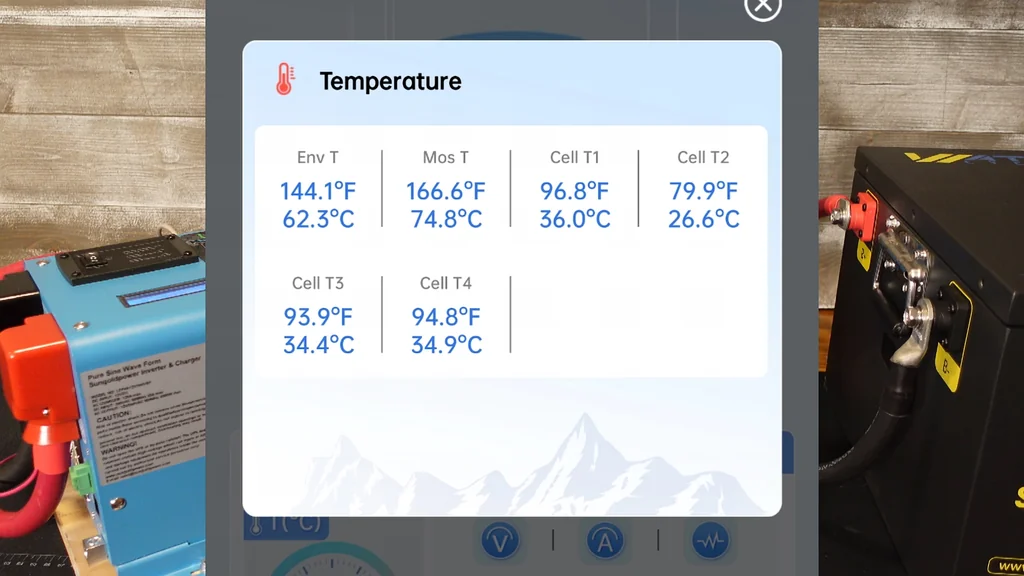
As the battery voltage drops, the current naturally creeps up to maintain the same power output. Eventually it hits 310A and the BMS over-current protection trips. At that point, the MOSFET sensor is at 168°F and the environmental sensor is at 148°F. The BMS didn't trip at the programmed 140°F, but the manufacturer says these temps are still within safe operating range for the components.
Verifying Over-Temperature Protection with Heat Gun
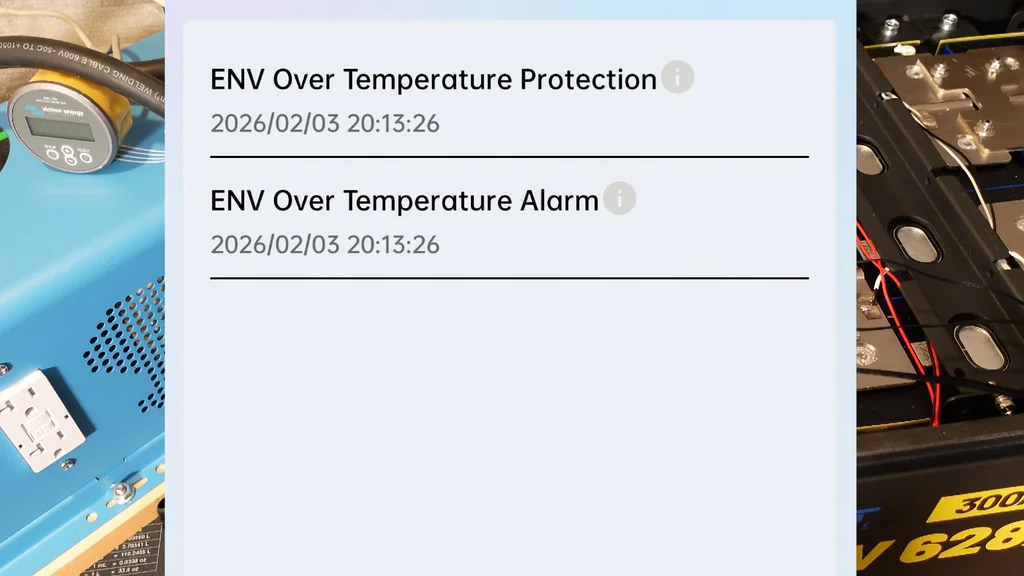
To make sure the BMS safety logic actually works, I used an industrial heat gun to warm up the T2 sensor manually. The system responded exactly how it should — triggering both charge and discharge over-temperature alarms at 153°F. That confirms the protection features are live and will shut things down if the battery ever gets too hot in real-world use.
Final Assessment of Battery Load Capacity
Bottom line: this 628Ah battery handles a 300A continuous discharge without breaking a sweat. That said, if you're regularly pulling that kind of current, you'd probably be better off with a 24V or 48V system to cut down on cable losses and stress. But for a 12V setup, this battery delivers solid performance and the safety features do their job.
⚠️ CAUTION: SAFETY WARNING!
Lithium batteries pack a serious punch. Use properly rated cables and make sure every connection is tight — a loose connection under high current generates heat fast and can lead to thermal runaway.
Summary & Tips
The WattCycle 628Ah battery holds up well under a 300A continuous load. The BMS manages temps properly and the protection features trigger when they should. If you're running high-demand equipment, this battery is up to the task — just make sure your system design accounts for the current levels you're working with.
📋 FAQ
❓ Can this battery handle 300A continuously?
Yeah, the test showed it can hold that load for an hour while staying within safe temps for the internal components.
❓ Why did the BMS trip at 310A instead of 300A?
As the voltage drops during discharge, the current spikes to maintain the same power output. That's what pushed it past the over-current threshold.
❓ Is it safe to run a 12V system at 300A?
It works, but you'd be better off with 24V or 48V for that kind of current. Higher voltage means lower current, which reduces cable losses and overall stress on the system.
❓ How do I know if the BMS protection is working?
You can test the sensors manually with a heat gun to see if the alarms trigger. It's a good way to verify the safety logic before putting the battery into service.
Disclaimer: I purchased all tools for this guide with my own money to ensure an unbiased review. This post contains affiliate links, meaning I earn a small commission if you make a purchase at no extra cost to you.