Champion’s 2500-watt inverter generator hits a sweet spot for portable emergency power, delivering 1,850 running watts at under 39 pounds. Running sensitive electronics requires clean pure sine wave power, and this unit packages that capability alongside a digital load display and built-in fuel gauge.
⚡ Quick Guide: How to Make It in 15 Steps
- Unscrew the side panel turn-knobs to inspect engine.
- Pour the supplied bottle of four-stroke oil completely.
- Fill gas tank and open fuel cap vent.
- Turn start switch to choke and pull start.
- Monitor Intelligage display for voltage, frequency, and runtime.
- Toggle Eco switch to reduce engine sound profile.
- Connect 1500W resistive heater to test load bars.
- Increase heater output to observe maximum generator capacity.
- Review rated starting and running wattage specification labels.
- Measure sound pressure levels from 25 feet away.
- Run heavy extension cord to manual home transfer switch. f
- Flip selected emergency home circuits to generator power.
- Verify sub-20% electrical load on Intelligage display readout.
- Switch home circuits back to main utility line.
- Drain carburetor bowl using dedicated run-dry switch position.
📋 In This Article
- Technical Specifications & Components
- Tools & Materials Used — what this project requires
- Removing Side Access Panel Tool-Free
- Adding Engine Oil with Included Funnel
- Fueling the Tank and Vent Operation
- Initial Recoil Start and Digital Gauge Audit
- Testing Eco Mode and Front Panel Outlets
- Applying 1500-Watt Load Test
- Pushing Load Capacity to High Output
- Evaluating Packaging Specifications
- Decibel Noise Test at 25 Feet
- Connecting Extension Cable to Home Transfer Panel
- Switching Circuits to Generator Power
- Auditing Generator Load During Household Back-up
- Disconnecting Transfer Switch and Reverting to Utility
- Draining Carburetor Bowl via Shut-Off Switch
- Final Value Assessment and Price Review
- FAQ
📊 Technical Specifications & Components
| Starting Wattage | 2,500 W |
| Running Wattage | 1,850 W |
| Dry Weight | 39 lbs (17.7 kg) |
| Engine Type | 4-Stroke OHV |
| Rated AC Voltage | 120V AC @ 60Hz |
| DC Output | 12V DC Port |
| Rated Noise Level | 53 dBA @ 23 ft |
| Run Time | Up to 11.5 hours @ 25% load |
| Display Interface | Digital Intelligage (V, Hz, Runtime) |
| Engine Shutdown Feature | Fuel Shut-Off / Carburetor Drain Mode |
📊 Project Overview & Costs
🔧 Difficulty Level: Easy
⏱️ Time Investment: DIY: 20 minutes | Pro: 10 minutes
💰 Setup Cost: $0 (DIY unboxing and oil fill) $0 (DIY setup)
💡 Verdict: Initial setup requires basic fluid filling and dial operation, eliminating contractor fees.
🛠️ Tools & Materials Used
• Champion 2500-Watt Inverter Generator
• Four-Stroke Engine Oil & Oil Funnel
• Unleaded Gasoline
• Digital Sound Decibel Meter
• Heavy-Duty 10-Gauge Extension Cord
• 1500W Electric Space Heater
• Manual Transfer Switch Panel
Champion 2500-Watt Inverter Generator: Real-World Testing & Results
Removing Side Access Panel Tool-Free
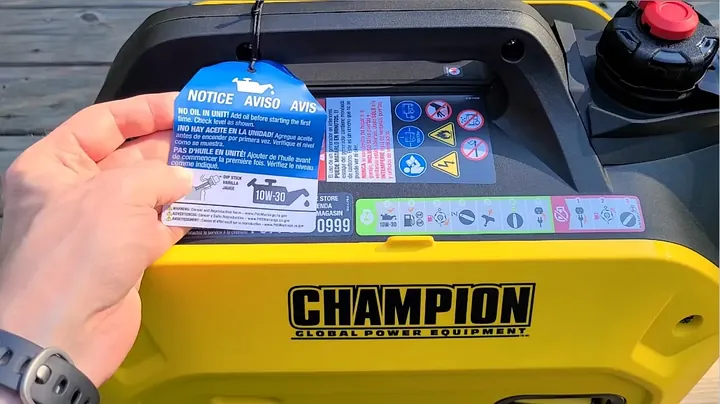
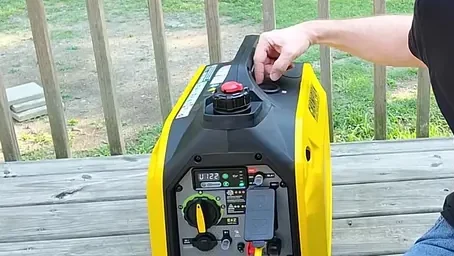
Opening the carton revealed a portable machine weighing right at 39 pounds. Accessing the internal components proved straightforward compared to legacy units requiring screwdrivers. Champion installed toolless quarter-turn fasteners on both sides of the hatch. I rotated both knobs counterclockwise to release tension and pulled the cover away from the chassis. The panel detached cleanly. Inside, yellow warning labels highlighted the dry factory crankcase state.
Adding Engine Oil with Included Funnel
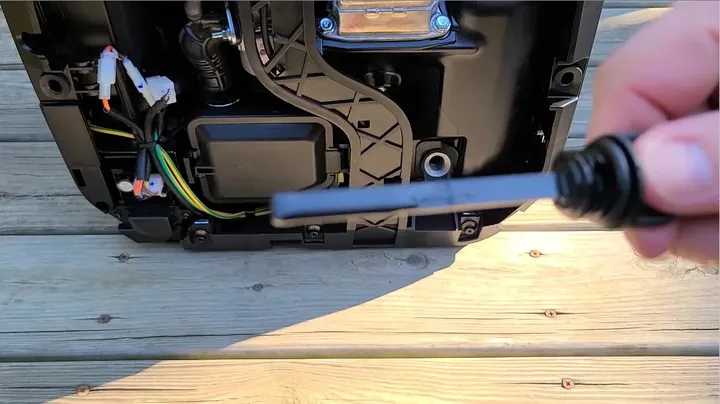
I avoided pulling the recoil cord before filling the sump. Champion supplies an angled plastic funnel matching the fill port located under the dipstick. I unscrewed the yellow dipstick plug and pushed the funnel spout into the opening. I poured the provided bottle of four-stroke oil until fluid reached the threads. The procedure took seconds. I seated the dipstick, aligned the maintenance hatch with its locating tabs, and secured the locking fasteners.
Fueling the Tank and Vent Operation
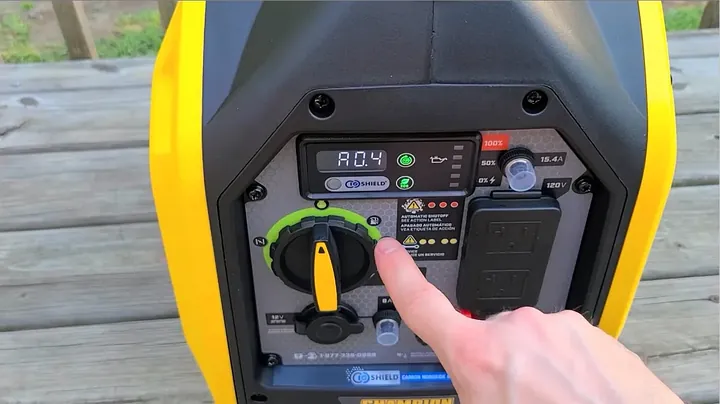
I removed the upper fuel cap and filled the reservoir with fresh gasoline. A mechanical float gauge sits adjacent to the neck. That gauge beats peering into dark tanks with handheld lights. I tightened the cap and flipped the tank vent lever to open. The front control knob handles fuel shutoff, choke, and ignition duties. I turned the selector past run straight into the choke detent.
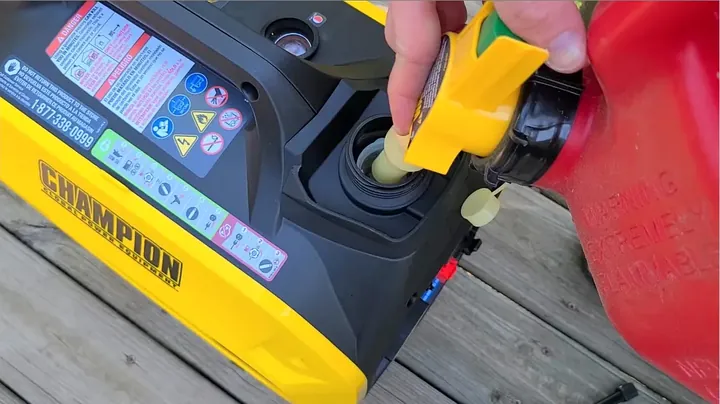
Initial Recoil Start and Digital Gauge Audit
I gripped the starter handle and pulled once. The engine caught immediately. Good startup behavior. I rotated the dial to the run position to open the choke plate. The digital Intelligage screen booted up. Cycling parameters showed 120 volts output, 60 hertz frequency, session time, and cumulative run hours. It functioned properly.
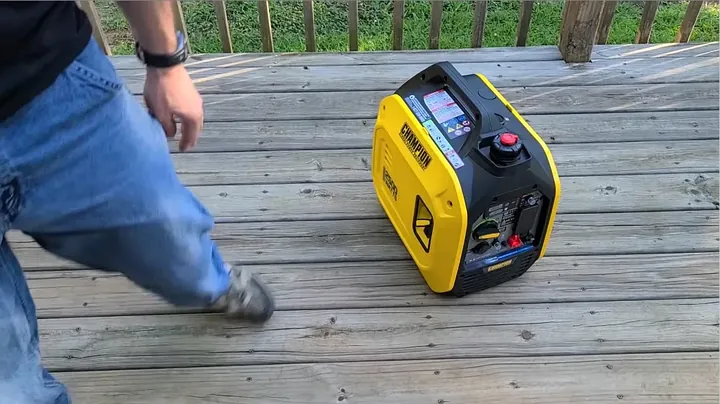
Testing Eco Mode and Front Panel Outlets
Two 120-volt receptacles feature spring-loaded rubber covers. A 12-volt DC port and parallel jacks sit nearby. I switched the Eco Mode toggle down, reducing engine speed at light load. Deactivating Eco Mode caused the mechanical governor to increase RPM. Engaging it again dropped acoustic output. Volume decreased.
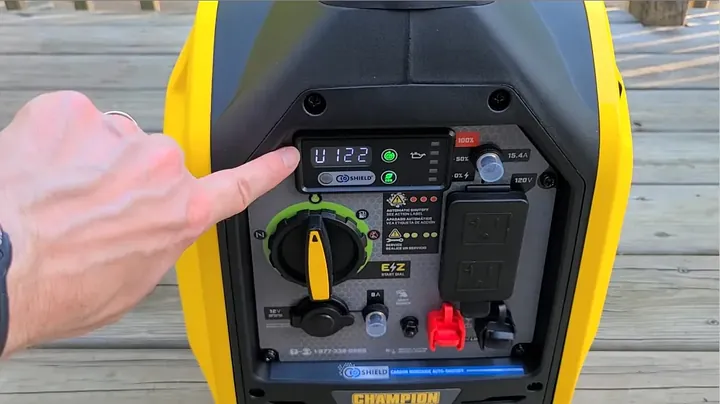
Applying 1500-Watt Load Test
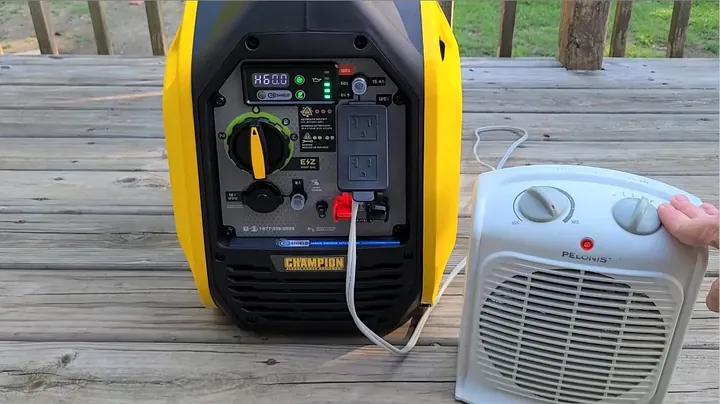
I connected an electric space heater to test power delivery. An LED load indicator on the panel displays tiers up to maximum capacity. I set the heater to medium, drawing roughly 1,000 watts. The engine governor adjusted pitch to match demand. Initial green indicator LEDs illuminated.
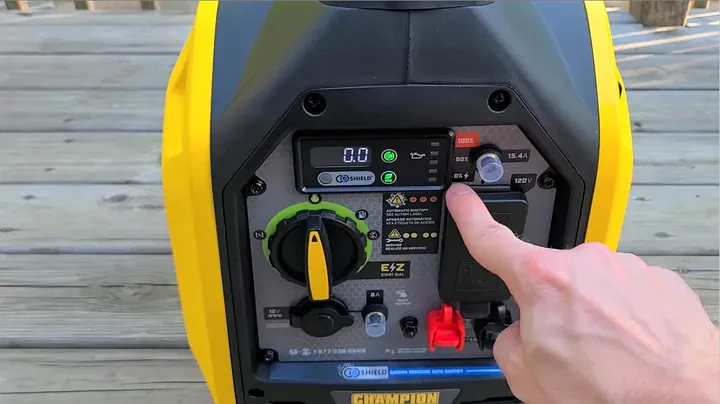
Pushing Load Capacity to High Output
I turned the heater dial to maximum, placing a 1,500-watt load on the inverter. The exhaust note deepened under increased torque. Three green LEDs stayed lit, leaving two margin bars before overload status. Visual load monitoring helps to prevent breaker trips. Output remained stable.
Evaluating Packaging Specifications
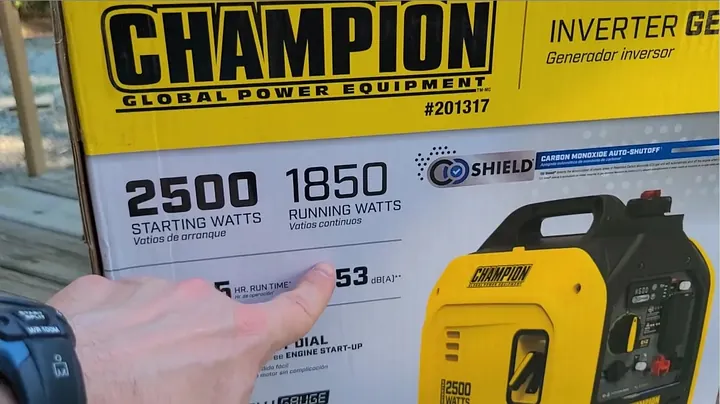
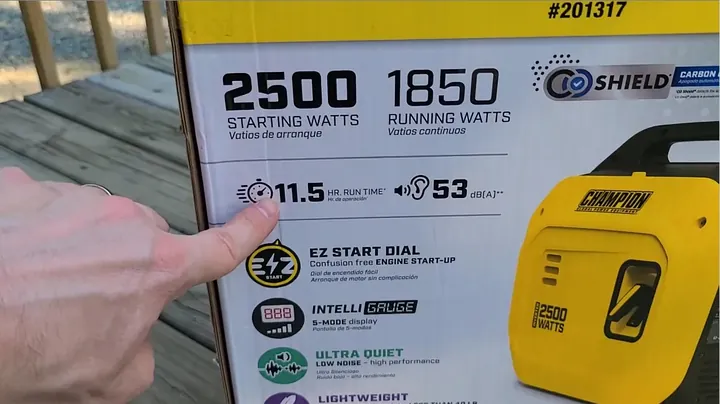
The carton ratings match performance metrics: 2,500 surge watts and 1,850 continuous running watts. The 1.1-gallon tank provides 11.5 hours runtime at 25% load in Eco Mode. Sound rating is specified at 53 decibels from 23 feet. The manufacturer includes a three-year limited warranty. Coverage is adequate.
Decibel Noise Test at 25 Feet
I placed a sound meter 25 feet away for testing. With Eco Mode off at full throttle, ambient level measured 61 dBA. Activating Eco Mode lowered pressure to 54 dBA. Indoor placement masks noise entirely. Sound output is minimal. Neighbors won't complain.
Connecting Extension Cable to Home Transfer Panel
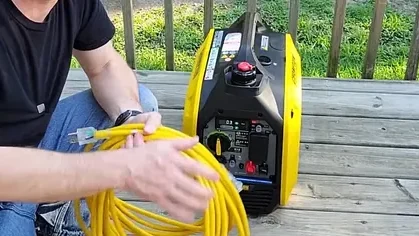
Emergency backup setup requires running a 10-gauge cord inside from the generator. A manual transfer switch panel is mounted above the main breaker box. This disconnects critical circuits from the utility grid. Four designated lines power the refrigerator, freezer, lights, and router. Cable routing is straightforward.
Switching Circuits to Generator Power
The transfer switch has line, off, and generator positions. I moved each circuit toggle from line through off to the generator setting. Circuits switched. This action isolates household wiring from utility lines and routes external power from the cord.
Auditing Generator Load During Household Back-up
With all four circuits energized and the freezer running, checking the generator exterior showed minimal load. The Intelligage meter displayed a single green bar indicating roughly 20% capacity utilization. Essential loads draw very little current. Real-time feedback removes guesswork during outages. Load level remains low.
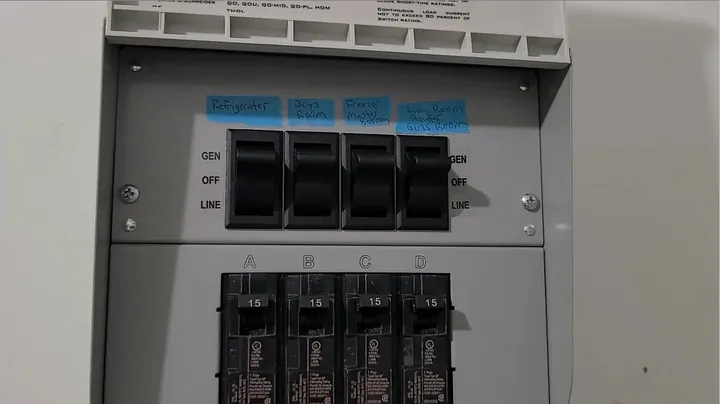
Disconnecting Transfer Switch and Reverting to Utility
I reversed the process to restore grid power, moving each transfer switch back to the line position. Grid restored. I unplugged the supply cable and closed the inlet flap. The generator load indicator dropped to zero bars.
Draining Carburetor Bowl via Shut-Off Switch
Proper shutdown prevents stale fuel from gumming carburetor jets. Champion provides a dedicated fuel drain setting on the control dial. Rotating the knob to the drain symbol cuts tank supply while keeping ignition active. The motor consumed remaining fuel in the float bowl. The engine ran for 3 minutes and 35 seconds before stalling. I switched the dial off.
Final Value Assessment and Price Review
Priced under $500, this inverter delivers solid utility per dollar. Its light footprint, digital gauge, and float drain feature compete well against costly alternatives. Value is apparent. It powered essential circuits while maintaining low decibel levels.
⚠️ CAUTION: SAFETY WARNING!
Never operate gas generators indoors or inside attached garages due to lethal carbon monoxide accumulation. Always run outdoor units downwind away from open windows and doors using heavy-duty outdoor-rated extension cables.
Summary & Tips
The Champion 2500-watt inverter generator provides reliable portable power. Its 39-pound weight permits easy transport. Draining the carburetor bowl prevents fuel varnish during storage periods. It's a capable and quiet emergency power source.
📋 FAQ
❓ Can this generator run a home refrigerator during an outage?
Yes. Standard refrigerators consume 100 to 400 running watts, remaining well below the 1,850-watt limit. Testing demonstrated simultaneous operation of four circuits below 20% capacity.
❓ Why is the fuel shut-off position on the dial important?
It prevents carburetor gumming. Selecting the drain setting starves the engine of fuel from the tank while consuming bowl contents. This eliminates varnish build up in jets during storage.
❓ How noisy is this unit when running in Eco Mode?
Sound measurement at 25 feet recorded 54 dBA with Eco Mode engaged. Interior placement with closed windows renders the motor inaudible.
❓ Does this generator produce safe power for laptop computers and phones?
Yes. Inverter technology delivers stable pure sine wave output. Unlike conventional frame generators, inverters maintain precise voltage and frequency regulation for sensitive electronics.
Disclaimer: I purchased all tools for this guide with my own money to ensure an unbiased review. This post contains affiliate links, meaning I earn a small commission if you make a purchase at no extra cost to you.