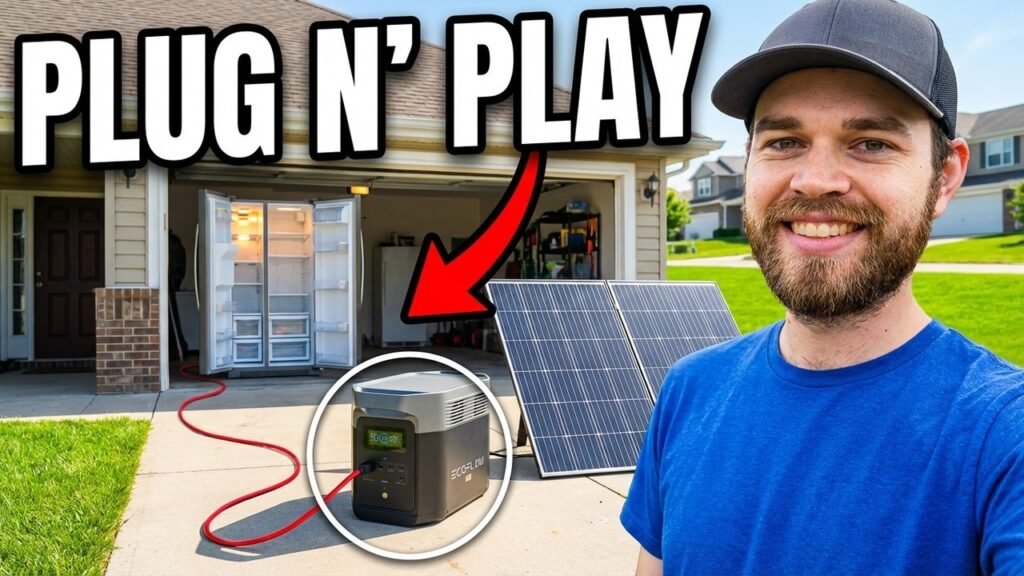
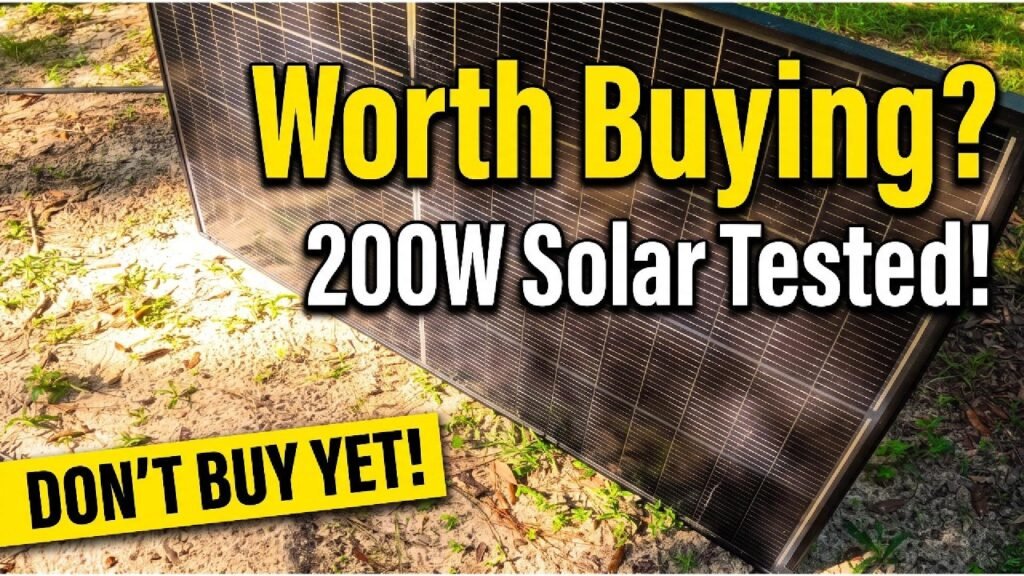
If you’ve got a portable power station, you’ve probably run into the same frustrating wall I have: most of them cap out at 60 volts on the solar input. That limit makes it a real pain to pair them with standard high-voltage glass panels. These 275W bifacial panels from CallSun sidestep that problem entirely by keeping the voltage in range while pushing serious amperage. With two of them wired up, you’re looking at a 550W array that plays nice with just about any power station on the market — even when conditions get rough.
⚡ Quick Guide: How to Complete the Project
📋 In This Article
- Technical Specifications & Components
- Tools & Materials Used — what you will need for this project
- Addressing the 60V Solar Input Limitation
- Unboxing and Inspecting Glass Solar Panels
- Reviewing Solar Panel Technical Specifications
- Analyzing Bifacial Solar Panel Construction
- Comparing Panel Dimensions and Backside Coatings
- Testing Open Circuit Voltage (VOC)
- Evaluating Real-World Solar Output
- Planning Future Cold Weather Performance Tests
- Testing Anti-Shading Technology
- Measuring Partial Shade Impact on Output
- Analyzing Horizontal Split Performance
- Conducting Natural Shade Tests
- Comparing Pricing and Value
- Community Feedback and Considerations
- Final Resources and Channel Support
- FAQ
📊 Technical Specifications & Components
| Panel Power | 275W |
| VMP | 21.29V |
| IMP | 12.92A |
| VOC | 25.26V |
| ISC | 13.69A |
| Cell Type | N-type half-cut |
📊 Project Overview & Costs
🔧 Difficulty Level: Easy
⏱️ Time Investment: DIY: 30 minutes | Pro: 15 minutes
💰 Professional Service Cost: $500 - $600
💡 Verdict: You're saving serious money compared to branded portable solar kits that pump out less power for more cash.
🛠️ Tools & Materials Used
• MC4 disconnect tools
Step-by-Step Assembly, Repair, Testing & Inspection
Addressing the 60V Solar Input Limitation
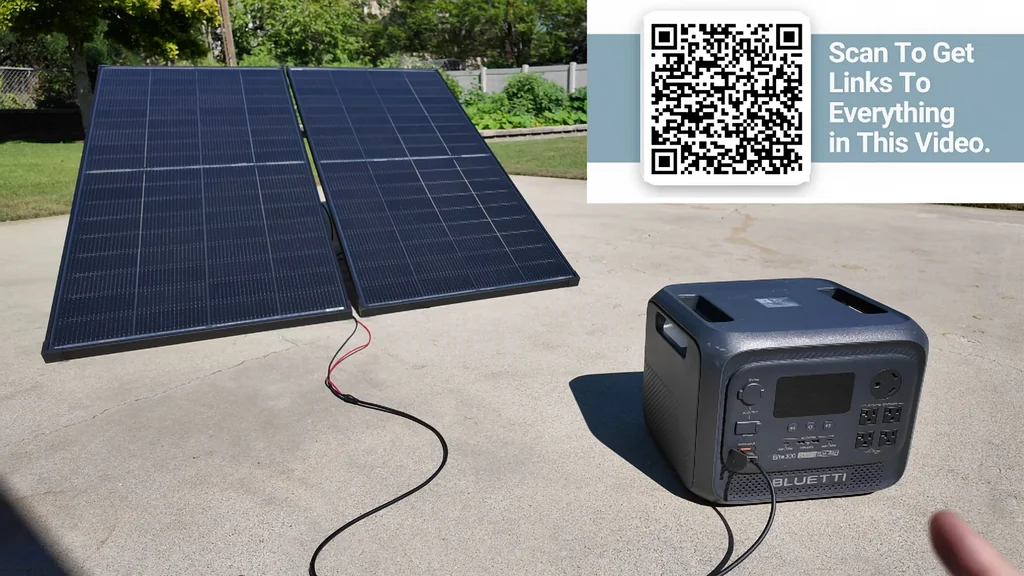
Here's the thing about portable power stations — they almost all have that annoying 60V solar input ceiling. It's a bottleneck when you're trying to scale up your array. You wire two standard 24V panels in series and suddenly the station won't accept the charge. These 275W bifacial panels are built specifically to work around that limit. The voltage stays in the safe zone while the amperage does the heavy lifting. Simple fix, big results.
Unboxing and Inspecting Glass Solar Panels
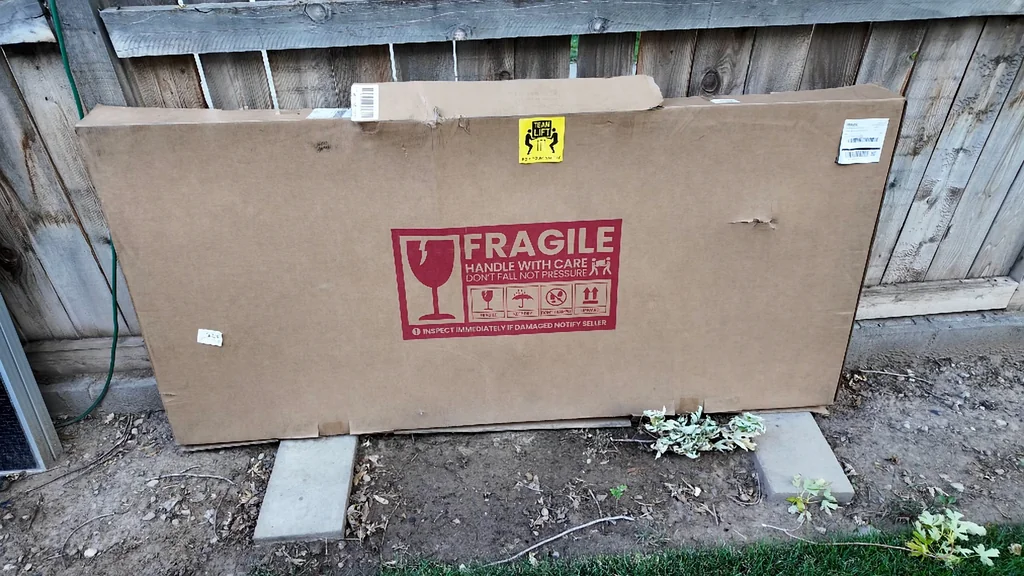
Shipping big glass panels always makes me nervous. But these showed up with protective foam on the backside, which makes a huge difference during transit. The packaging is solid — panels aren't rattling around in the box. If the manufacturer puts this much care into packing, you can probably trust them with the actual product too.
Reviewing Solar Panel Technical Specifications
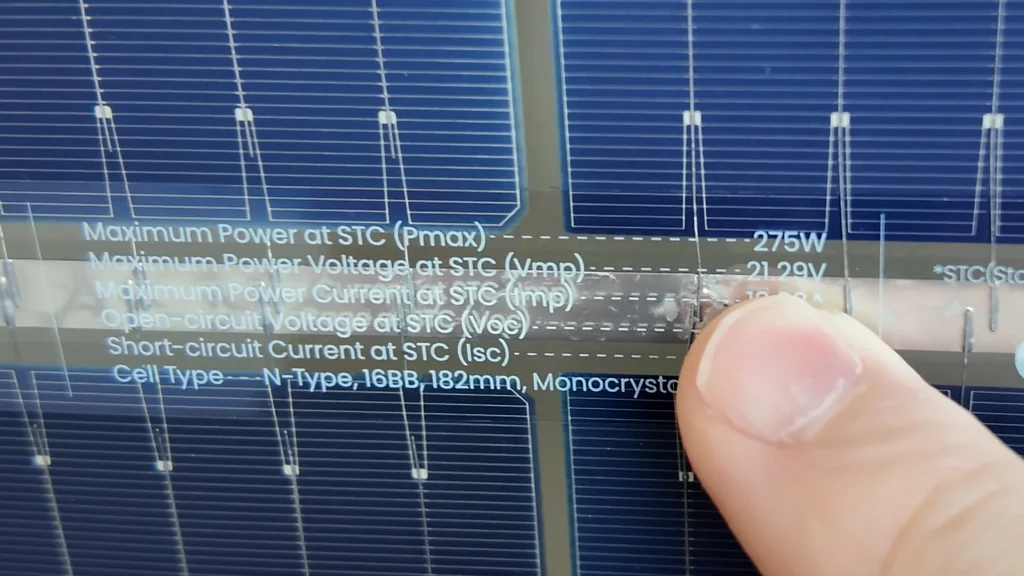
The specs on paper look great. VMP sitting at 21.29V with an IMP of 12.92A. VOC is 25.26V and short circuit current is 13.69A. These are N-type half-cut cells with 16 bus bars. That's a serious build — not some budget-tier junk that's going to underperform the moment the sun dips behind a cloud.
Analyzing Bifacial Solar Panel Construction
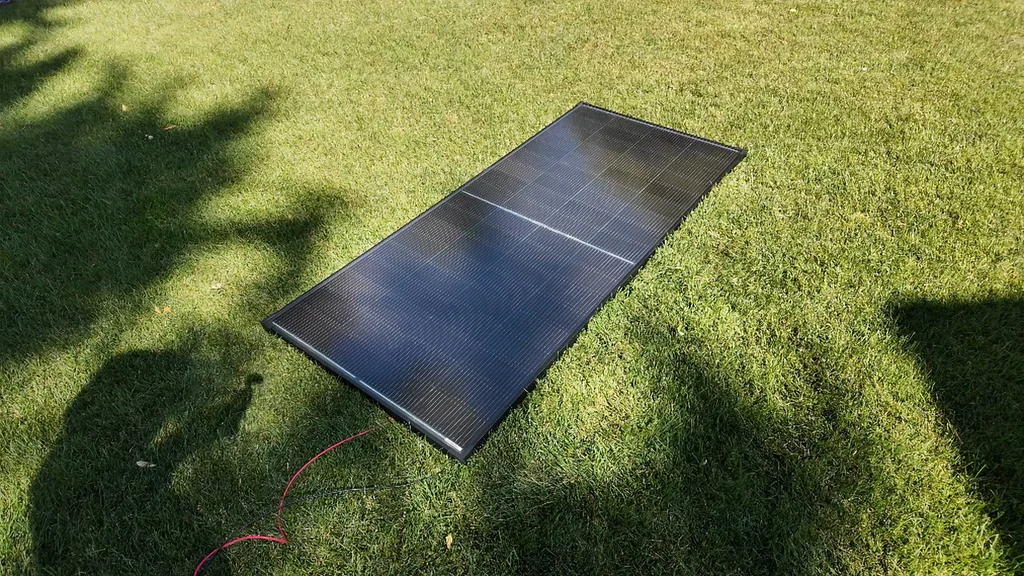
These panels are designed to produce more than their rated output, especially in cold weather. The bifacial gain isn't just marketing fluff — it's a real benefit when you've got snow on the ground reflecting light back up. The bus bar layout is clean, no visible defects or sloppy soldering. They share the same design language as the smaller 200W panels I've tested before. Same width, just taller. The backside uses a specialized coating instead of glass, which keeps the weight down without sacrificing durability.
Comparing Panel Dimensions and Backside Coatings
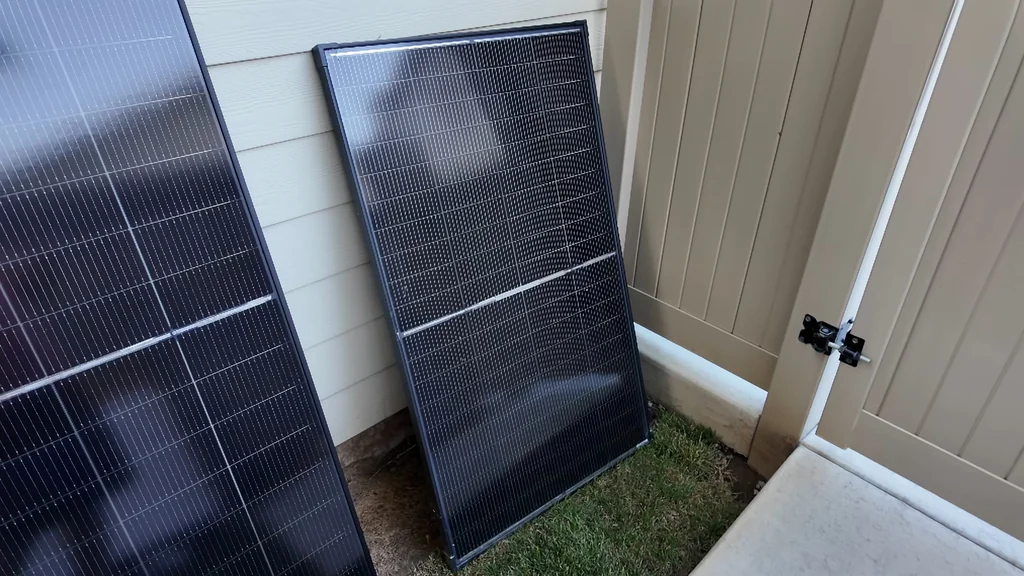
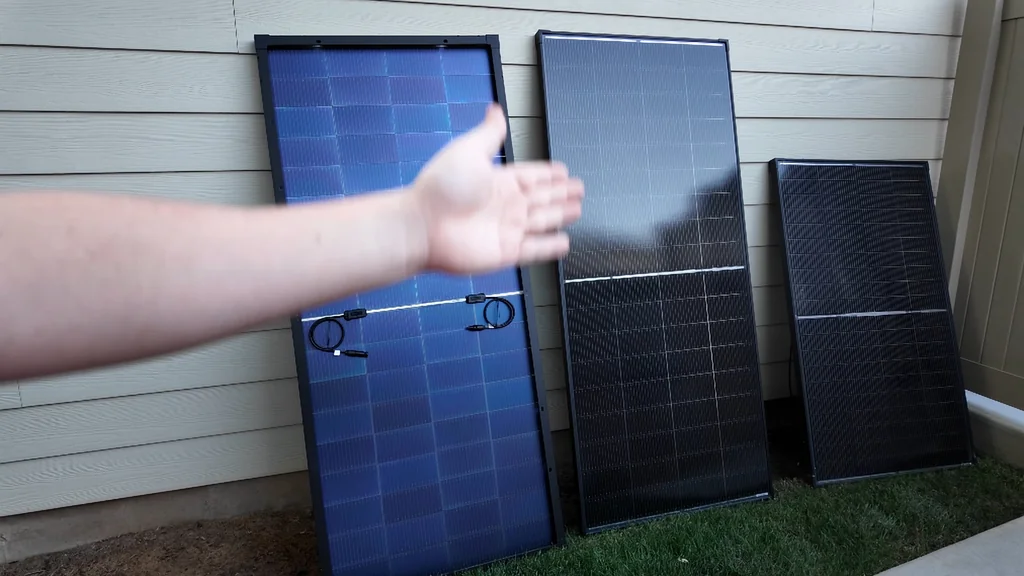
When you set these next to the 200W models, the width matches up perfectly. That's super convenient for storage and transport — you can stack them without weird gaps. The backside coating is standard for this class of panel. Lightweight, tough, and doesn't add unnecessary bulk.
Testing Open Circuit Voltage (VOC)
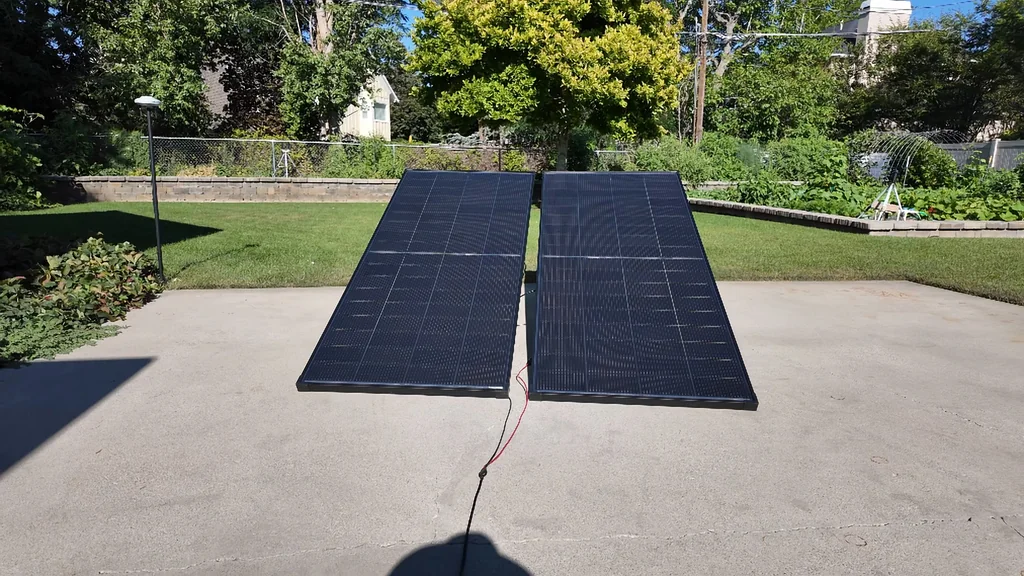
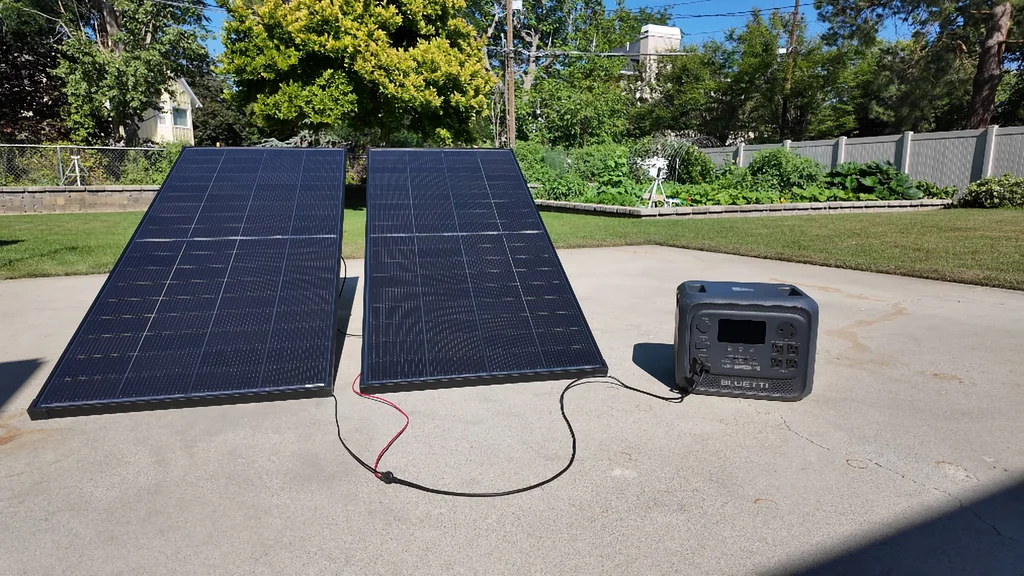
With both panels wired in series, the multimeter reads 51.1V. That's comfortably within the 60V limit most portable stations have. The gaps between the cells are a nice touch too — light passes through them to the backside, boosting the bifacial effect. It's a smart design choice that actually matters in practice.
Evaluating Real-World Solar Output
Even in 105-degree heat, the output is impressive. I'm seeing around 478W of input on the power station display. That's only 75W below the rated capacity on a scorching hot day. For these conditions, that's a solid result — most panels drop way more when the temps climb this high.
Planning Future Cold Weather Performance Tests
These panels have already proven themselves in cold weather tests with snow on the ground. The bifacial gain really kicks in when the environment is cold and reflective — you get light bouncing off the snow and hitting the backside of the panel. I'm looking forward to the next winter test to see just how much extra power we can squeeze out of them.
Testing Anti-Shading Technology
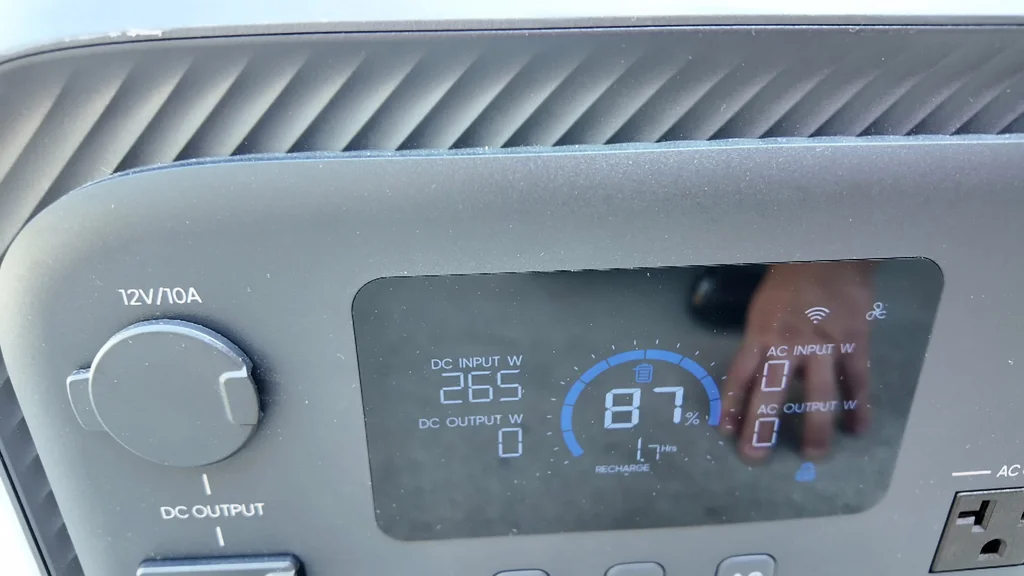
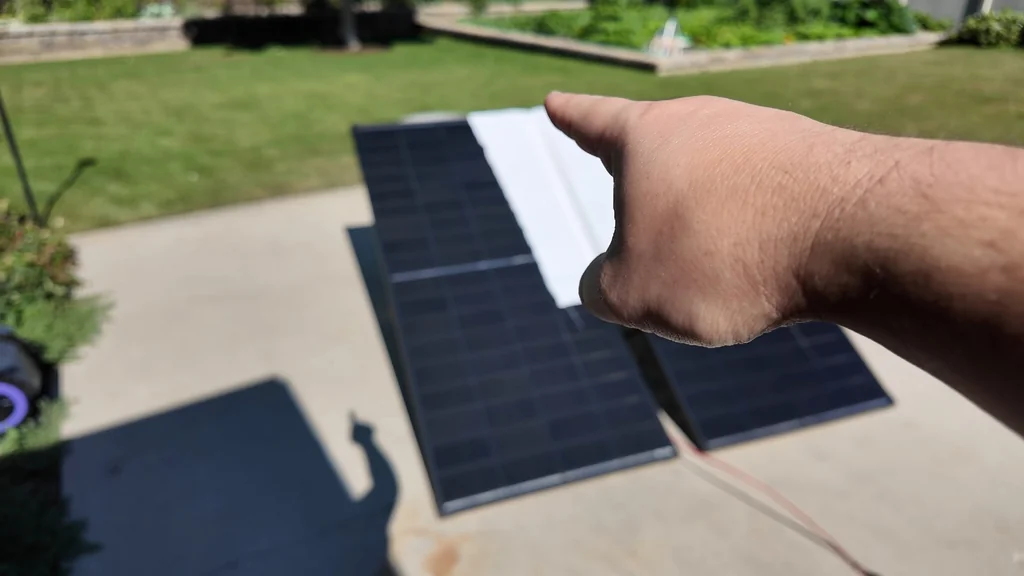
The anti-shading tech actually works. With the panel completely clear, I'm pulling 265W. When I cover the bottom half, output drops to 57W. That's a significant hit, but it's expected — the split design basically turns the panel into two independent sections. One half can keep producing while the other is shaded.
Measuring Partial Shade Impact on Output
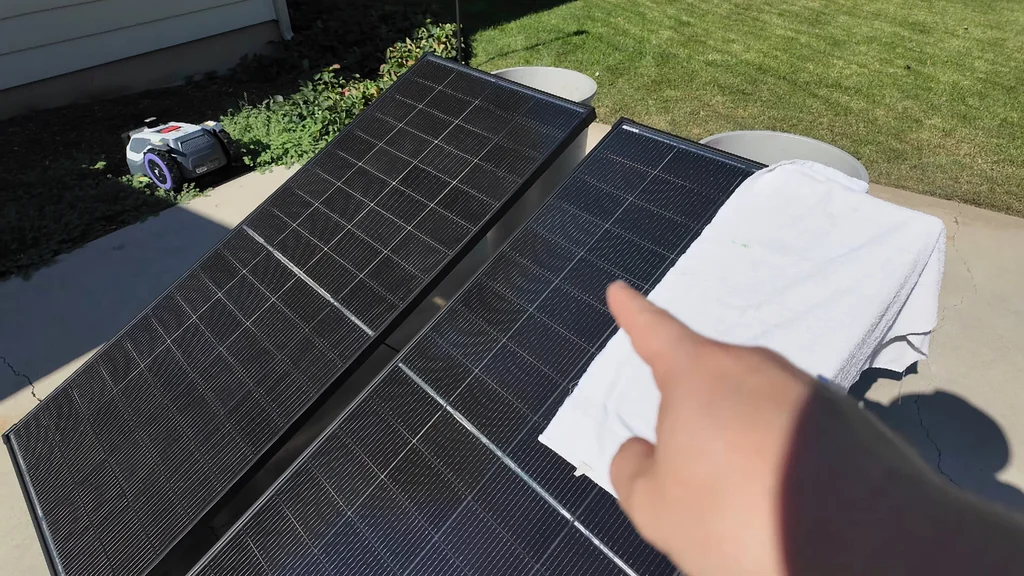
Covering just a quarter of the panel shows how the internal bus bars handle partial shade. After clearing part of the obstruction, the output jumped back up to 323W. The response is quick — no lag, no weird dips. The split design keeps the power flowing even when a corner is in shadow.
Analyzing Horizontal Split Performance
When I cover the horizontal split, both halves take a hit. But even with significant coverage, I'm still seeing 209W coming through. That's better than I expected. The panel is resilient — it doesn't just give up when things get partially blocked.
Conducting Natural Shade Tests
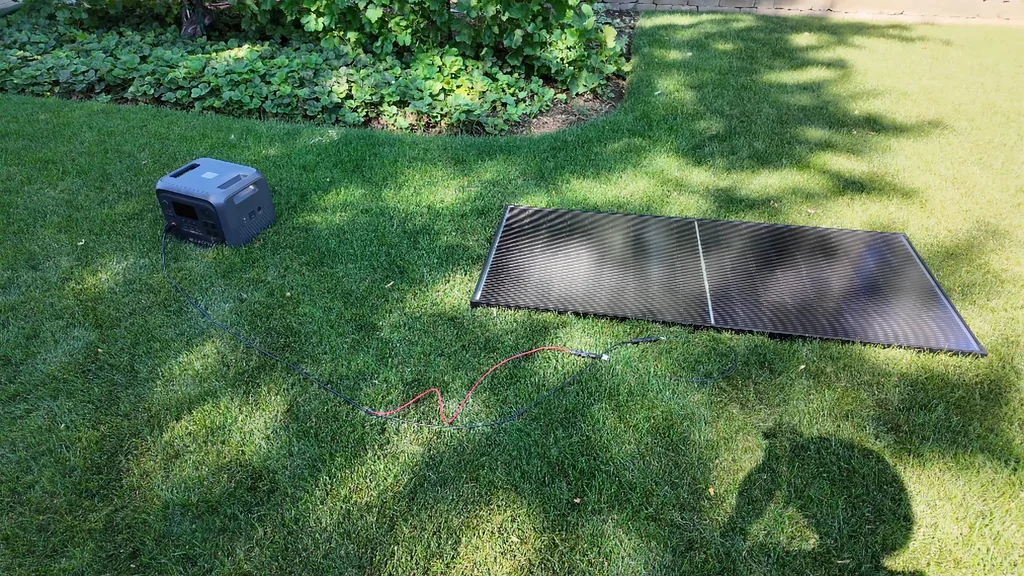
Artificial shade tests are great for controlled data, but natural shade is where the rubber meets the road. A single panel in full sun is producing 225W. That's a solid baseline number. The performance is consistent — no random fluctuations or weird dips that would suggest a connection issue.
Comparing Pricing and Value
The value proposition here is hard to beat. Two 275W panels for under $500 is extremely competitive. Branded alternatives often cost two or three times more while delivering less power. If you're running a 60V limited station and want to max out your solar input, this is a clear win.
Community Feedback and Considerations
If you're running a 60V limited station, these panels are worth a serious look. The community feedback has been positive, and people are always asking about options that actually work with their existing gear. Drop a comment if you've tried these or are thinking about it — it helps everyone make better buying decisions.
I put time-stamped resources in these videos so you can jump straight to the info you need without scrolling through everything. Thanks to all the channel members who keep the testing going. Stay safe out there, and don't overpay for solar gear that doesn't deliver.
⚠️ CAUTION: SAFETY WARNING!
Solar panels generate high voltage even in low light, so handle the connectors with care. Never disconnect under load — you're asking for an electrical arc.
Summary & Tips
These CallSun panels solve the 60V input bottleneck that plagues most portable power stations. They offer excellent power density, solid shade tolerance, and a price that's hard to argue with. The build quality holds up in real-world conditions, and the bifacial design gives you extra headroom when conditions are right. If you're looking to max out your off-grid setup without breaking the bank, these are worth your attention.
📋 FAQ
❓ Will these panels damage my 60V power station?
No, they're designed to stay within the 60V limit when wired in series. Always double-check your specific station's VOC limit first, but this setup is safe.
❓ Can I use these panels in partial shade?
Yeah, the split-cell design helps them maintain output better than standard panels when partially shaded. You'll still see a performance drop, but it's not a total collapse.
❓ Are these panels heavy to move around?
They're surprisingly lightweight for their size. The backside coating instead of glass keeps the weight down without sacrificing durability. Easy to handle solo.
❓ Do I need special cables to connect these?
You'll need MC4 to XT60i connector cables for most portable stations. Check your station's input port type before ordering, but it's a simple connection once you have the right cable.
Disclaimer: I purchased all tools for this guide with my own money to ensure an unbiased review. This post contains affiliate links, meaning I earn a small commission if you make a purchase at no extra cost to you.