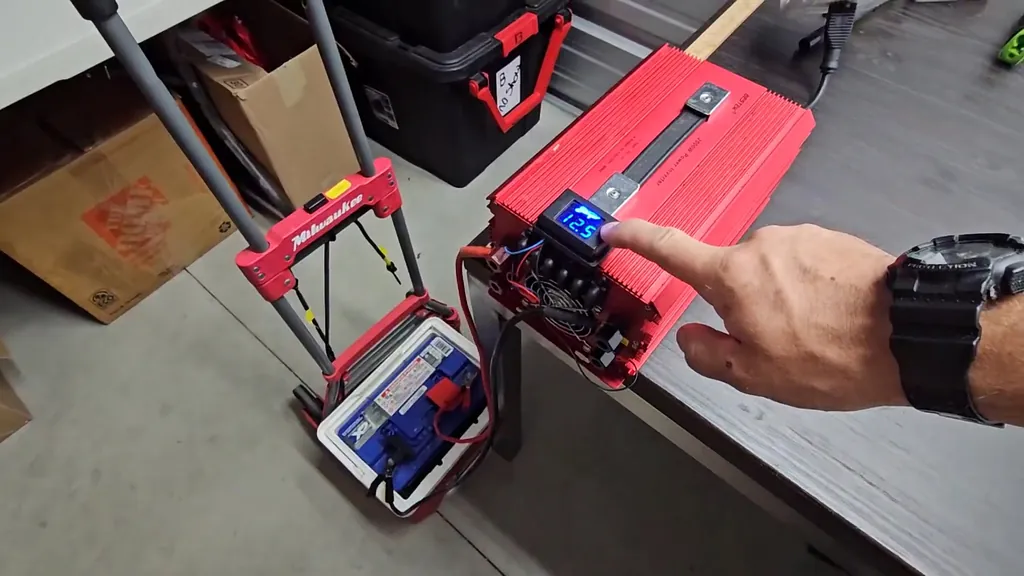
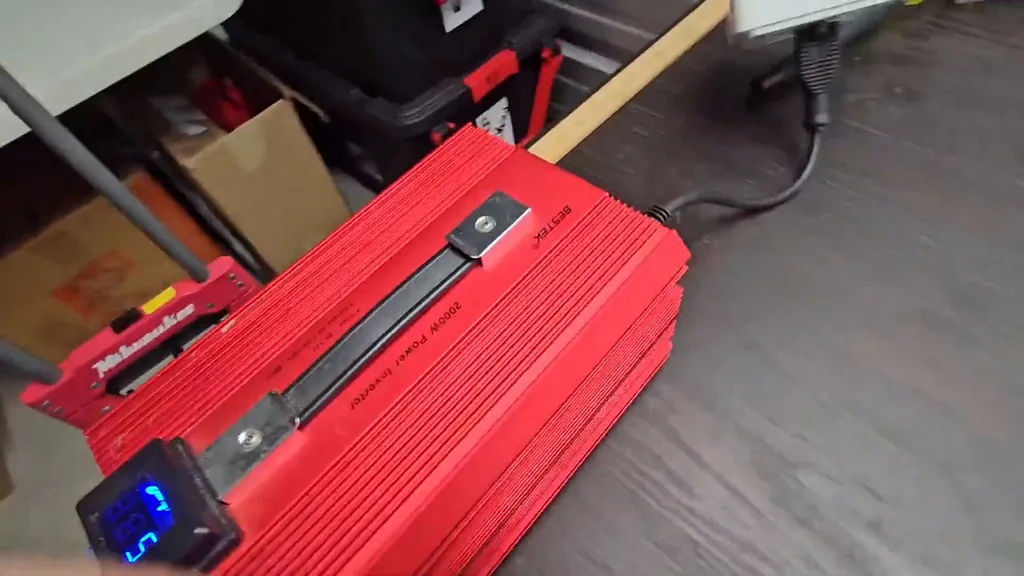
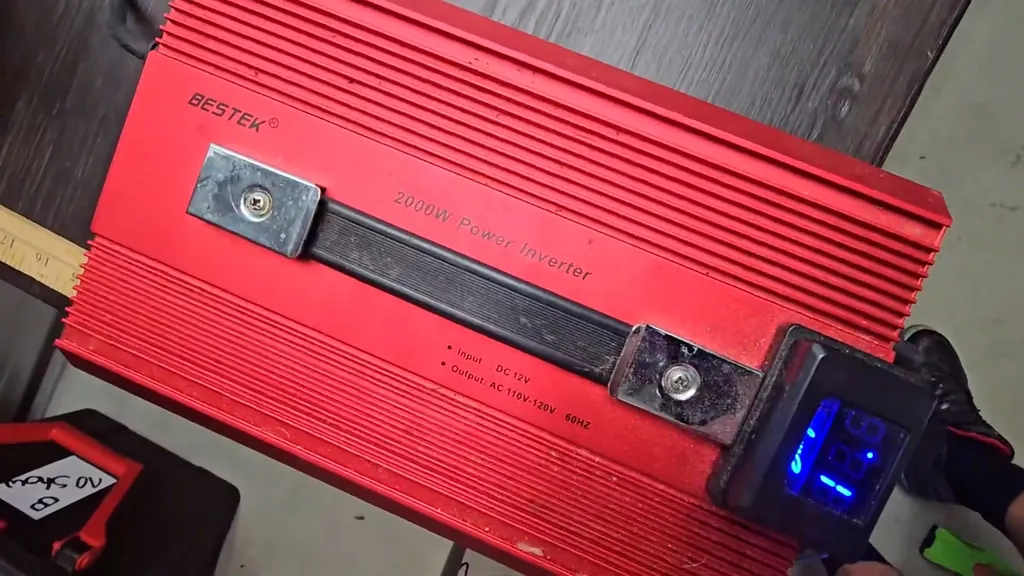
12.5 volts is what I read on my display when I hooked up the Bestek 2000W power inverter to my external battery bank. I’ve put this unit through its paces in several different scenarios, ranging from running heavy shop tools to providing portable lighting for my workspace. It’s a versatile piece of gear for anyone needing reliable AC power away from the grid.
⚡ Quick Guide: How to Make It in 8 Steps
- Verify battery voltage at 12.5V before connecting the inverter.
- Mount the unit and connect power wires to the rear terminals.
- Ensure the ground connection is secure to prevent chassis voltage.
- Inspect the internal fuses for continuity before applying a load.
- Toggle the front-facing power switch to energize the three AC outlets.
- Monitor the external battery voltage display for system health.
- Run heavy loads like table saws or vacuums within the 2000W limit.
- Check the cooling fan operation during continuous high-wattage usage.
📋 In This Article
- Technical Specifications & Components
- Tools & Materials Used — what you will need for this project
- Initial Setup and Battery Monitoring
- Evaluating Output and Connectivity
- Wiring and Grounding the Inverter
- Inspecting the Internal Fuses
- Portable Power for Lighting
- Verifying Voltage and Performance
- Assessing the Portable Setup
- Final Verdict on the Inverter
- FAQ
📊 Technical Specifications & Components
| Rated Power | 2000W |
| Input Voltage | 12V DC |
| Output Voltage | 110V AC |
| AC Outlets | 3 |
| Safety Features | ETL Listed |
| Display | External Battery Voltage Add-on |
📊 Project Overview & Costs
🔧 Difficulty Level: Easy
⏱️ Time Investment: DIY: 10 minutes | Pro: 5 minutes
💰 Professional Service Cost: $150-$200
💡 Verdict: Installing this myself saved me the cost of a professional electrical service call.
🛠️ Tools & Materials Used
• Bestek 2000W Power Inverter
• 12V Deep Cycle Battery
Testing the Bestek 2000W Inverter: Real-World Results
Initial Setup and Battery Monitoring
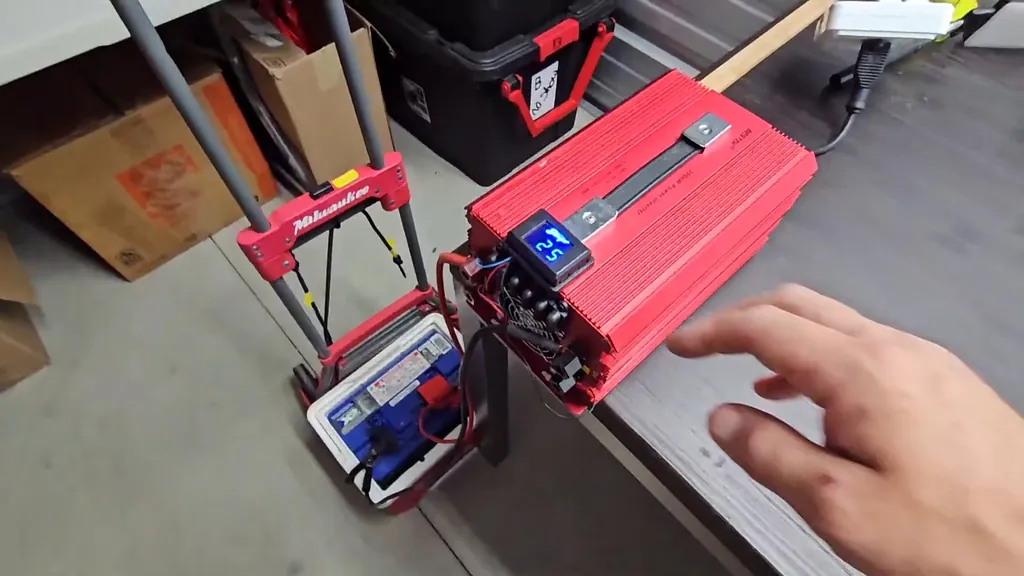
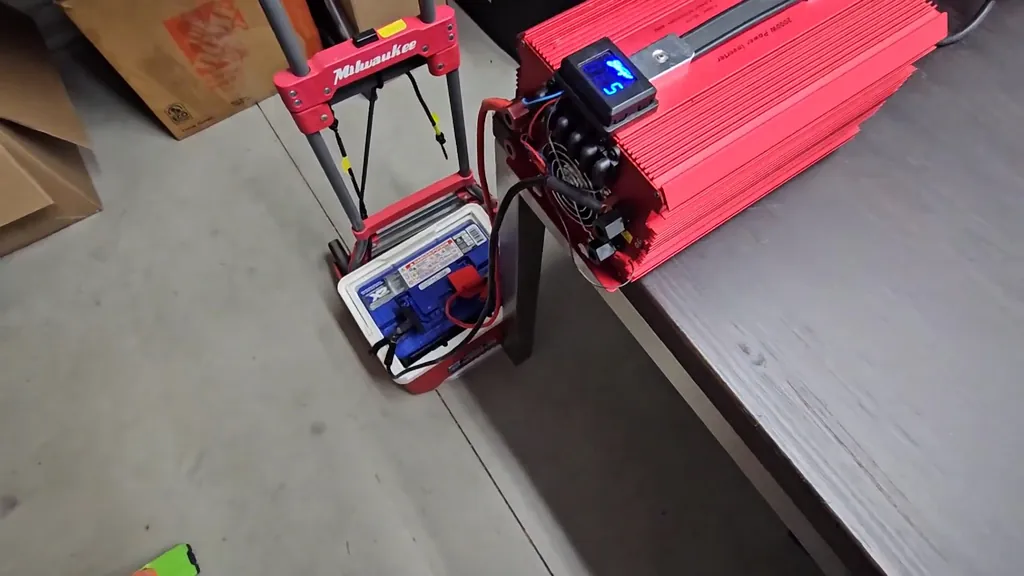
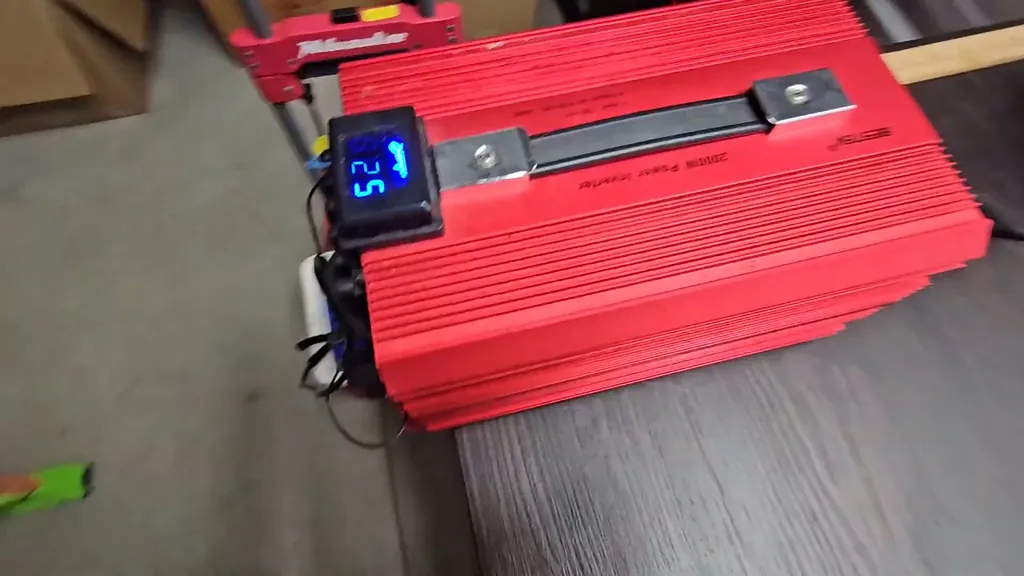
I started by integrating an external voltage display to track my battery levels. This add-on isn't standard equipment, but I found it necessary to keep an eye on my state of charge. Whether I’m pulling power from a vehicle’s electrical system or a standalone battery bank, knowing the exact voltage prevents me from over-discharging the cells. Deep cycle batteries, especially lead-acid types, shouldn't drop below 10.5V to 11V under load, or I risk permanent capacity loss. I’ve used this setup for everything from high-draw vacuums to table saws, and it handles the surge current without complaining.
Evaluating Output and Connectivity
Looking at the rear of the unit, I see three standard AC outlet plugs. These are spaced well, which helps when I have bulky power bricks that would otherwise block adjacent sockets. The power switch is located right on the front, accompanied by a status light that glows when the inverter is live. I’ve found that having three outlets is a major convenience for running multiple lights or chargers simultaneously. The inverter converts 12V DC into 110V AC, which is the standard for North American appliances, allowing me to run standard household tools in the field.
Wiring and Grounding the Inverter
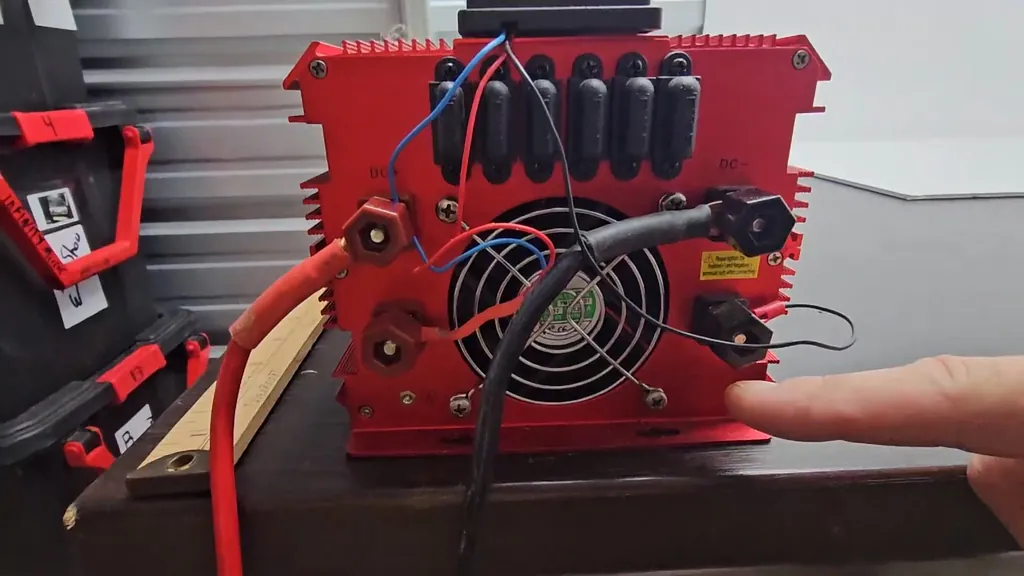
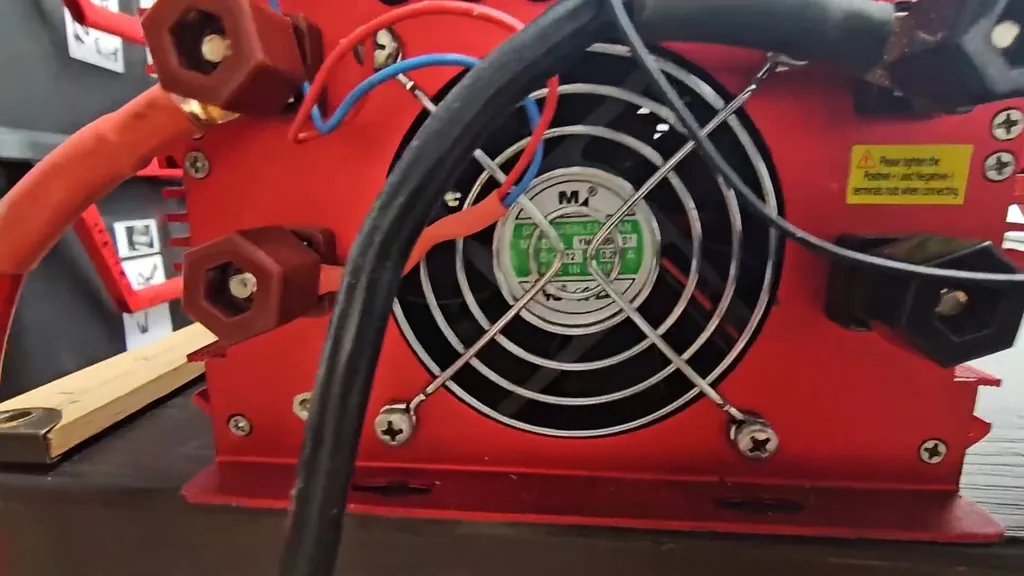
On the back panel, I accessed the heavy-duty hookups for my power wires and the ground connection. Proper grounding is essential here; it provides a path for fault current if an internal short occurs, protecting me from a live chassis. I used thick-gauge copper cabling to minimize voltage drop, which is critical when pulling high amperage from a 12V source. If the wire is too thin, the resistance causes heat build-up and limits the power reaching the inverter. I made sure these connections were torqued down tight to prevent any arcing under heavy load.
Inspecting the Internal Fuses
I checked the row of fuses located on the back of the unit. These fuses act as the primary protection against over-current conditions that could damage the internal MOSFETs or transformer. If I accidentally short the output or push the inverter past its 2000W limit, these fuses are designed to blow and break the circuit. It’s a straightforward design that makes troubleshooting simple if the unit suddenly stops producing power. I prefer this external access because it means I don't have to crack open the entire casing just to replace a blown fuse. This level of accessibility is a big plus for field maintenance.
Portable Power for Lighting
Currently, I have the inverter hooked up to my battery bank specifically to run portable lighting. Having a reliable 110V source means I can use standard LED work lights instead of relying on limited-run battery-powered lamps. The inverter provides a stable output that doesn't flicker, which is important for fine detail work in the shop. I’ve found that even with the lights running, I still have plenty of overhead for other tools. It’s a flexible solution for any situation where I need to bring the shop environment to a remote location.
Verifying Voltage and Performance
My meter showed 12.5V on the battery display, which is a healthy reading for a resting 12V lead-acid battery. This confirms that my connections are solid and the battery is holding a charge. If I saw a voltage drop below 12V while idle, I’d know there was a parasitic draw or a failing cell. I’ve been using this Bestek 2000W inverter for a while now, and it consistently delivers the power I need for my projects. It’s a reliable piece of hardware that hasn't let me down during my testing.
Assessing the Portable Setup
My portable setup is compact enough to move around the shop as needed. I’ve kept the wiring runs as short as possible to maintain efficiency. The inverter is mounted securely, which is important because the internal components are sensitive to vibration during transport. I’ve tested this setup in various configurations, and it remains stable under load. It’s become a core part of my mobile power strategy, allowing me to take on jobs that require standard AC power tools without needing a gas generator.
Final Verdict on the Inverter
After using this unit for several months, I’m convinced it’s a solid choice for anyone needing high-wattage portable power. It handles the startup surge of my table saw without tripping the internal protection, which is a common failure point for cheaper inverters. The cooling fan kicks in when the load increases, keeping the internal temperature within safe operating limits. I’ve found that the build quality is consistent with what I expect from a 2000W unit. It’s a reliable tool that I’ve integrated into my daily workflow.
⚠️ CAUTION: SAFETY WARNING!
Always disconnect the battery before working on the inverter’s internal fuses or terminal connections. High-amperage DC systems can cause severe burns or fires if shorted with metal tools.
Summary & Tips
I’ve run this Bestek 2000W inverter through heavy shop tasks and it hasn't failed me yet. The 12.5V reading on my display confirms it maintains a steady draw from my battery bank. I’m impressed by how well it handles the surge current from my table saw. It’s a reliable tool that I’ll continue to use for my mobile power needs.
📋 FAQ
❓ Can I run a table saw on this 2000W inverter?
Yes, I’ve successfully run my table saw using this unit. It handles the startup surge current effectively without tripping the internal protection. Just ensure your battery bank has enough capacity to handle the high amperage draw.
❓ Why do I need an external voltage display?
It helps me monitor the battery state of charge in real-time. This prevents me from accidentally draining the battery below a safe voltage level.
❓ Is the cooling fan loud during operation?
The fan activates automatically when the internal temperature rises under load. It’s audible, but it’s a necessary feature to keep the components cool. I’ve never found it to be excessively loud for a 2000W unit.
❓ What gauge wire should I use for the input?
I recommend using heavy-duty copper cabling to minimize voltage drop. Thinner wires will heat up quickly and limit the power available to the inverter. Always match the wire gauge to the maximum amperage you plan to pull.
Disclaimer: I purchased all tools for this guide with my own money to ensure an unbiased review. This post contains affiliate links, meaning I earn a small commission if you make a purchase at no extra cost to you.