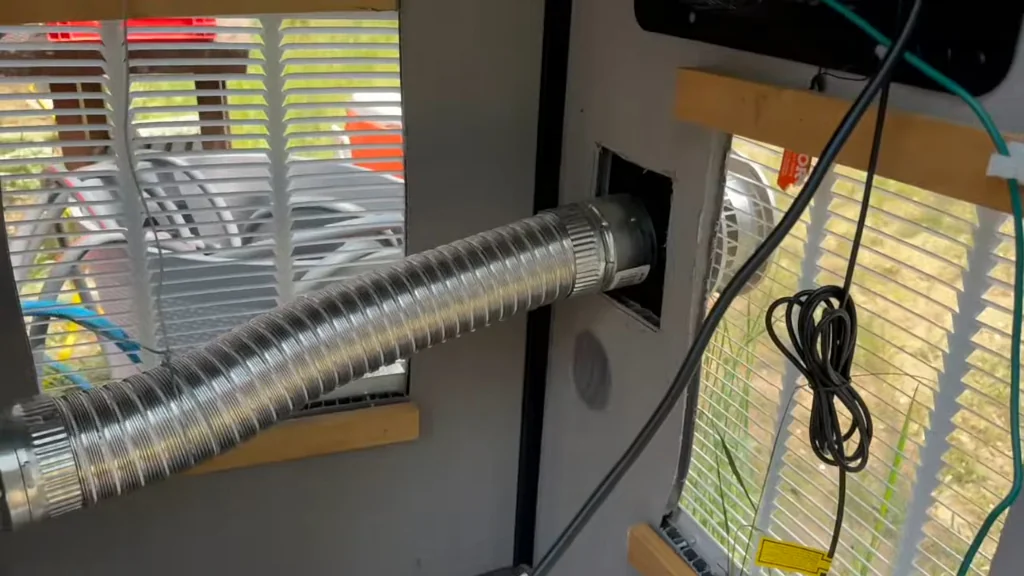
Running a generator on gasoline is a recipe for a gummed-up carburetor if you don’t use it daily. Switching to propane keeps the fuel system clean and makes long-term storage a non-issue. Here is how to integrate a dual-fuel generator into a home backup system using a transfer switch and propane tanks for reliable, low-maintenance emergency power.
⚡ Quick Guide: How to Make It in 5-10 Steps
📋 In This Article
- Technical Specifications & Components
- Tools & Materials Used — what you will need for this project
- Installing the Transfer Switch
- Choosing Propane Over Gasoline
- Assessing Power Needs
- Connecting the Propane Supply
- Performing the First Start
- Testing the Transfer Switch Connection
- Verifying Sine Wave Quality
- Cold Start and Heater Test
- Monitoring the Control Panel
- Evaluating High Load Performance
- Cold Weather Starting Check
- Portability and Camping Utility
- Maintenance Benefits of Propane
- Backup System Redundancy
- Long-Term Maintenance Plan
- FAQ
📊 Technical Specifications & Components
| Generator Model | AIVolt 4300 Dual Fuel |
| Starting Watts | 4300W |
| Running Watts | 3300W |
| Fuel Type | Propane/Gasoline |
| Sine Wave | Pure Sine Wave |
| Load Test | 2800W |
| Tank Capacity | 30 lb (Propane) |
📊 Project Overview & Costs
🔧 Difficulty Level: Medium
⏱️ Time Investment: DIY: 1-2 hours | Pro: 30 minutes
💰 Professional Service Cost: $150-$300
💡 Verdict: Saves hundreds in carburetor repair and fuel stabilization costs over the life of the unit.
🛠️ Tools & Materials Used
• Propane tank (30 lb)
• Transfer switch
• Propane hose assembly
Step-by-Step Assembly, Repair, Testing & Inspection
Installing the Transfer Switch
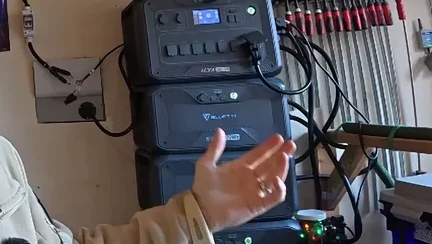
First thing — you need a reliable way to get that power into your house. I've got a transfer switch setup that ties directly into my power station, but it's just as critical for a generator. It's not the standard industrial box you see in every manual, but it gets the job done. Solar is great until the panels get iced over for four days straight. That's when you realize you need a backup plan. It's essential.
Choosing Propane Over Gasoline
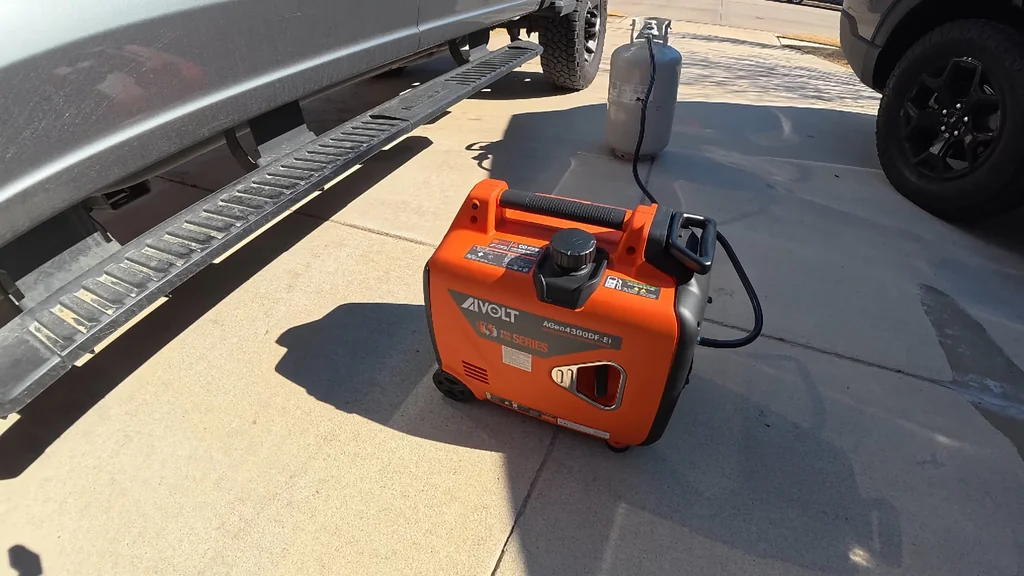
Look, I'm aiming to never put a drop of gas in this AIVolt 4300. It's rated for 4,300 starting watts and 3,300 running watts, which is plenty for emergency essentials. By running strictly on propane, I don't have to worry about the carburetor gumming up after sitting for months. I've got four 30 lb tanks ready to go. It's a cleaner burn. No mess.
Assessing Power Needs
Honestly, my solar array isn't quite big enough to cover everything, so I'm using the generator to bridge the gap. I'm not trying to run the central AC or the furnace — those are power hogs that'll kill this unit in seconds. The goal is to keep the lights and small circuits running. The setup process was straightforward. It unboxed easily and the battery was ready to go. Simple.
Connecting the Propane Supply
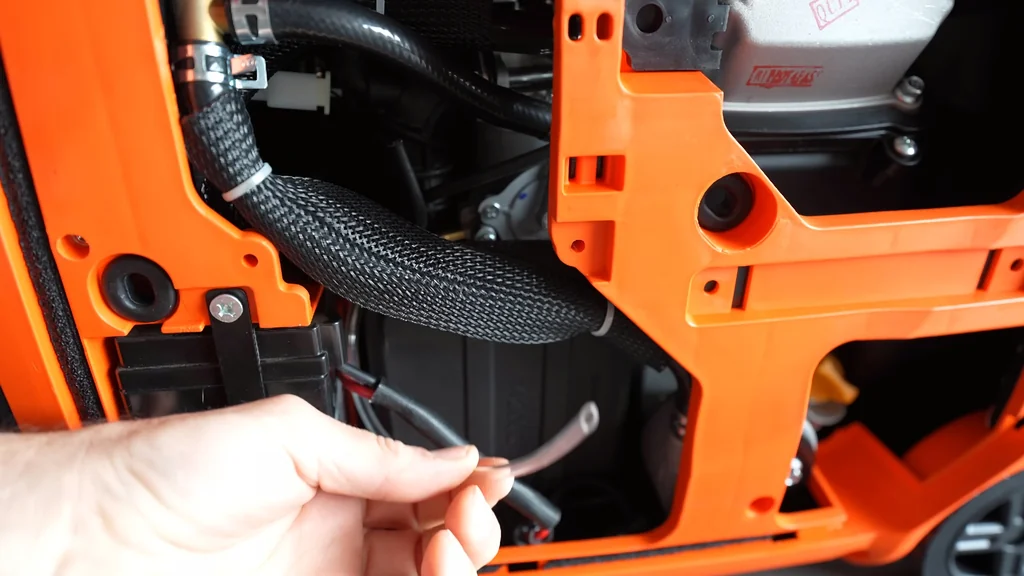
The carburetor drain is super accessible on this model, which is a huge plus if you ever do need to clear the lines. I hooked up the propane hose and laid out the included tool bag and battery charger. The remote start is a nice touch for convenience. You just have to make sure the battery is switched on before you try to fire it up. It's ready. Everything you need comes in the box.
Performing the First Start
Time to see if this thing fires up on the first pull. It gave a little cough, but then it caught. Sweet. Hearing that engine purr on propane is a relief compared to the smell of old, stale gasoline. It's running smooth. No issues at all.
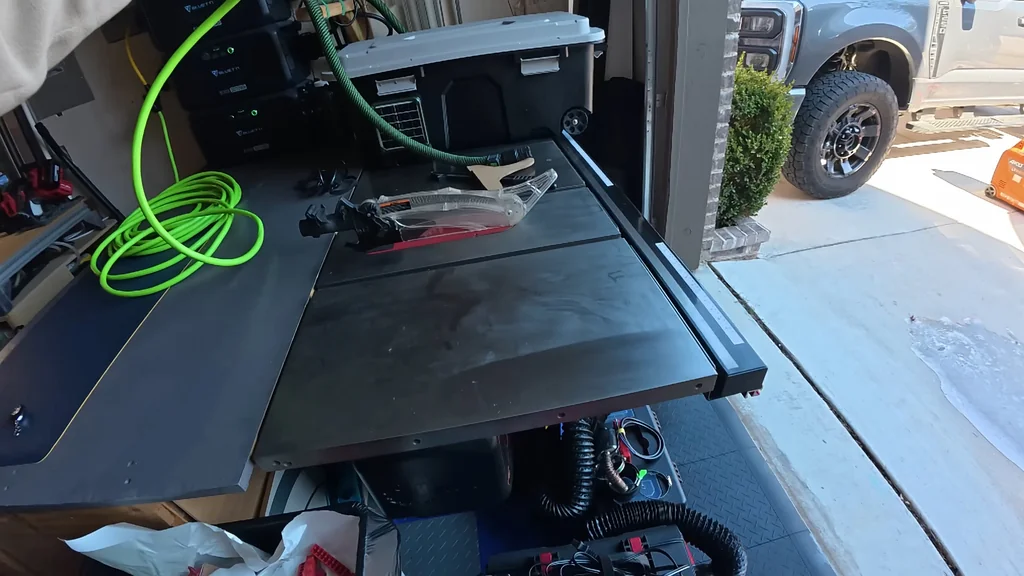
Testing the Transfer Switch Connection
Everything is hooked up to the transfer switch now. I'm just going through the motions of flipping the breakers to verify the load. It's a solid connection. The generator is sitting out on the driveway, humming along nicely. It's working.
Verifying Sine Wave Quality
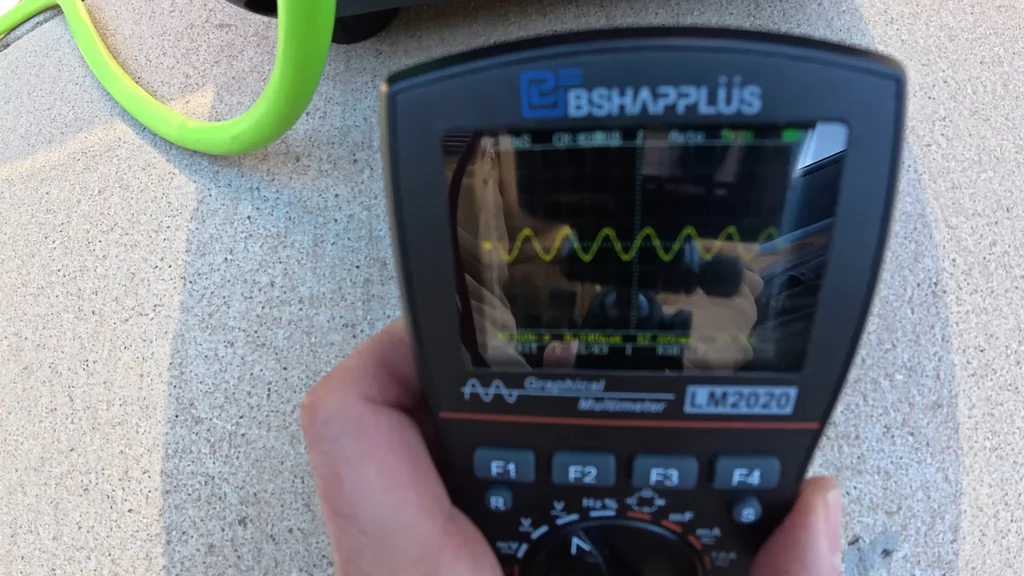
I put the multimeter on it to check the wave form. That looks like a pretty clean sine wave. You won't have any issues running sensitive electronics like laptops or chargers with this output. If I needed whole-home backup, I'd go bigger, but for this, it's perfect. It's clean power.
Cold Start and Heater Test
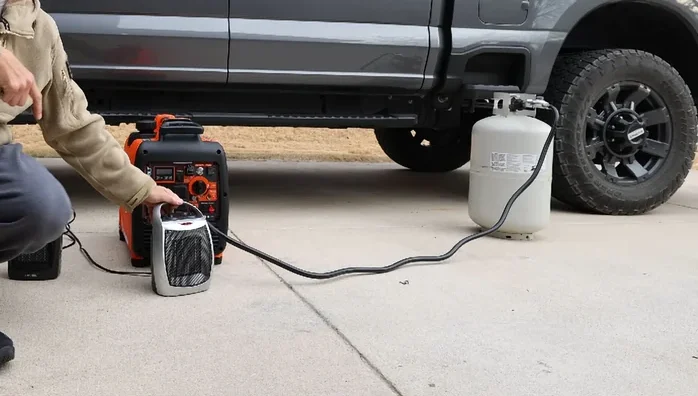
We're going to push it with two 1500-watt space heaters. In reality, that's a heavy load, but let's see what happens. I'm flipping the battery switch on. See that green light flashing? We've got power. It's a cold start test. Let's do it.
Monitoring the Control Panel
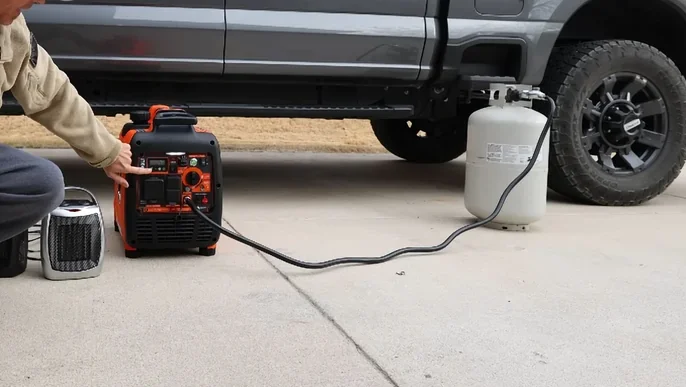
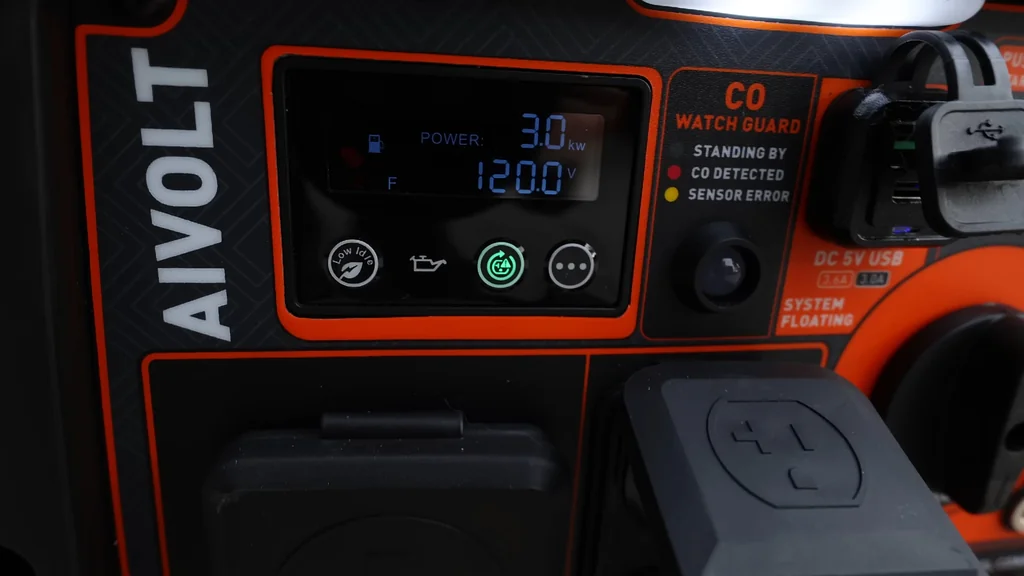
I'm keeping a close eye on the display while the heaters are pulling current. It's all about watching the load. The panel is easy to read. It's holding steady.
Evaluating High Load Performance
Good news, it's running at 2,800 watts and holding. It seems to be doing just fine under that kind of pressure. Again, I wouldn't recommend redlining a brand new generator, but it's handling the load well. It's solid.
Cold Weather Starting Check
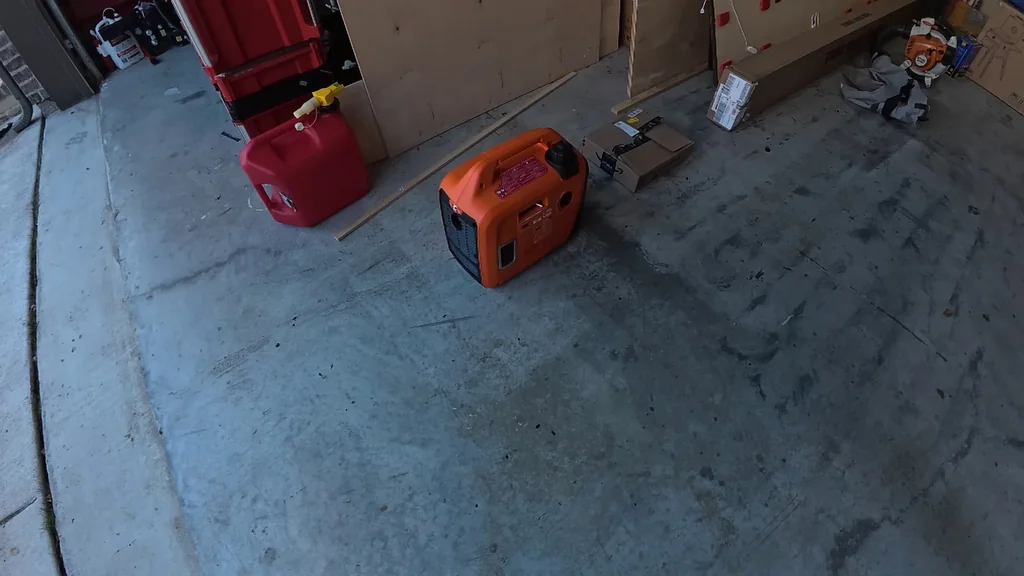
I'm checking the smaller unit I reviewed a few months back. I want to see if it starts before I head inside to get warm. It's cold out here. Let's get it running.
Portability and Camping Utility
This smaller unit is perfect for camping or charging up a power station when the sun isn't cooperating. It doesn't take up much room in the truck. I'm going to let it run for a bit outside. The big one is still doing great. It's reliable.
Maintenance Benefits of Propane
Honestly, get a dual-fuel generator if you can. Not using gasoline makes the upkeep so much easier. You don't have to worry about draining the carb or dealing with gummed-up jets. I showed you how easy it is to drain the carb on this unit anyway — just take the cover off and turn the screw. It's simple.
Backup System Redundancy
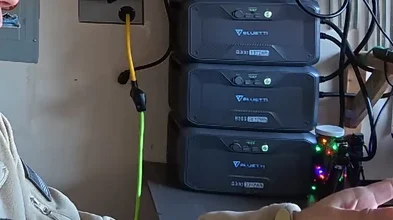
This setup works great as a backup for my power station. If that goes kaput, I've got this generator ready to run on propane. It can handle every circuit I've got tied to the transfer switch. I max out at around 2,000 watts, so I'm well within the limits. It's peace of mind.
Long-Term Maintenance Plan
I'm going to keep an eye on it. I'll pull it out every month or two just to start it up and keep the fluids moving. I'll keep you guys updated on how it holds up. The smaller AIVolt is doing great. It's running.
⚠️ CAUTION: SAFETY WARNING!
Always operate generators outdoors in well-ventilated areas to prevent carbon monoxide poisoning. Never connect a generator to your home's wiring without a properly installed transfer switch.
Summary & Tips
The AIVolt 4300 performs exactly as expected on propane. It's a solid choice for anyone wanting to avoid the headaches of gasoline maintenance. The transfer switch integration makes it a reliable backup for essential home circuits. It's a keeper.
📋 FAQ
❓ Why use propane instead of gasoline for a generator?
Propane doesn't degrade like gasoline, so your carburetor won't gum up if the generator sits for months. It's much cleaner for the engine's internals. Usually, it's the best way to ensure a cold start after long storage.
❓ Can I run my whole house on this 4300-watt generator?
Nah, 4300 watts isn't enough for central AC or electric furnaces. You'll want to stick to essential circuits like lights, fridges, and small electronics. It's plenty for that.
❓ Is it safe to use a transfer switch with this generator?
Yeah, a transfer switch is the safest way to connect a generator to your home's electrical panel. It prevents back-feeding the grid, which is a major safety hazard for utility workers. Always get one installed by a pro if you're not comfortable with electrical work.
❓ How often should I start the generator if it's in storage?
Honestly, firing it up once every month or two is plenty. It keeps the oil circulated and ensures the battery stays charged. It's a simple habit that saves a lot of trouble.
Disclaimer: I purchased all tools for this guide with my own money to ensure an unbiased review. This post contains affiliate links, meaning I earn a small commission if you make a purchase at no extra cost to you.