104 amp-hours of actual discharge capacity — that’s what I measured from the new Temgo 48V 100Ah LiFePO4 battery during my bench tests. I wanted to see how the upgraded cold-rolled steel casing compared to the previous ABS plastic model, especially for off-grid power setups where durability and heat dissipation are critical. I put both units through their paces to determine if the structural improvements justify the shift in build.
⚡ Quick Guide: How to Make It in 15 Steps
- Compare the IP65 ABS plastic housing against the new IP67 cold-rolled steel casing.
- Verify the 200A BMS capability with 300A peak discharge for 15 seconds.
- Check the internal temperature and state of charge on the external LCD screen.
- Toggle charge and discharge settings via the second page of the battery display.
- Confirm 104Ah capacity through a full discharge test.
- Connect the battery to a 48V inverter using a fused positive line for safety.
- Monitor current draw up to 2,000W using a variable heat gun load.
- Integrate the unit into a master-slave parallel system without inverter communication.
📋 In This Article
- Technical Specifications & Components
- Tools & Materials Used — what you will need for this project
- Comparing ABS and Steel Battery Casings
- Evaluating Structural Rigidity and Weight
- Checking Thermal Operating Limits
- Navigating the LCD Interface
- Analyzing Cell Configuration and Connectivity
- Performing Initial Discharge Testing
- Testing Inverter Load with Heat Guns
- Pushing Maximum Inverter Capacity
- Integrating into an Off-Grid System
- Securing the Electrical Connections
- Comparing Current Draw Across Batteries
- Verifying Parallel Performance Under Load
- Reviewing Design and Build Quality
- Considering Trade-offs and Pricing
- Final Verdict on Battery Selection
- FAQ
📊 Technical Specifications & Components
| Nominal Voltage | 48V |
| Capacity | 100Ah |
| BMS Rating | 200A continuous |
| Peak Discharge | 300A for 15 seconds |
| Housing Material | Cold-rolled steel (SPCC) |
| Weather Rating | IP67 |
| Max Charging Temp | 131°F |
| Max Discharging Temp | 149°F |
| Cell Configuration | 16S |
📊 Project Overview & Costs
🔧 Difficulty Level: Easy
⏱️ Time Investment: DIY: 30 minutes | Pro: 15 minutes
💰 Professional Service Cost: 1000 USD
💡 Verdict: Upgrading to the steel-cased version provides better durability for off-grid environments at a modest price increase.
🛠️ Tools & Materials Used
• Temgo 48V 100Ah LiFePO4 Battery (SPCC Steel Version)
Step-by-Step Assembly, Repair, Testing & Inspection
Comparing ABS and Steel Battery Casings
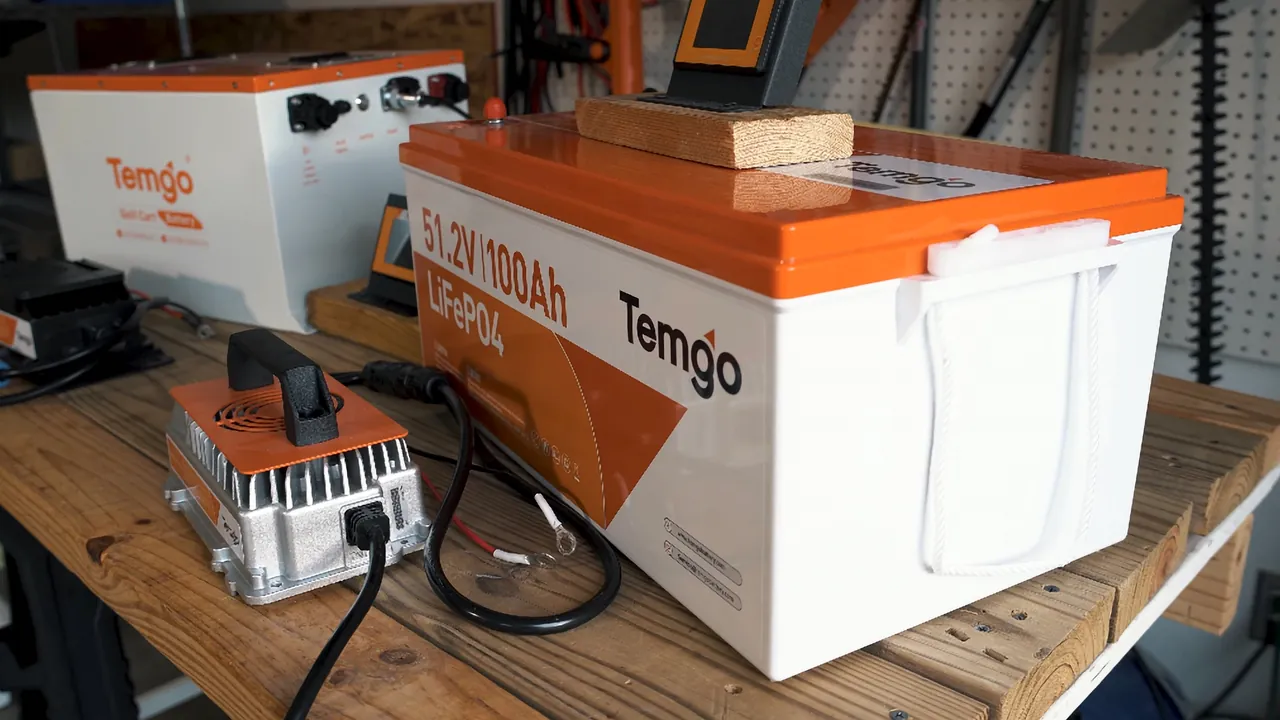
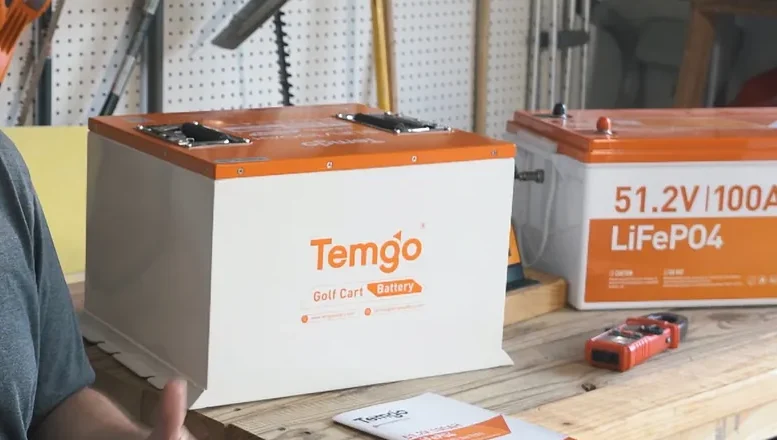
I started by looking at the updated Temgo 48V 100Ah battery. The manufacturer swapped the old ABS plastic shell for a rugged SPCC cold-rolled steel casing. While both versions feature 100Ah capacity and a 200A BMS, the new metal housing upgrades the weather rating from IP65 to IP67. This means the unit is dust-tight and can handle brief immersion in water, which I found to be a significant improvement for off-grid storage.
Evaluating Structural Rigidity and Weight
The steel casing adds over 10 lbs to the total weight of the unit. I noticed the footprint is shorter and squarer, which helps when I'm trying to fit the battery into tight spots. The manual mentions a test where they dropped the battery one meter onto a concrete board, which gives me confidence in its structural rigidity and fire resistance. The metal shell also aids in heat dissipation during heavy use.
Checking Thermal Operating Limits
I checked the thermal limits and found the new battery can charge at 131°F, which is higher than the 122°F limit of the older model. It can also discharge at temperatures up to 149°F. The metal case is clearly designed to handle these higher thermal limits. I also liked the power switch, which lights up when the battery is active.
Navigating the LCD Interface
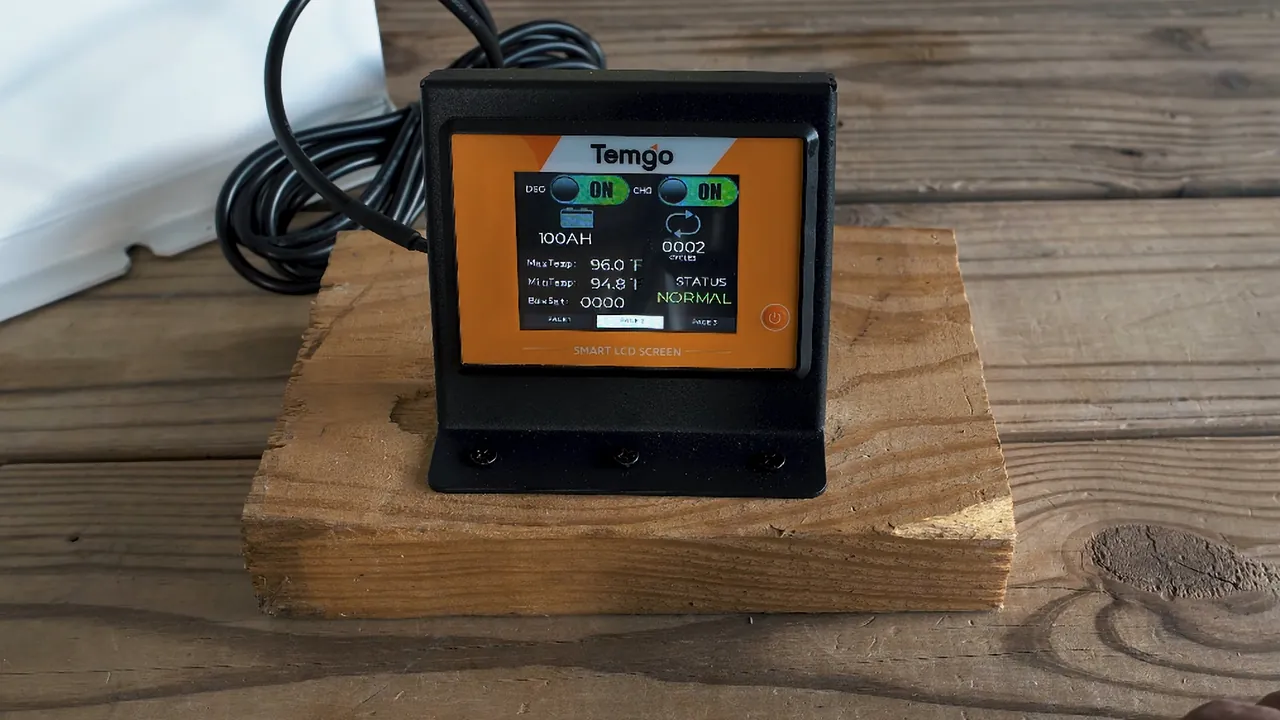
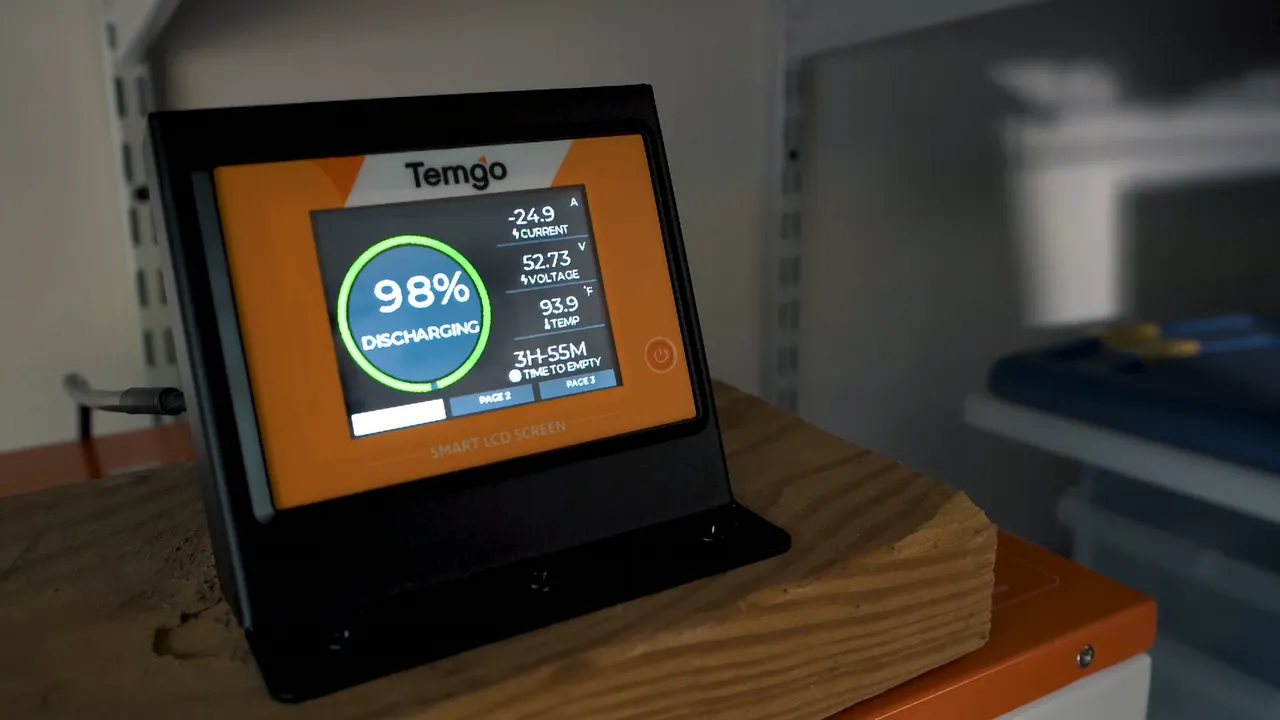
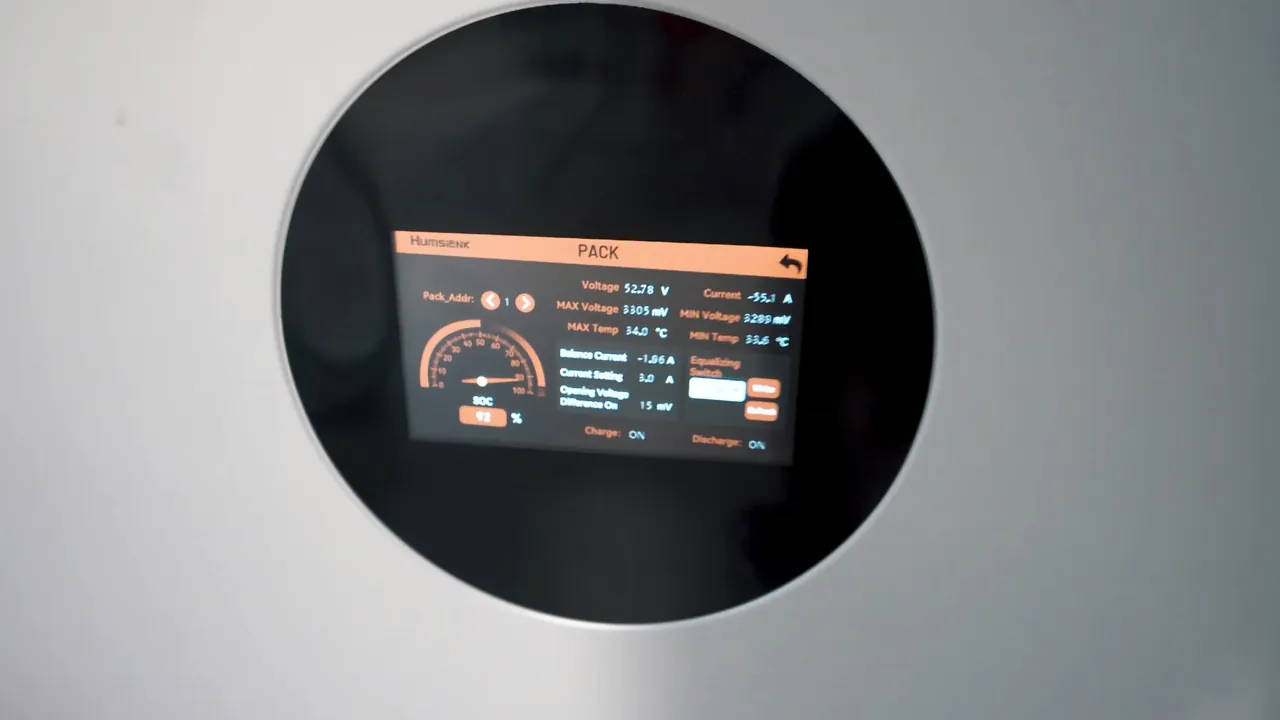
I spent some time with the screen to see how it functions. The first page displays my state of charge, voltage, current, and internal temperature. On the second page, I can manually toggle charging and discharging on or off. It even tracks my cycle count, which is useful since these are brand new units. I also noticed that if I turn the charging and discharging off, the status switches to locked.
Analyzing Cell Configuration and Connectivity
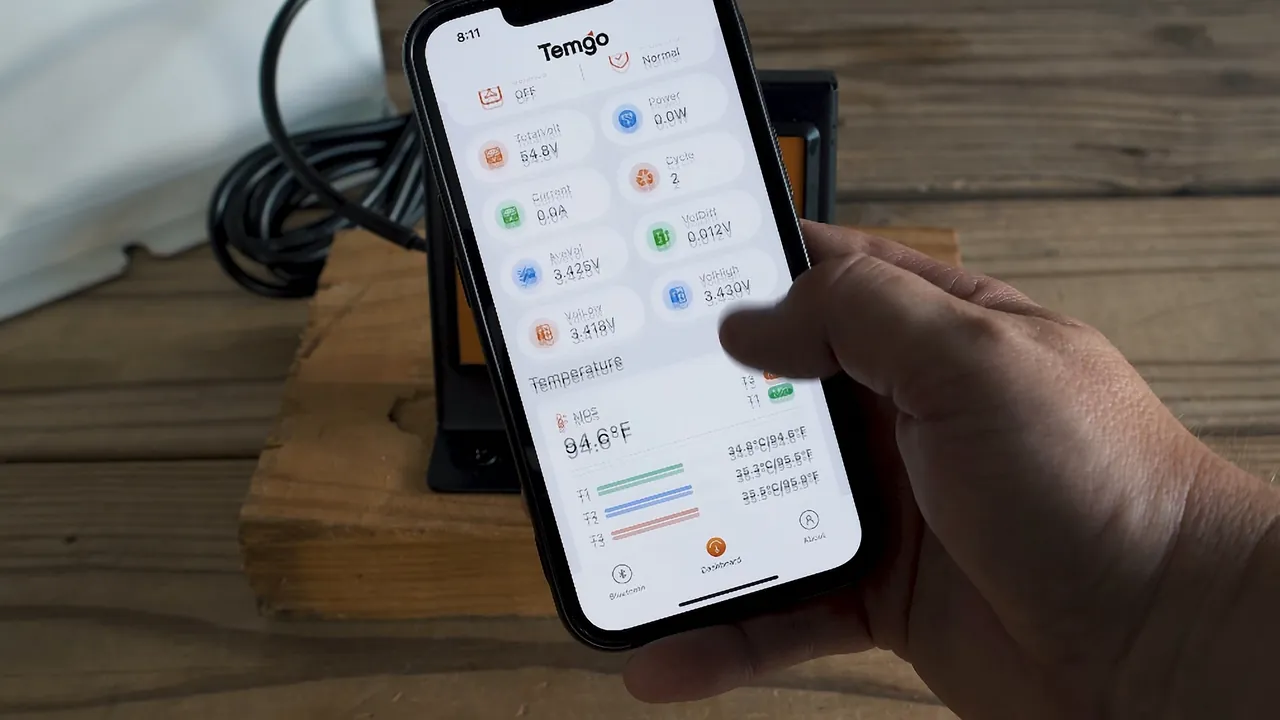
The third page of the display shows the voltage for every cell in the 16S configuration. I can mount the screen anywhere using the three provided screws. For wireless monitoring, I used the Temgo app via Bluetooth. Once I selected the correct battery in the app, I saw the same data mirrored on my phone screen.
Performing Initial Discharge Testing
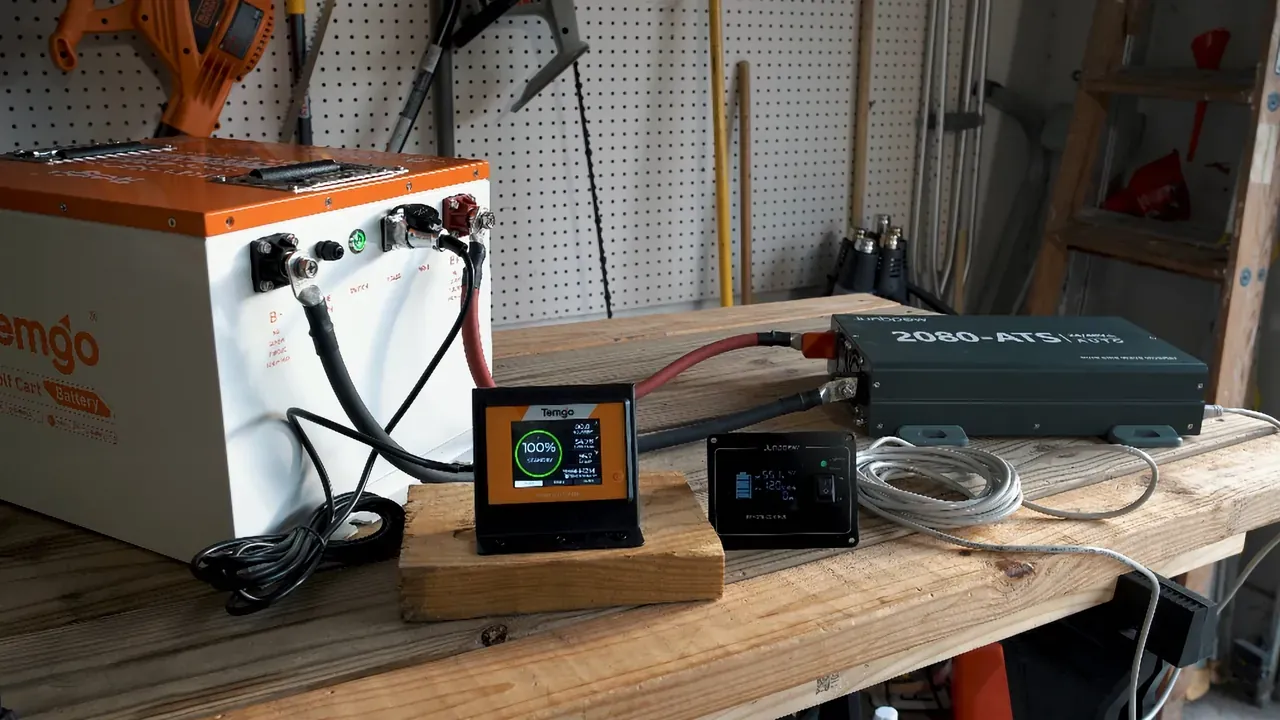
I performed a discharge test and pulled 104 amp-hours, which exceeds the rated capacity. To test the load, I hooked it up to a 48V inverter. For this test, I skipped the fuse on the positive line, but I would definitely add one for any permanent installation to protect the connection between the battery and the inverter.
Testing Inverter Load with Heat Guns
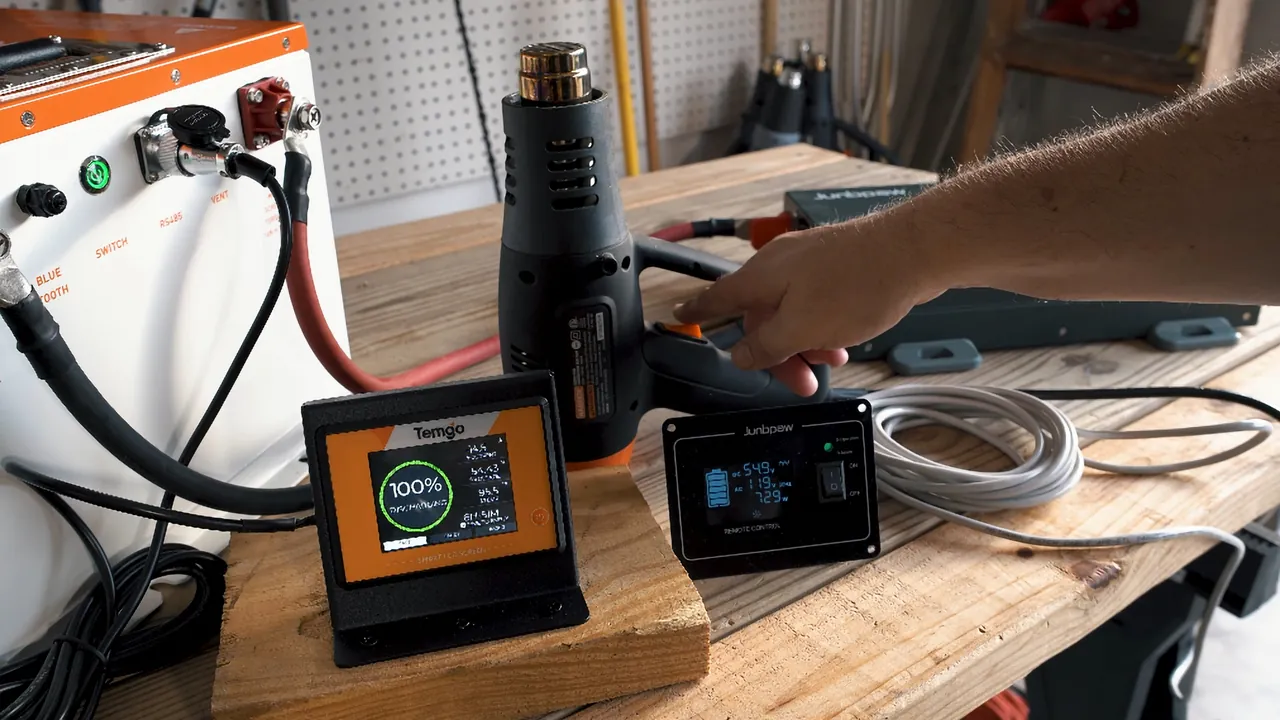
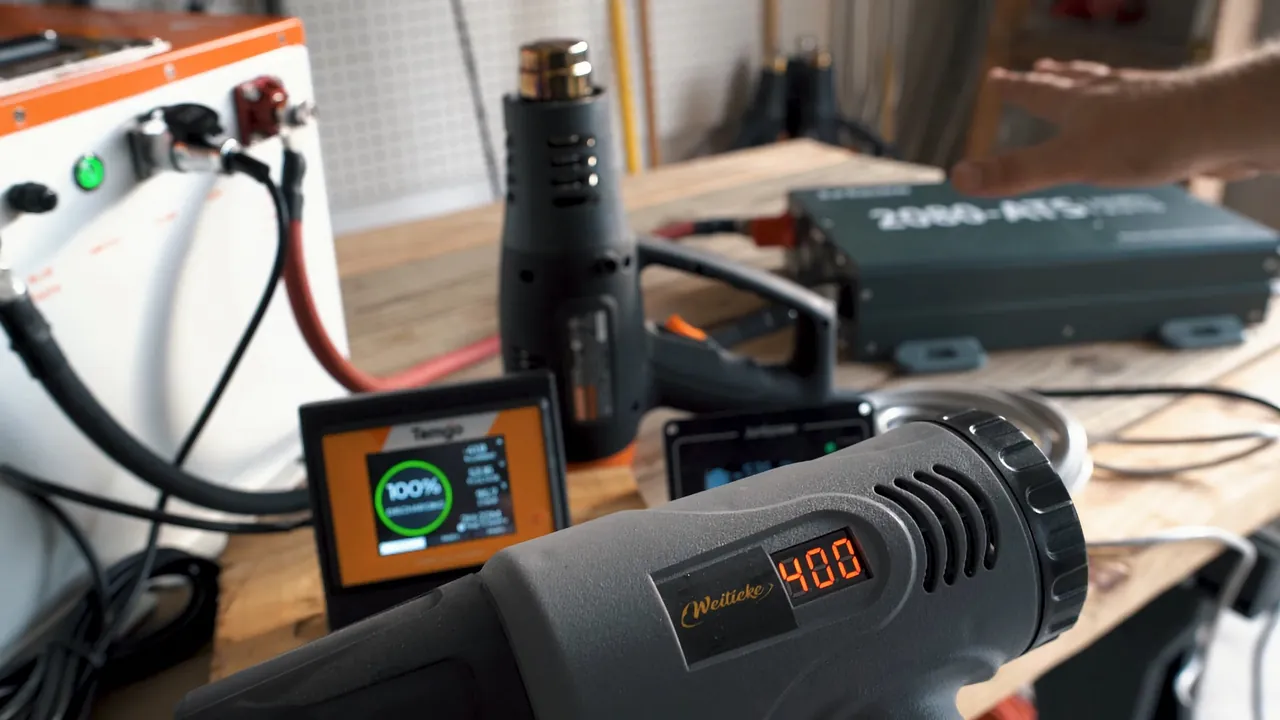
I decided to push the 200A BMS with a couple of heat guns. I started on low, pulling about 700 watts at 14 amps, which the battery handled without any issues. Switching to high brought the draw to 27 amps at nearly 1400 watts. The voltage remained stable throughout the test.
Pushing Maximum Inverter Capacity
I increased the load to 2,000 watts, which is the maximum capacity for this specific inverter. The system pulled 41 amps of current. I heard the inverter chiming as it hit its limit, but the battery itself remained steady and performed exactly as I expected.
Integrating into an Off-Grid System
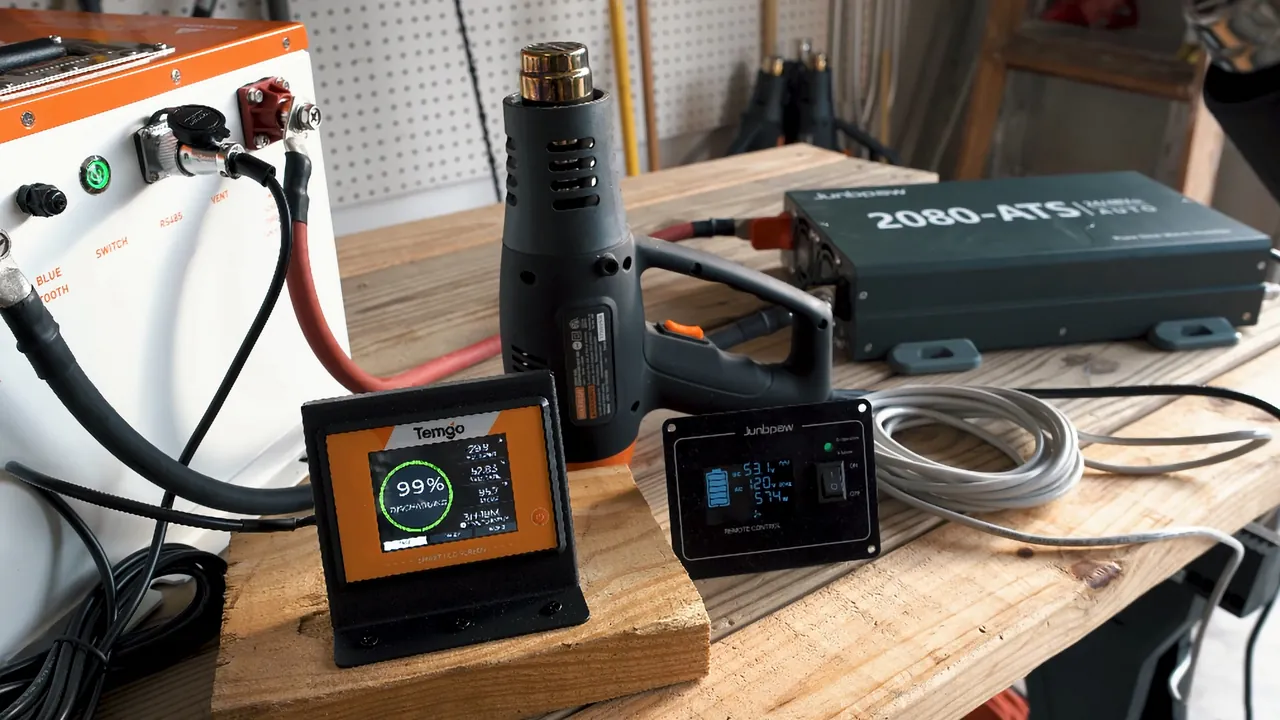
I hooked this battery up in parallel with my master 314Ah battery. Even though this unit doesn't communicate with my inverter, it works fine in an electrically parallel setup. Since my inverter has a maximum draw of 180 amps, I know I will never exceed the 200A BMS limit of this battery.
Securing the Electrical Connections
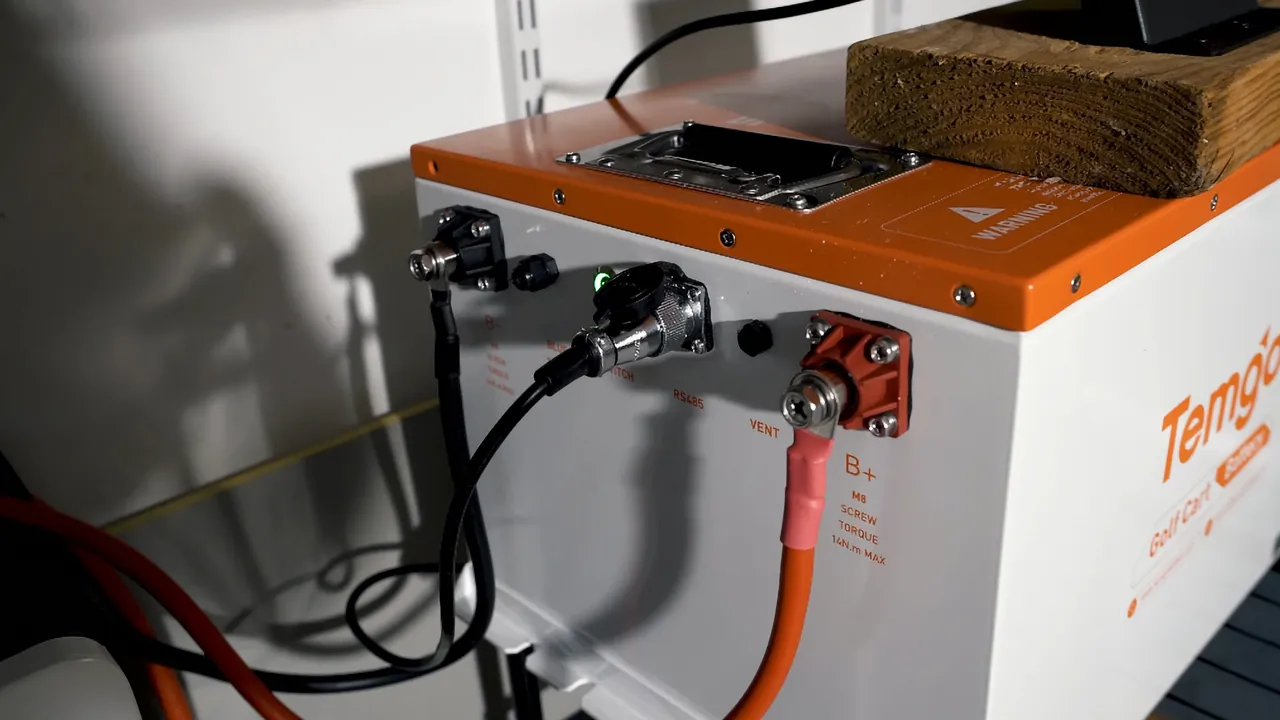
Because this battery lacks a built-in breaker, I would install a fuse on the positive output for a permanent setup. I have it fused at the bus bars and again inside the inverter. With six transfer circuits active, I am currently pulling 3,800 watts out of the system.
Comparing Current Draw Across Batteries
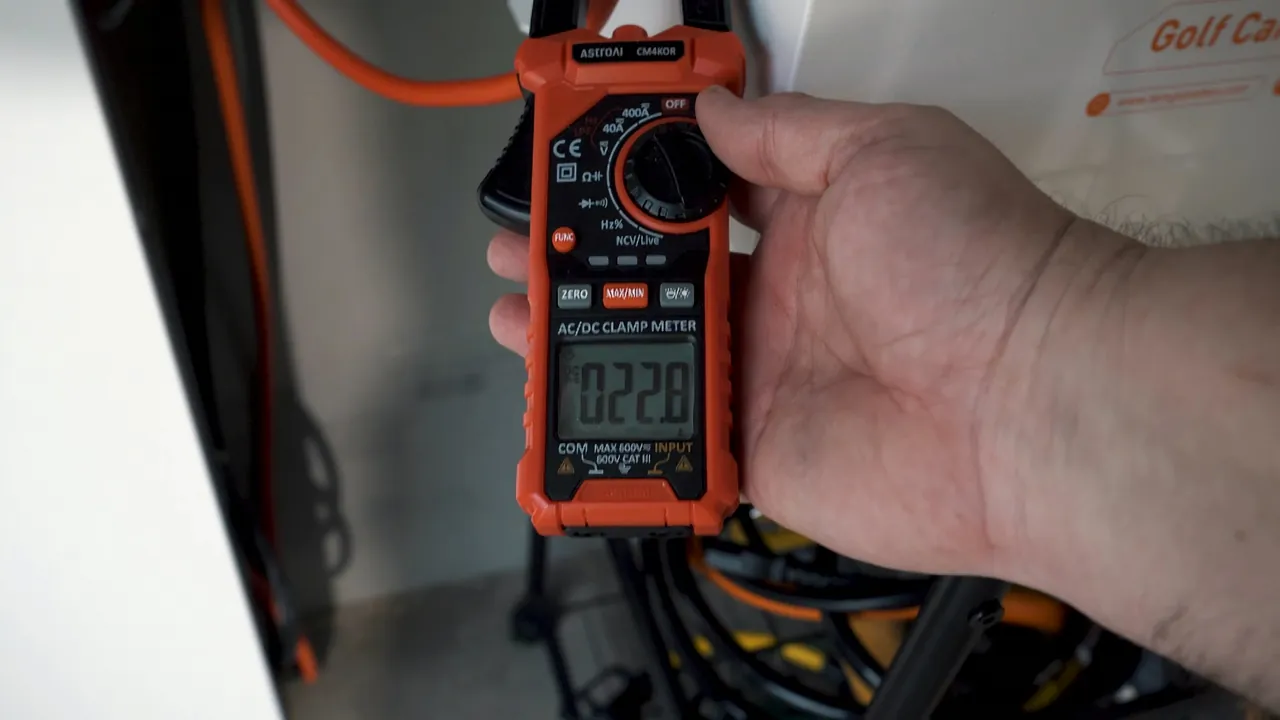
I saw 22.7 amps on one monitor and 23.3 amps on the other, which is fairly close. It is interesting to see how the current splits between my 314Ah battery and this 100Ah unit. They pull different amounts of current based on their internal resistance, but the voltage stays consistent across both.
Verifying Parallel Performance Under Load
As long as the voltage is the same, I know they are electrically parallel. Even at 4,000 watts of output, the battery and cables stayed cool. I was nowhere near the 200A limit, but the steel construction is there to help dissipate heat if I ever do push it that hard during a high-current discharge.
Reviewing Design and Build Quality
I really like the metal casing and the IP67 rating. It feels much safer and more rugged than the plastic version. The compact length makes it easier to fit on my shelves, and it sits nicely crossways on my current setup.
Considering Trade-offs and Pricing
The steel version is 12 lbs heavier and costs about $100 more than the ABS model. For a mild-weather golf cart, the ABS version is fine. However, for off-grid power or garage setups where fire safety and heat dissipation matter, the extra cost for the SPCC steel casing is worth it.
Final Verdict on Battery Selection
If I were building an off-road trailer or camper, I would heavily consider this battery for the power system. It provides plenty of power in a very rugged package. I've included links to both the old and new versions in the description for you to compare.
⚠️ CAUTION: SAFETY WARNING!
Always install a properly rated fuse on the positive line between your battery and inverter to prevent overcurrent damage. Never exceed the 200A continuous discharge limit of the BMS.
Summary & Tips
I found the steel-cased Temgo battery to be a significant upgrade for rugged, off-grid applications. The improved thermal limits and IP67 rating provide peace of mind that the plastic model lacks. While it is heavier and costs more, the build quality is clearly superior. I would choose this version for any permanent or mobile power system where durability is a priority.
📋 FAQ
❓ Can I mix this steel-cased battery with my existing ABS plastic battery?
Yes, you can connect them in parallel as long as the voltages are matched. I have tested this setup and they work together by sharing the load based on their internal resistance. Just ensure your total system current stays within the BMS limits of each unit.
❓ Does the steel casing make the battery difficult to mount?
It is heavier, but the footprint is actually more compact and squarer than the plastic version. This makes it easier to fit into tight storage spaces on shelves or in campers.
❓ Why would I pay more for the steel version if the capacity is the same?
The extra cost covers the IP67 weather rating, better fire resistance, and improved heat dissipation. If you are using the battery in a garage or off-grid environment, these features are worth the investment for safety and longevity. I prefer the metal casing for any setup that might be exposed to rough conditions or high heat.
❓ Is the Bluetooth app necessary for daily operation?
No, the external LCD screen provides all the critical data you need for daily monitoring. The app is a convenient secondary tool for checking cell voltages and cycle counts from your phone. I find the screen to be perfectly adequate for most tasks.
Disclaimer: I purchased all tools for this guide with my own money to ensure an unbiased review. This post contains affiliate links, meaning I earn a small commission if you make a purchase at no extra cost to you.