Picked up a 4000-watt inverter generator to see if it actually delivers clean, stable power for sensitive electronics while staying portable enough to lug around. At 48 pounds, it’s not featherweight, but it hits a sweet spot between output and mobility. I’m testing it for RV trips, emergency backup, and running tools in remote spots where there’s no outlet for miles. Let’s see how it handles real loads.
⚡ Quick Guide: Generator Setup and Operation
- Check the oil before the first startup — don’t skip this.
- Flip on ECO mode for light loads to stretch your fuel.
- Watch the control panel to confirm the voltage output’s right.
- Wait until the engine settles before plugging in sensitive gear.
- Check the air filter regularly — it clogs faster than you’d think.
📋 In This Article
- Technical Specifications & Components
- Tools & Materials Used — what you will need for this project
- Unboxing the 4000W Inverter
- Inspecting the Chassis and Build
- Analyzing Side Panel Ventilation
- Reviewing the Control Panel Layout
- Testing the 120V AC Outlets
- Starting the Engine Sequence
- Accessing the Air Filter Compartment
- Verifying Filter Part V0101003
- Connecting External Loads
- Powering Kitchen Appliances
- Running the Inverter Microwave
- FAQ
📊 Technical Specifications & Components
| Peak Power | 4000 Watts |
| Running Power | 3200 Watts |
| Noise Level | 59 dB at 23 ft |
| THD | Under 3% |
| Weight | 48 lb |
| AC Outlets | 2x 120V 20A |
| Specialty Outlet | 1x 120V 30A L5-30R |
| DC Output | 12V 8.3A |
| Runtime | Up to 7 hours at 25% load |
📊 Project Overview & Costs
🔧 Difficulty Level: Easy
⏱️ Time Investment: DIY: 10 minutes | Pro: 5 minutes
💰 Professional Service Cost: $0
💡 Verdict: Knowing how to run your generator correctly prevents expensive equipment damage down the line.
🛠️ Tools & Materials Used
• Extension cord
• Gasoline fuel
• Standard workshop screwdriver
Step-by-Step Assembly, Repair, Testing & Inspection
Unboxing the 4000W Inverter
Pulled it out of the box and it's actually pretty compact for what it is. At 48 pounds, I can move it around the shop or campsite without killing myself. The inverter tech is the important part here — it converts raw AC to DC and back to clean AC, which protects laptops, cameras, and anything else with a circuit board.
Inspecting the Chassis and Build
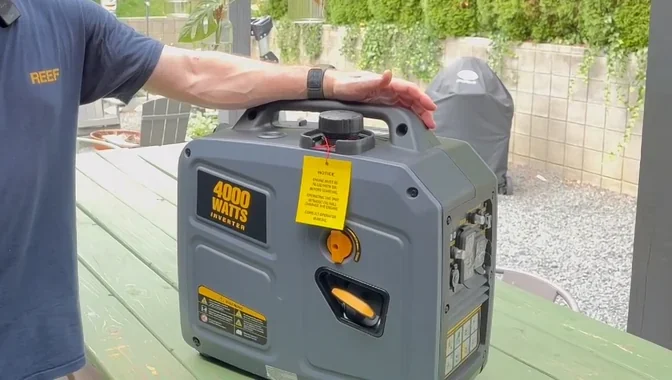
Gave the casing a quick once-over and it feels sturdy — no flexing or cheap plastic creaks. The handle's positioned well for a balanced carry. I always check the cooling vents are clear before running these things under load. Overheating is the fastest way to kill a generator.
Looking at the side profile, the ventilation design is clearly built for airflow. This is where the engine pulls air for combustion and cooling. If you're running this in a dusty environment, keep an eye on this area. Dust buildup chokes the engine and increases noise.
Reviewing the Control Panel Layout
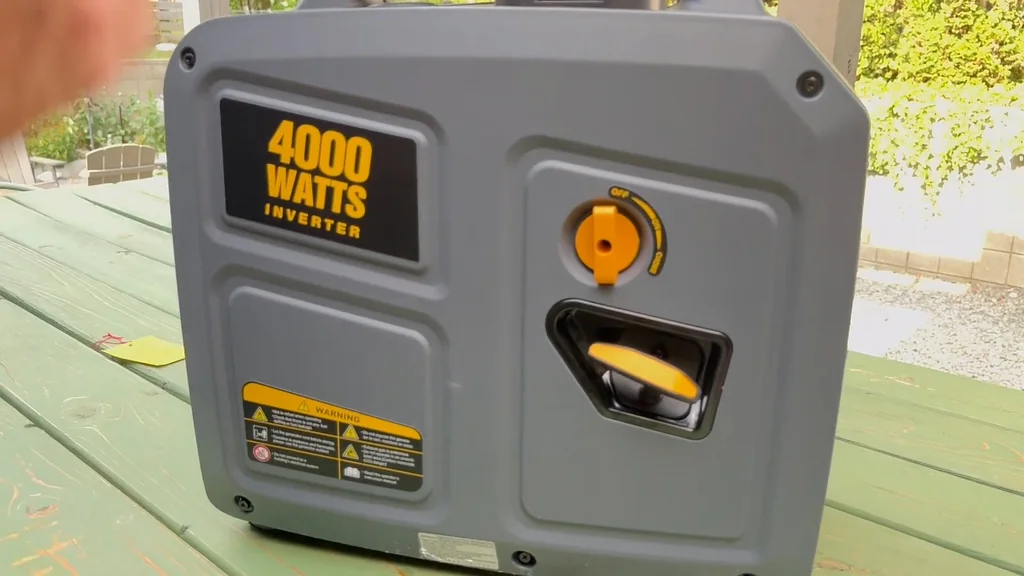
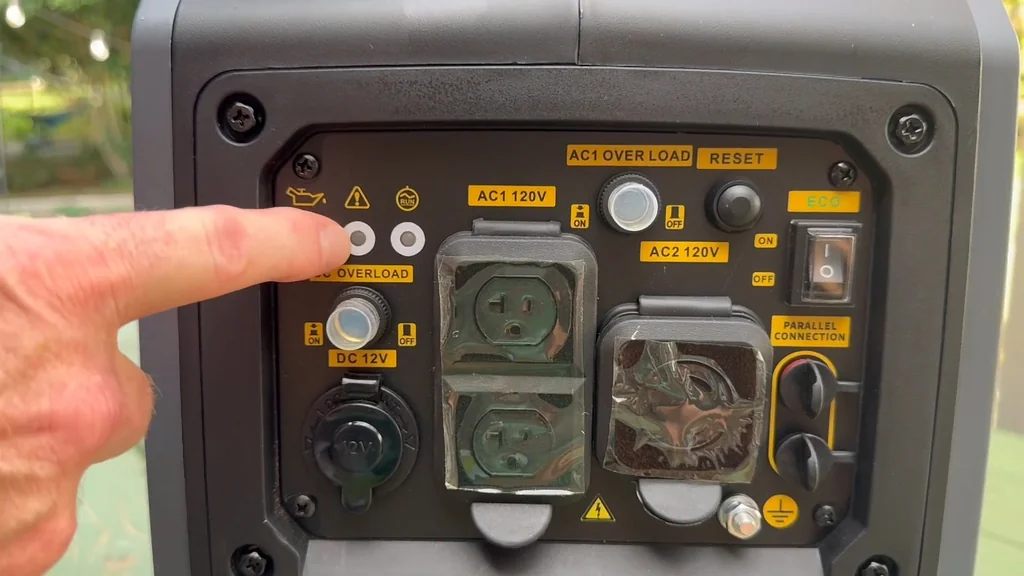
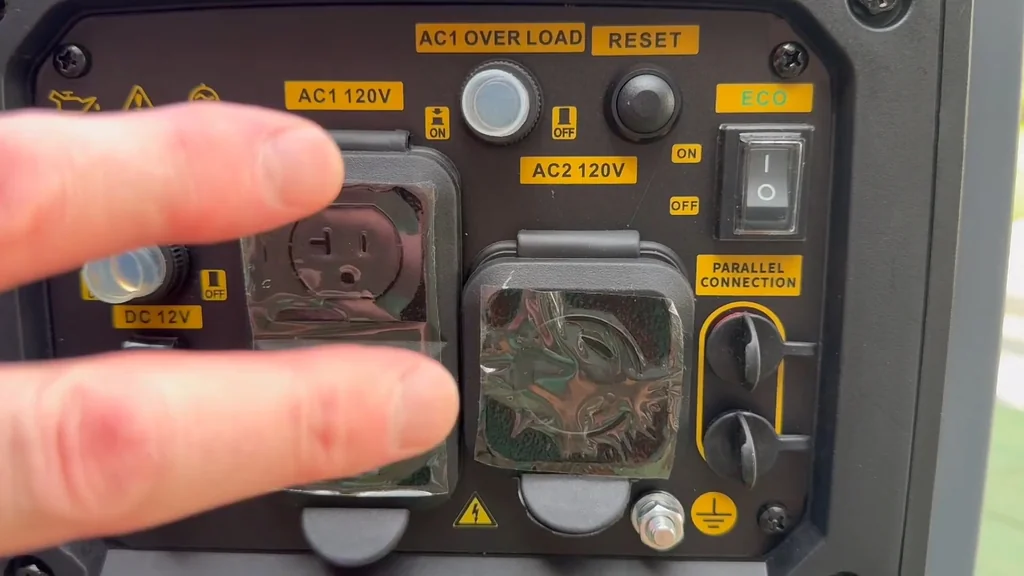
The control panel's laid out logically — everything's labeled so you're not guessing. You've got two 120V 20A outlets plus a 30A L5-30R twist-lock for heavier stuff. There's also a DC output for charging batteries directly. Honestly, it's a versatile setup for a unit this size.
Testing the 120V AC Outlets
The AC outlets are standard NEMA 5-20R style — fits most household plugs without an adapter. The power coming out is clean, with less than 3% total harmonic distortion. That's safe for sensitive gear. No flickering lights, no fried electronics.
Starting the Engine Sequence
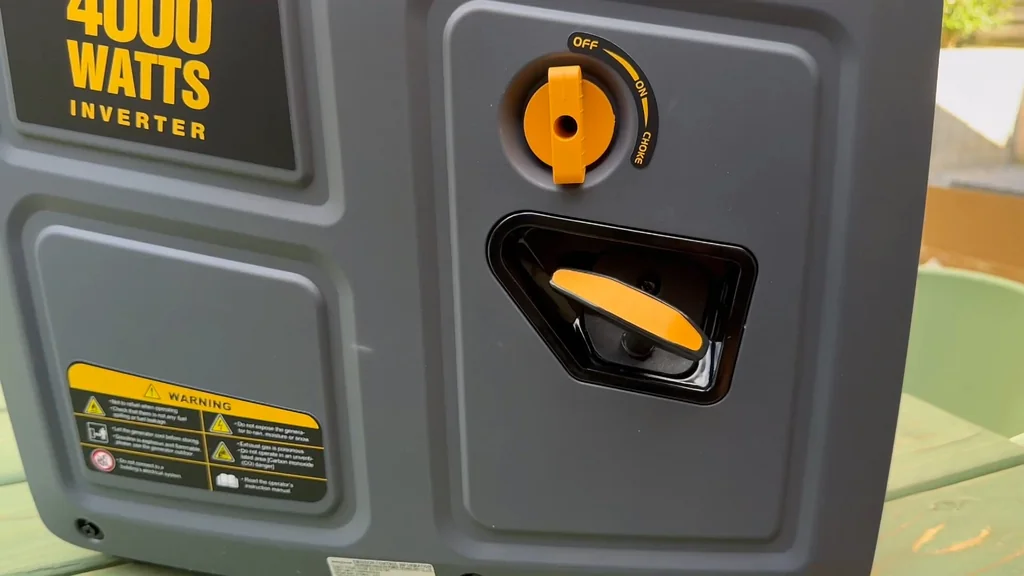
Firing it up is easy — engage the choke first, then give the recoil starter a firm pull. Once the engine catches, disengage the choke and let it settle into idle. The pull start is smooth — no fighting with it like some stubborn generators I've used.
Accessing the Air Filter Compartment
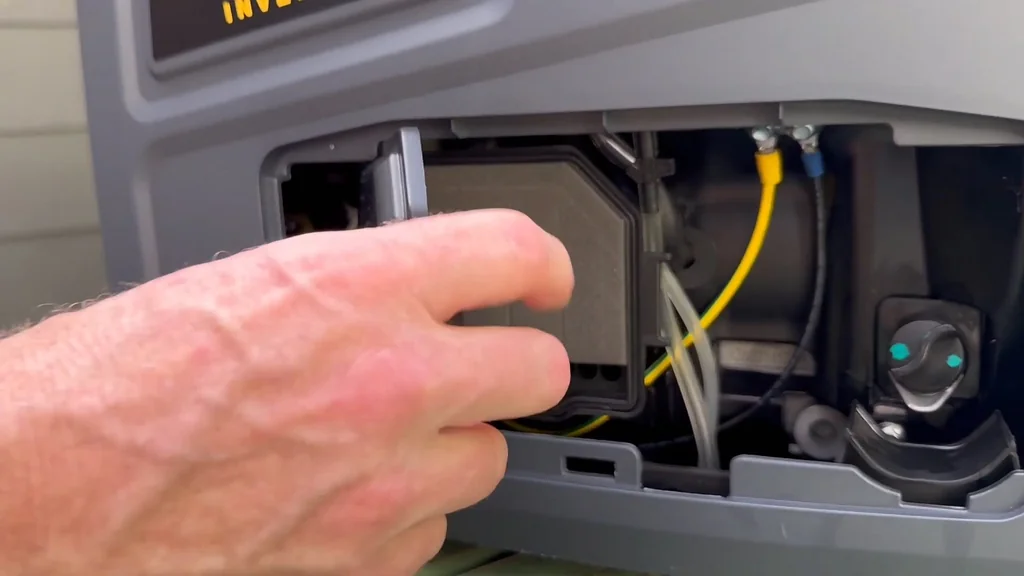
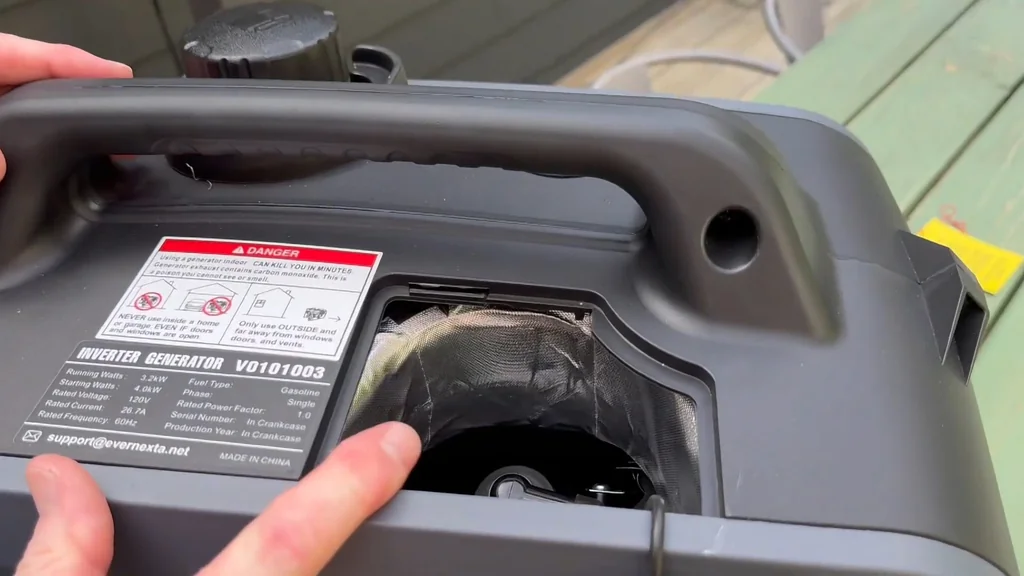
Maintenance on this thing is dead simple. The air filter compartment unscrews in seconds to reveal the foam element inside. Keeping this clean is probably the single most important thing you can do for engine longevity. It's a two-minute job.
Verifying Filter Part V0101003
The filter's marked with part number V0101003 — standard foam type. I checked it for oil saturation and dust buildup. If it looks clogged, swap it immediately. A dirty filter chokes the engine and burns more fuel.
Connecting External Loads
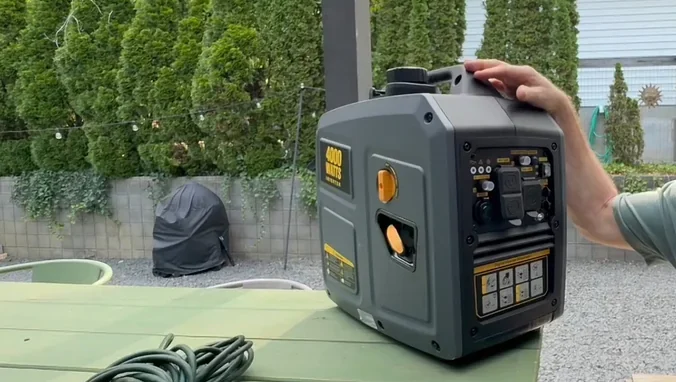
Once the engine's warm, you can plug in your gear. Just make sure the extension cord is rated for the amperage you're pulling. Stay under the 3200-watt running limit and you won't trip the internal breakers.
Powering Kitchen Appliances
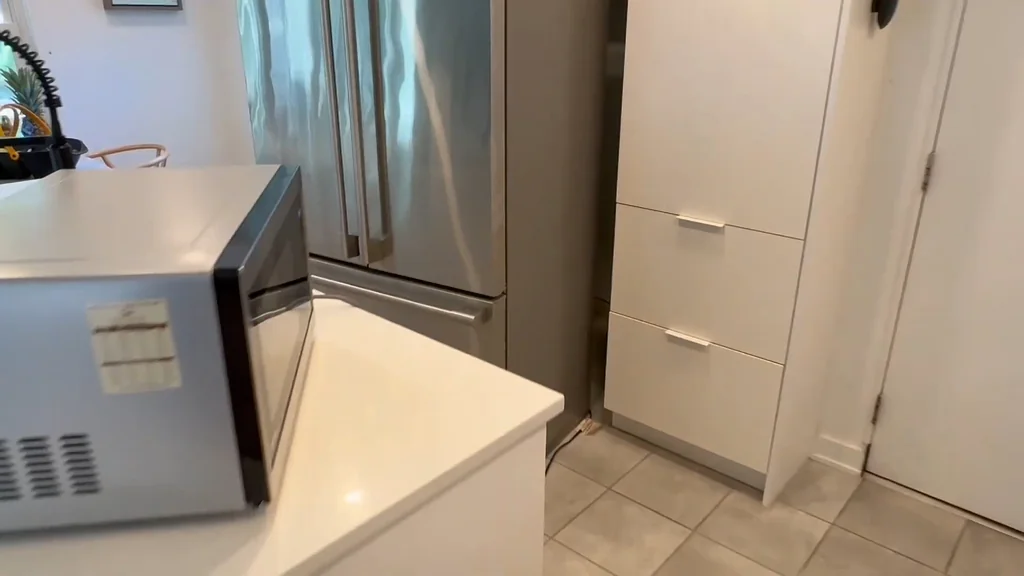
Tested it with a microwave and fridge together. The inverter handles the compressor's startup surge without stalling — that's the real test for any generator. It's a solid backup for keeping your kitchen essentials running during an outage.
Running the Inverter Microwave
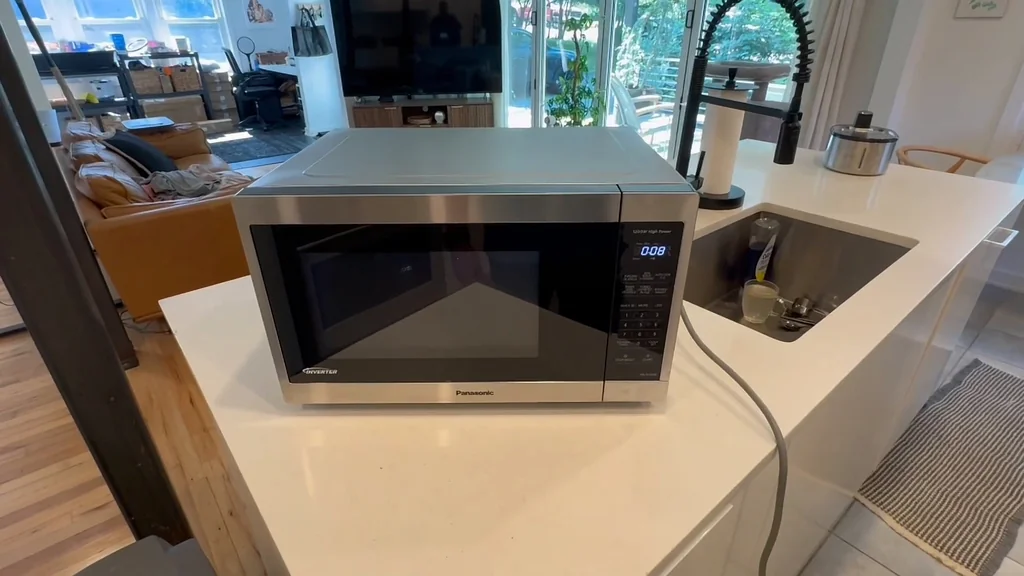
The Panasonic inverter microwave ran smooth — no buzzing, no power drops. That confirms the sine wave is clean enough for modern appliances. This is the kind of real-world test that separates quality generators from the cheap stuff.
⚠️ CAUTION: SAFETY WARNING!
Run this generator outdoors in a well-ventilated area — carbon monoxide kills. Never refuel while the engine's hot or running.
Summary & Tips
This 4000W inverter generator nails the balance between power and portability. It delivers clean, stable electricity that's safe for sensitive electronics, and the maintenance is simple enough for anyone to handle. If you need dependable off-grid or backup power without breaking your back carrying it around, this is a solid pick.
📋 FAQ
❓ Can I run a computer on this generator?
Yeah, you can. It's an inverter generator, so the sine wave is clean enough for laptops and PCs without worrying about damage.
❓ How loud is this thing?
It's pretty quiet — 59 dB from 23 feet away. That's about the level of a normal conversation. Campground-friendly.
❓ Is the ECO mode worth using?
Depends on your load. For small devices, it saves fuel and drops the noise by lowering engine speed. For heavy loads, leave it off.
❓ What happens if I exceed the 4000W peak?
The internal breaker trips to protect the unit. You'll need to unplug the load and reset the breaker to get power flowing again.
Disclaimer: I purchased all tools for this guide with my own money to ensure an unbiased review. This post contains affiliate links, meaning I earn a small commission if you make a purchase at no extra cost to you.