When the power goes out, you need a backup that actually works — not something that fights you in the middle of a storm. A transformer blew near my place and knocked out the grid for six hours. The Bluetti AC200L stepped up and powered my essential circuits through a Reliance transfer switch without needing to fire up a loud, gas-hungry generator. Here’s exactly how I set it up so you can do the same.
⚡ Quick Guide: How to Make It in 5-10 Steps
📋 In This Article
- Technical Specifications & Components
- Tools & Materials Used — what you will need for this project
- Assessing the Power Outage
- Initial Setup and Safety
- Selecting the Correct Adapter
- Connecting the Power Cable
- Routing the Power Path
- Activating Essential Circuits
- Managing Energy Consumption
- Monitoring Real-Time Load
- Analyzing Battery Performance
- Utilizing Pass-Through Charging
- Planning for Extended Outages
- Switching Circuits to Generator
- Evaluating System Limitations
- Post-Outage Cleanup
- Final Verdict on Backup Power
- FAQ
📊 Technical Specifications & Components
| Battery Capacity | 2048 Wh |
| Output Ports | TT-30 (Trailer Outlet) |
| Transfer Switch | Reliance 10-Circuit Manual |
| System Voltage | 120V/240V capable |
| Continuous Load Handling | 300W - 400W (tested) |
| Charging Time (0-85%) | 45 minutes (Turbo Mode) |
| Main Breaker Rating | 200 Amps |
📊 Project Overview & Costs
🔧 Difficulty Level: Medium
⏱️ Time Investment: DIY: 30 minutes | Pro: 15 minutes
💰 Professional Service Cost: $50 - $100 for cabling and adapters
💡 Verdict: This saves hundreds compared to running a gas generator all night — and it's silent.
🛠️ Tools & Materials Used
• Bluetti AC200L Portable Power Station
• L14-30R to TT-30 Adapter Cable
• Reliance 10-Circuit Transfer Switch
• Standard Heavy-Duty Extension Cord
Step-by-Step Assembly, Repair, Testing & Inspection
Assessing the Power Outage
A sudden downpour took out a transformer, and the whole house went black around 7 PM. First priority — get the lights back on. The Bluetti AC200L was sitting in the closet, ready to go. Having a charged power station on hand honestly saved the night. My first move was getting the essentials powered before the fridge started warming up.
Selecting the Correct Adapter
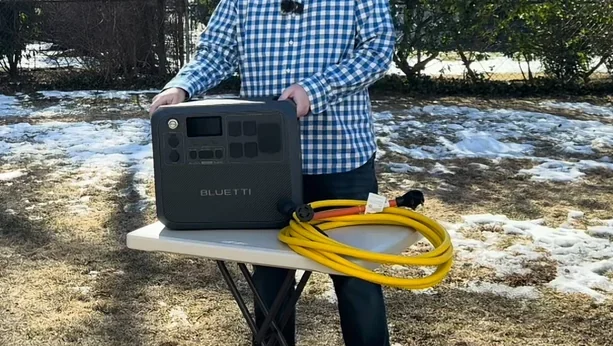
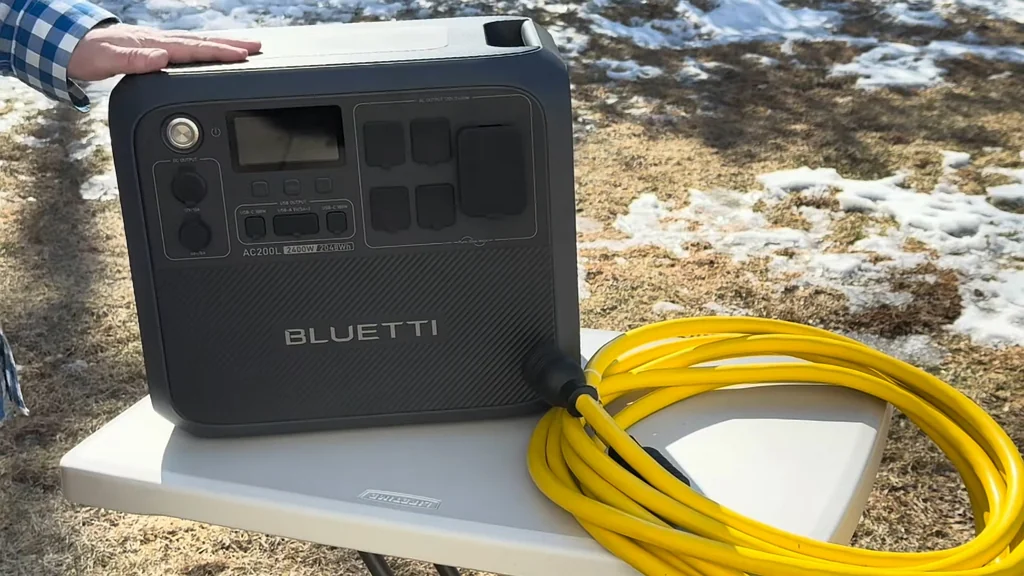
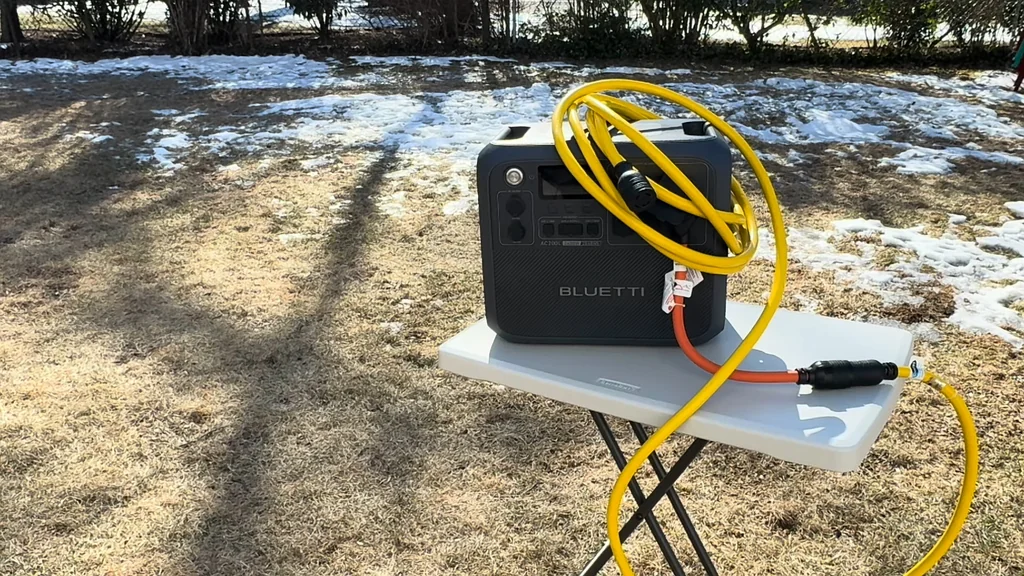
The AC200L has a TT-30 trailer outlet, but my transfer switch needs an L14-30R input. The adapter bridges that gap — simple fix. I set the station up near the window so the cable could run straight outside without getting wet. The rain was coming down hard, so keeping the electronics dry was priority number one.
Connecting the Power Cable
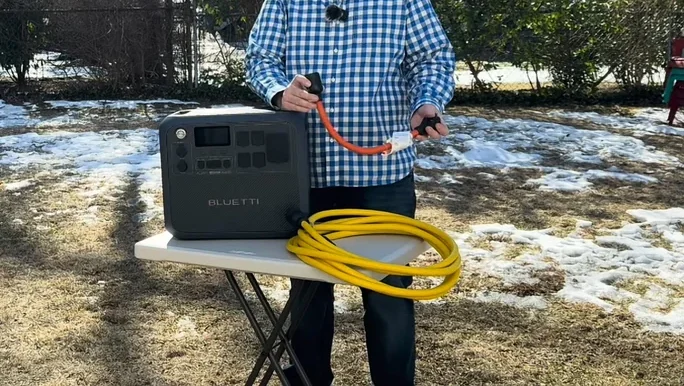
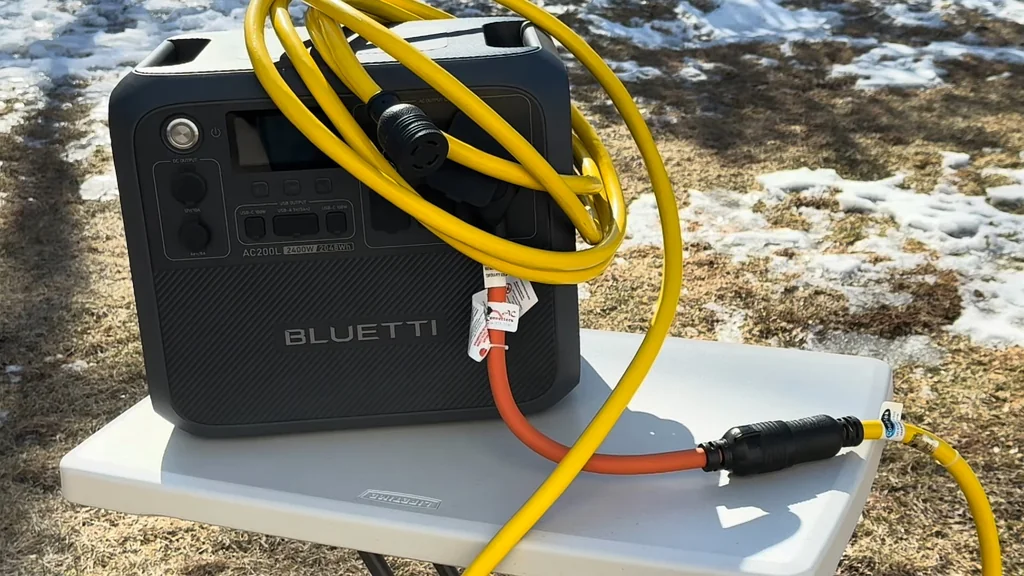
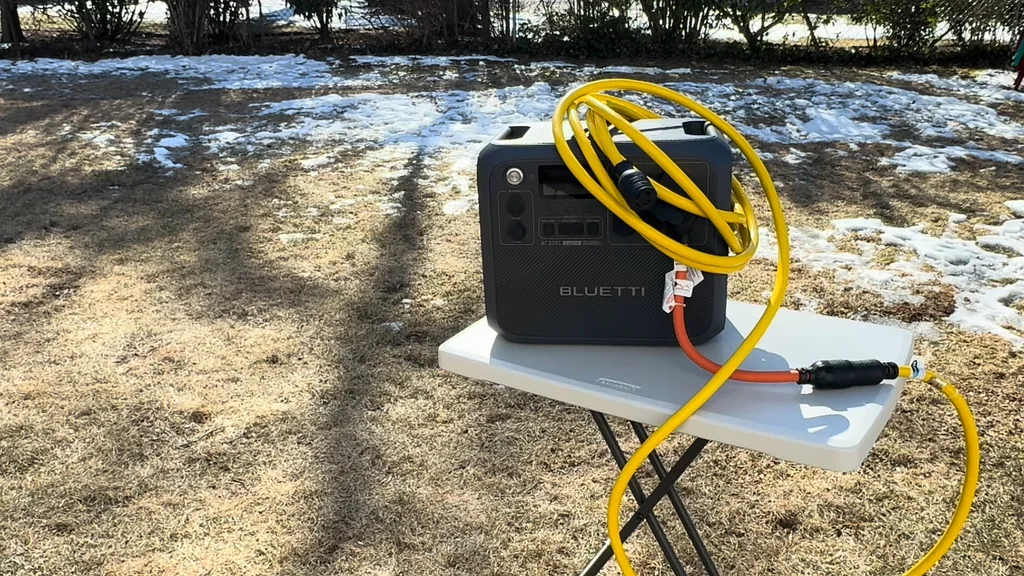
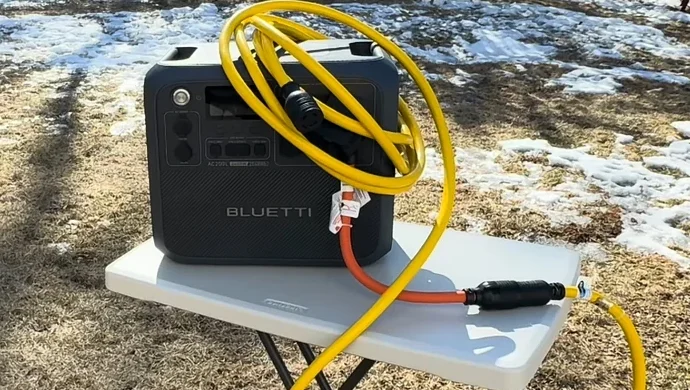
Plugged the L14-30R adapter into the trailer outlet on the Bluetti. The connection's solid — no wiggle. Then I ran the other end of the cable outside to the transfer switch input. Made sure the power station stayed inside where it was dry. Rain and lithium batteries don't mix.
Routing the Power Path
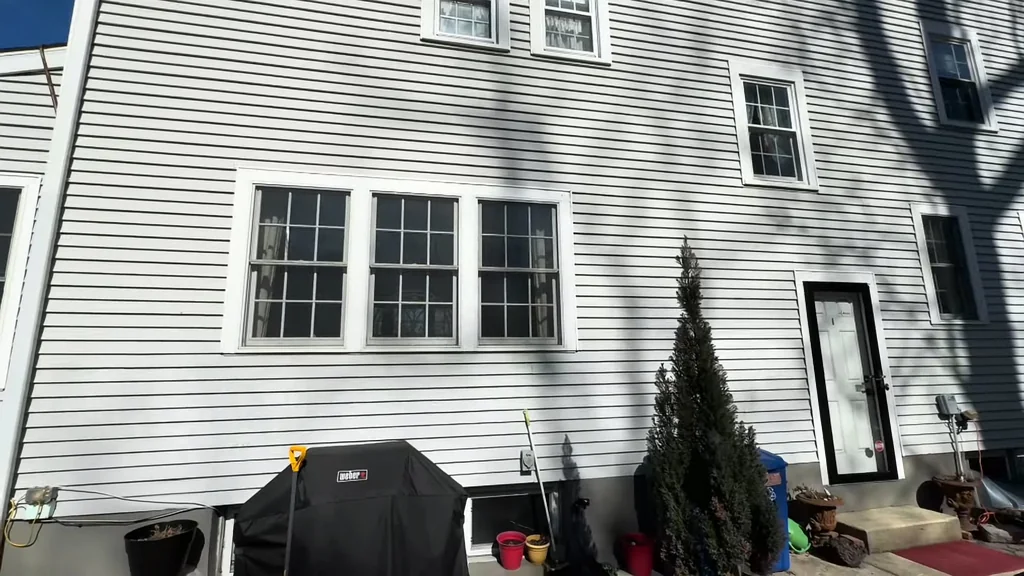
Swung the camera around to show the exterior input on the transfer switch. Plugged the yellow cable straight into the generator input port — perfect fit. The cable ran from the second-floor window down to the switch without any exposure to the rain. Powered on the battery and everything stayed dry.
Activating Essential Circuits
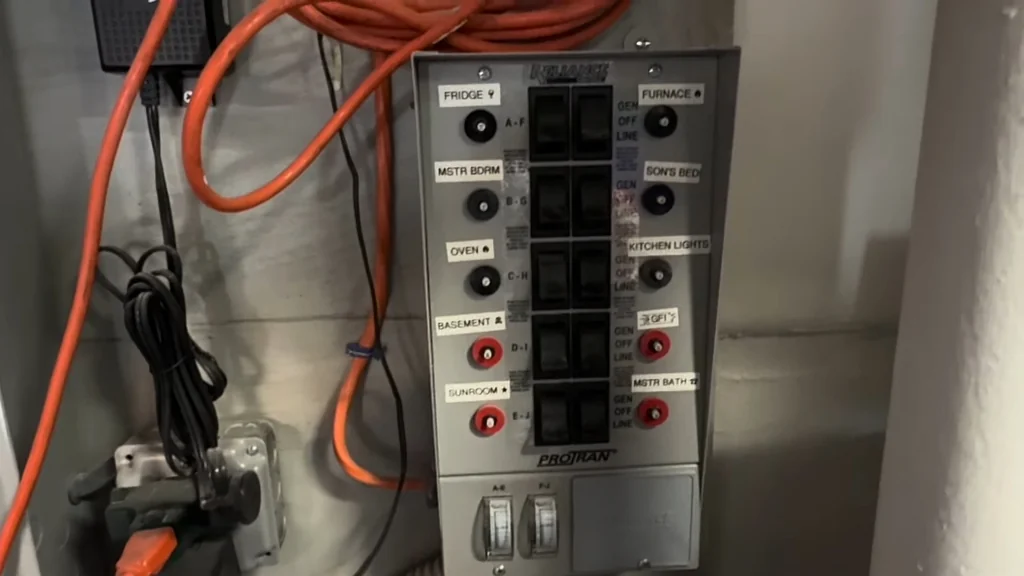
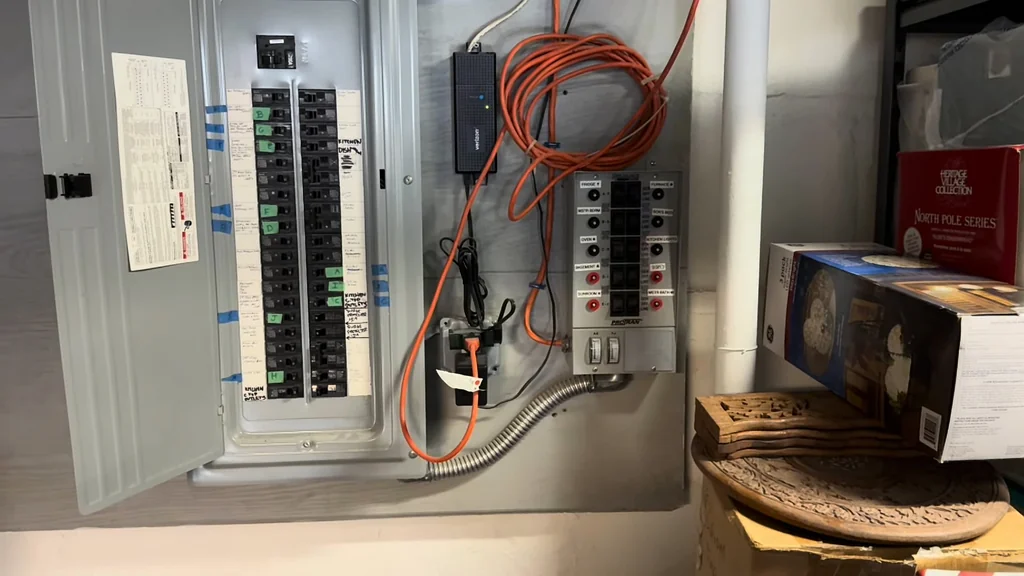
Headed to the transfer switch panel and started flipping circuits. Fridge, lighting, TV, internet, alarm system — all on. Skipped the heater because it's a power hog. It's a simple process: just move the switches to the generator position. Be selective about what you power and the battery lasts way longer.
Managing Energy Consumption
The heater would drain this thing in no time, so I didn't even try. Water heater runs on natural gas, so that was fine. Skipped the dishwasher and hairdryer too. Focused on the fridge and basic lighting. With the fridge compressor running, I was pulling about 300-400 watts. That's manageable for this battery.
Monitoring Real-Time Load
When the fridge compressor wasn't running, the load dropped to about 100 watts — just LED lights, cable box, and alarm clocks. Hard to get much lower than that without shutting everything off. Started at 75% charge and it ran for six hours straight. The performance was rock steady the whole time.
Analyzing Battery Performance
Over six hours, the capacity dropped from 78% to 35%. That's solid for running essentials. Fridge and lights only is the sweet spot. This test proved the AC200L handles a standard outage without breaking a sweat — and without making you go outside in the rain to start a generator.
Utilizing Pass-Through Charging
If the outage had gone longer, I'd use pass-through charging. You plug the station into a generator while it simultaneously powers your devices. It charges from zero to 85% in about 45 minutes with turbo mode. That'd be my backup plan — charge up fast, then shut the generator down and run silent on battery power overnight.
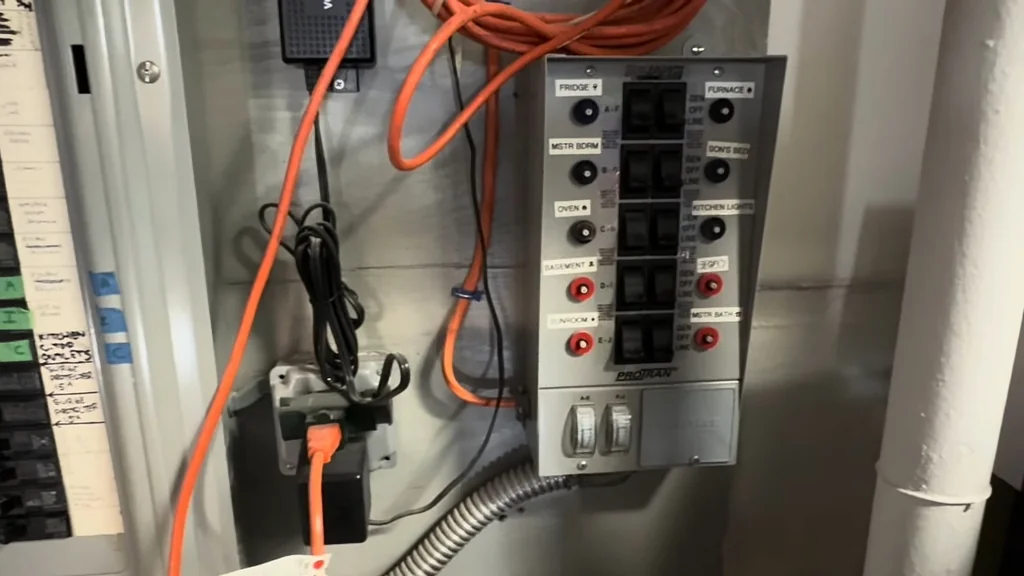
Once the battery's full, you kill the generator and coast until morning. Way more convenient than listening to an engine drone all night. The transfer switch is a 10-circuit Reliance panel, fully 220-volt capable. It's been a reliable setup.
Switching Circuits to Generator
The jumper connects two circuits to give 240 volts if needed. That night, I moved the switches to generator position for the fridge, master bedroom, basement lighting, and sunroom. Left the oven off — too much draw. It's just a matter of flipping switches. Heating stayed off to stretch the battery.
Evaluating System Limitations
I knew going in that this wouldn't run the heater or the dryer. That's fine — the transformer was out and I needed a quick solution. This beat dragging a heavy generator through the rain any day. I powered exactly what I needed, and it worked flawlessly.
Post-Outage Cleanup
After six hours, the grid came back. I disconnected the battery, flipped the transfer switch back to mains, and charged the unit up for next time. This was my first real blackout test with the AC200L, and it passed. Wish I could've filmed the whole thing better, but the camera gear wasn't charged when the power dropped. It happened that fast.
Final Verdict on Backup Power
For home backup, the AC200L is the minimum I'd recommend. There are bigger options out there, but this handled my essentials without breaking a sweat. The 2048 Wh capacity was more than enough for a six-hour outage. It's a solid choice if you want silent, reliable backup power.
⚠️ CAUTION: SAFETY WARNING!
Make sure your transfer switch is installed by a licensed electrician — back-feeding the grid can kill utility workers. Never run the power station in standing water or high humidity without protection.
Summary & Tips
The Bluetti AC200L kept my house functional through a six-hour blackout without any drama. Pick your circuits carefully and you'll stretch the runtime further than you'd expect. This setup avoids the noise and fuel hassle of a traditional generator. For short-term outages, it's a practical, quiet, and reliable solution.
📋 FAQ
❓ Can the AC200L run my entire house?
No, it's for essential circuits only — fridge, lights, internet. Heavy stuff like central heat or electric dryers are way beyond this unit's capacity.
❓ Is it safe to leave the station outside?
Nope, it's not waterproof. Keep it inside near a window or on a covered porch. Protect your gear from rain at all costs.
❓ How long does it take to recharge?
Really fast with turbo mode — about 45 minutes to hit 85%. That's huge when you're cycling between battery and generator power.
❓ Do I need a special transfer switch?
Yeah, a manual transfer switch like the Reliance 10-circuit is the standard. It lets you safely switch individual circuits from grid to your portable station.
Disclaimer: I purchased all tools for this guide with my own money to ensure an unbiased review. This post contains affiliate links, meaning I earn a small commission if you make a purchase at no extra cost to you.