Choosing the right solar technology for your off-grid setup isn’t just about the wattage rating on the label. This test compares three distinct 200W solar panel architectures—CIGS, TOPCon, and 9BB PERC—to see how they actually hold up under real-world conditions. We’re looking at efficiency, shading tolerance, and output consistency to help you decide which panel fits your specific power needs.
⚡ Quick Guide: How to Evaluate Solar Panel Tech
📋 In This Article
- Technical Specifications & Components
- Tools & Materials Used — what you will need for this project
- Setting Up the Solar Test Bench
- Initial Inspection of Panel Arrays
- Measuring Baseline Solar Irradiance
- Examining Cell Construction Details
- Benchmarking Panel Output Levels
- Comparing Rigid Panel Form Factors
- Analyzing Flexible CIGS Characteristics
- Recording Initial Test Data
- Reviewing Performance Results
- Comparing Efficiency Across Technologies
- Testing Under Partly Cloudy Conditions
- Charging Power Stations for Real-World Load
- Evaluating Partial Shade Performance
- Simulating Shade with Cardboard
- Monitoring Power Station Input
- Analyzing Full Shade Data
- Reviewing Real-World Application Scenarios
- Finalizing the Solar Comparison
- FAQ
📊 Technical Specifications & Components
| CIGS Panel Rating | 200W |
| TOPCon Panel Rating | 200W |
| 9BB PERC Panel Rating | 200W |
| Cell Technology | CIGS (Copper Indium Gallium Selenide) |
| Cell Technology | TOPCon (Tunnel Oxide Passivated Contact) |
| Cell Technology | 9BB PERC (Passivated Emitter and Rear Cell) |
| Connection Type | MC4 |
📊 Project Overview & Costs
🔧 Difficulty Level: Easy
⏱️ Time Investment: DIY: 2 hours | Pro: 1 hour
💰 Professional Service Cost: $150-$400 per panel
💡 Verdict: Testing before installation prevents massive power losses in shaded environments.
🛠️ Tools & Materials Used
• Cardboard for shading simulation
• Solar panel mounting hardware
Step-by-Step Assembly, Repair, Testing & Inspection
Setting Up the Solar Test Bench
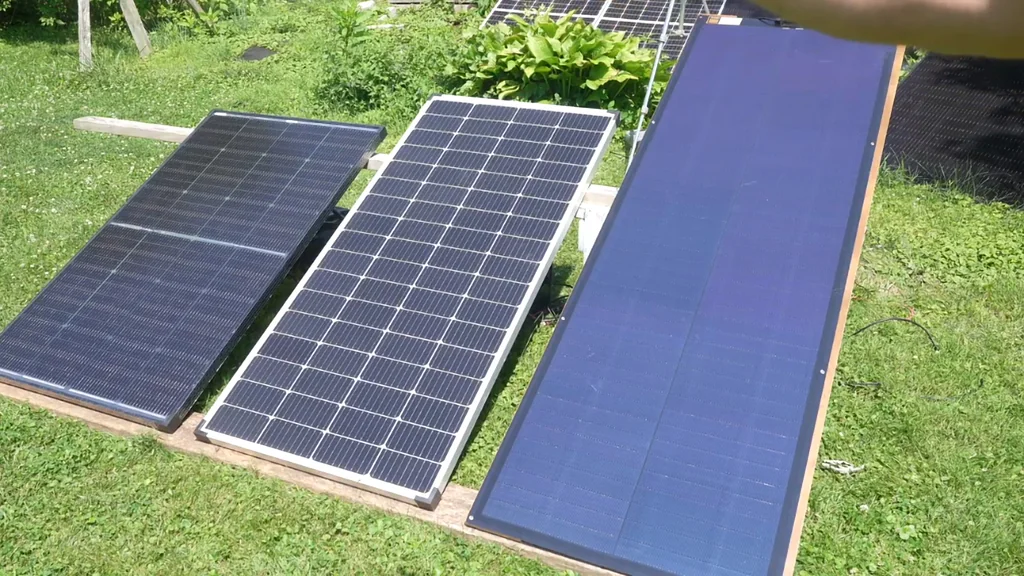
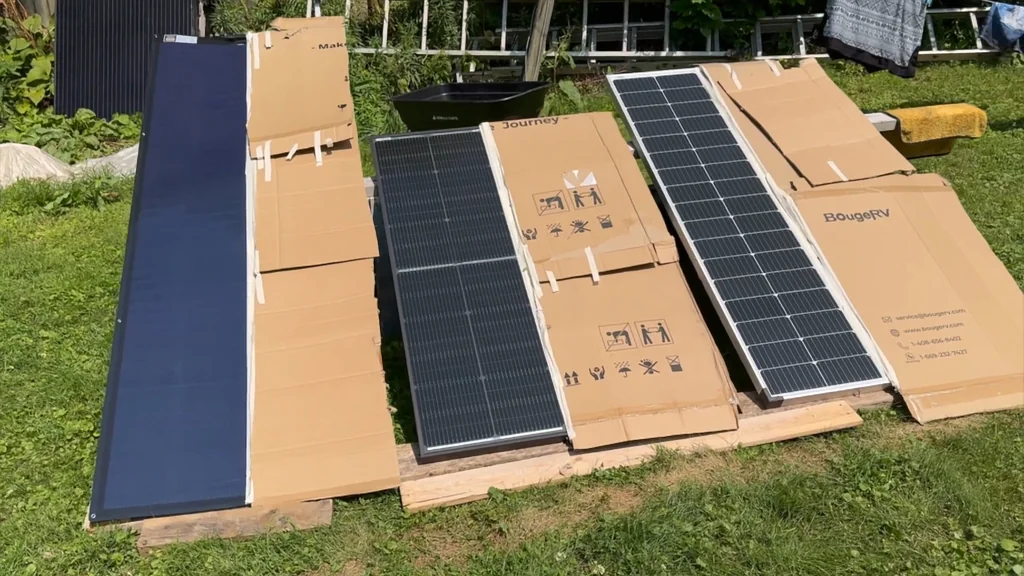
We start by laying out the three 200W panels on a flat grass surface. It's a clean setup. Each panel represents a different manufacturing philosophy in the current market. We have the flexible CIGS, the high-efficiency TOPCon, and the standard 9BB PERC. Proper orientation is key here. We need them all facing the same direction to ensure the incoming solar irradiance is identical for everyone.
Initial Inspection of Panel Arrays
A quick visual check confirms no physical damage to the glass or the flexible substrates. That matters. We're looking for micro-cracks or delamination, especially on the flexible CIGS unit. Everything looks factory fresh. The build quality on these BougeRV and Renogy units is solid. We're ready to start the data collection process.
The sun is hitting the panels at a consistent angle. It's bright out. We need to establish a baseline for each panel's maximum power point under full sun. This gives us the reference point for all subsequent tests. No clouds are interfering with the readings right now. The panels are performing as expected.
Examining Cell Construction Details
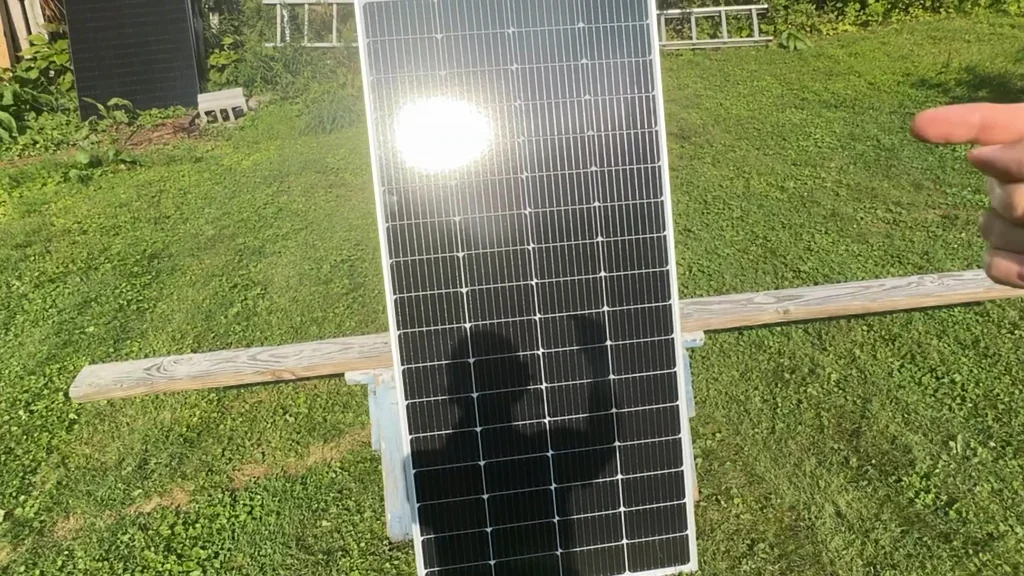
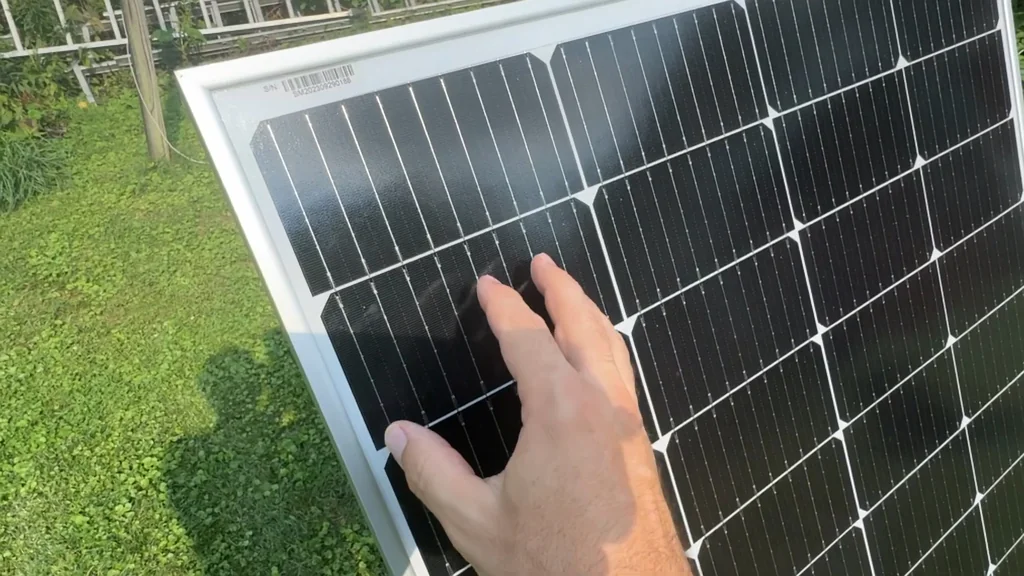
Touching the cells reveals the different textures of the silicon and thin-film materials. It's tactile. The PERC cells have that classic grid pattern, while the TOPCon looks more uniform. The CIGS panel feels completely different, being flexible and lightweight. These physical differences dictate how they handle heat and light absorption.
Benchmarking Panel Output Levels
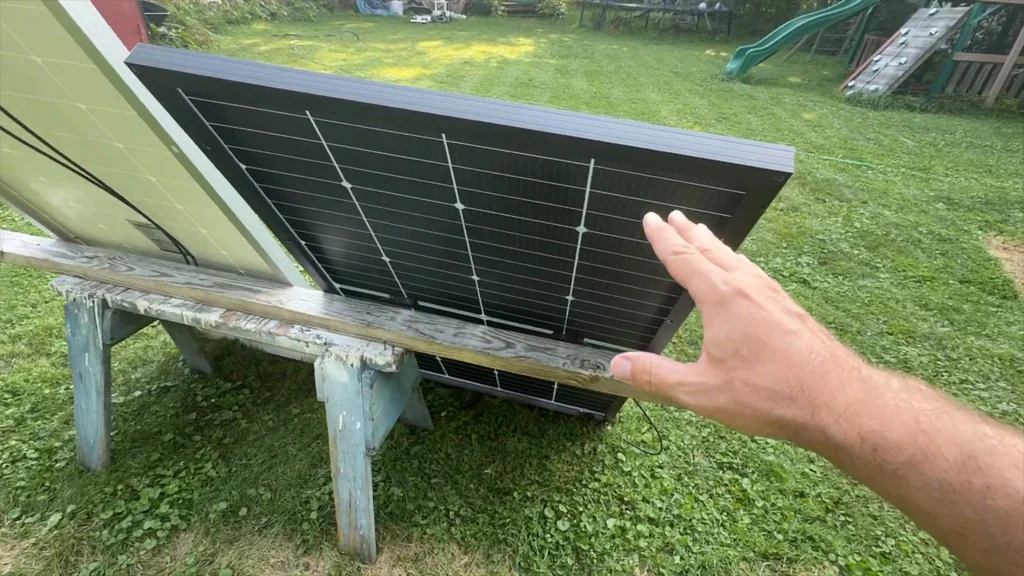
We've moved the panels to the bench for easier access to the connectors. It's easier to work here. We're checking the open-circuit voltage and short-circuit current for each unit. These numbers tell us if the panels are meeting their factory specs. Everything is within the expected tolerance range. No surprises so far.
Comparing Rigid Panel Form Factors
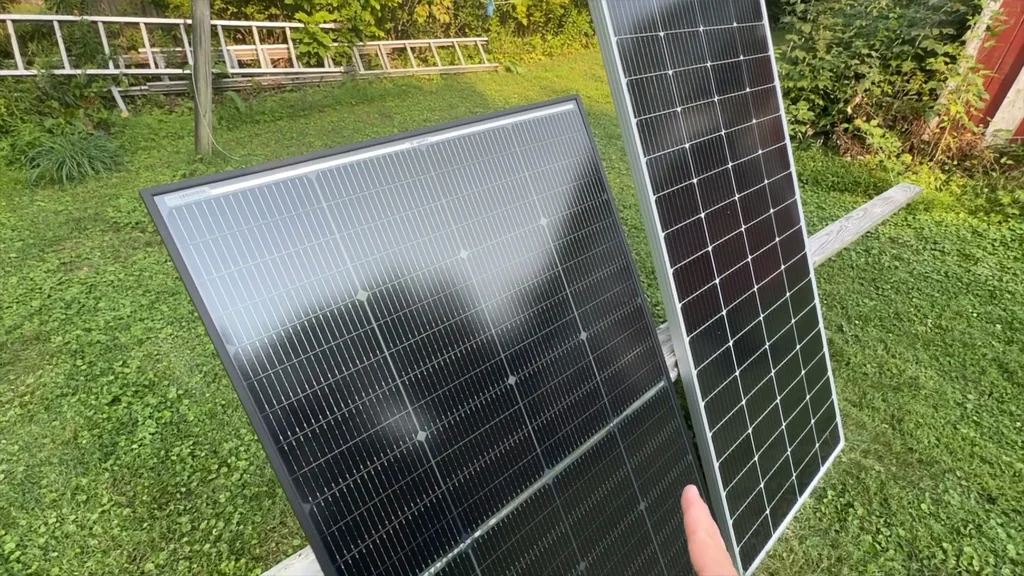
The rigid panels are heavy compared to the flexible ones. They are built to last. We're comparing the frame construction and the junction box placement. The 9BB PERC and the TOPCon panels have robust aluminum frames. They are designed for fixed mounting on roofs or ground arrays. The weight difference is significant.
Analyzing Flexible CIGS Characteristics
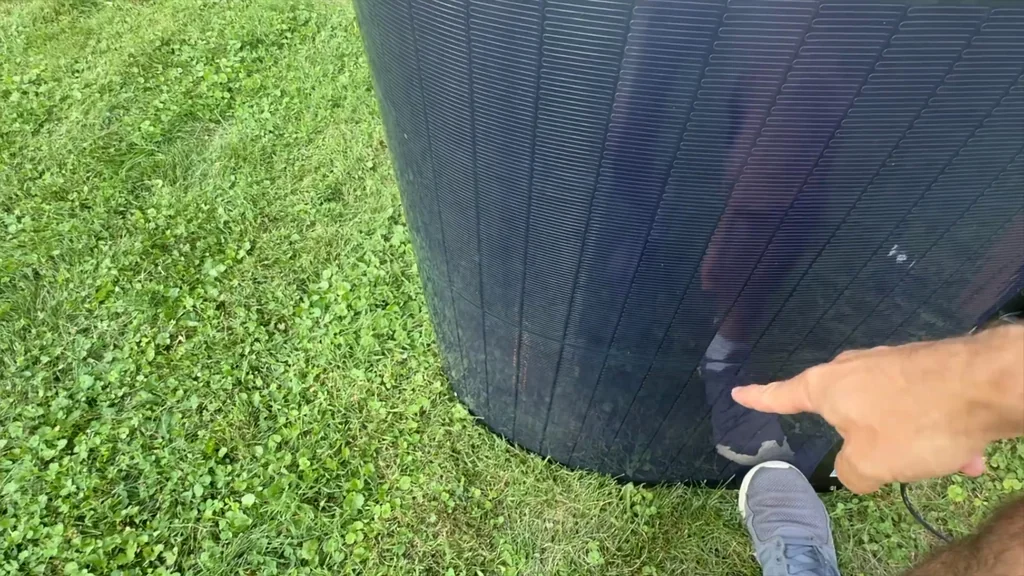
The CIGS panel is the outlier in this group. It's incredibly thin. This technology is designed for portability and non-traditional surfaces. It handles shade differently than the rigid silicon panels. We're noting the mounting holes and the overall flexibility. It's a specialized tool for specific use cases.
Recording Initial Test Data
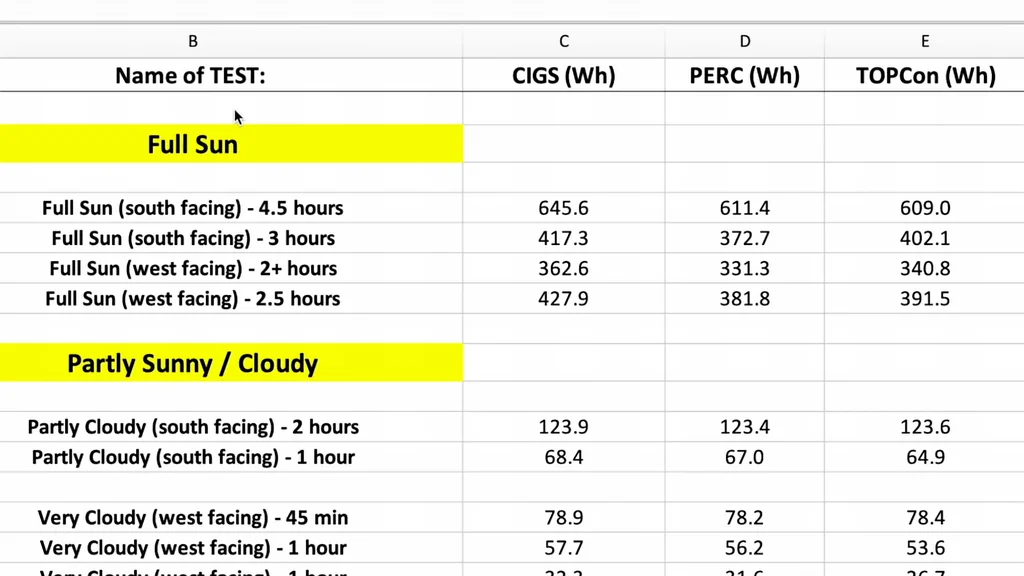
We're logging the raw numbers into a spreadsheet. It's data time. We're tracking voltage, current, and total wattage under full sun. This spreadsheet will be our primary reference for the comparison. Accuracy is critical here. We don't want any skewed results.
Reviewing Performance Results
The results are starting to show clear trends. One panel is pulling ahead. We're comparing the efficiency per square meter. It's interesting to see how the different technologies handle the same solar input. The data confirms our initial observations. The numbers don't lie.
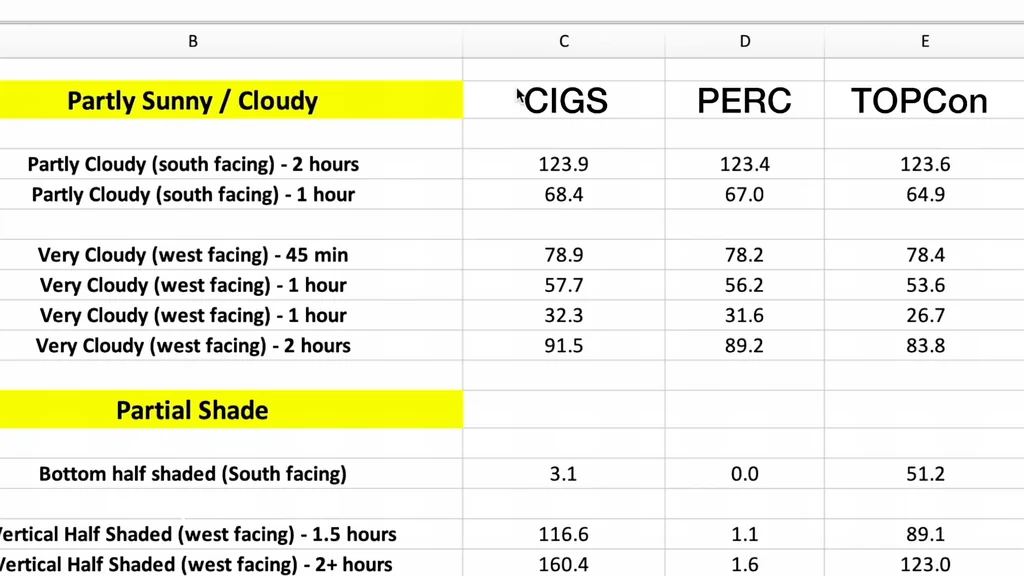
We're looking at the efficiency gap between the three panels. It's a tight race. The TOPCon is showing impressive numbers in high light. The PERC is reliable and consistent. The CIGS is holding its own despite the different tech. This comparison is vital for choosing the right setup.
Testing Under Partly Cloudy Conditions
Clouds are rolling in now. It's changing everything. We're testing how each panel reacts to diffuse light. This is a real-world scenario for many users. Some panels drop off faster than others. The data is fluctuating as expected. We need to capture these dips.
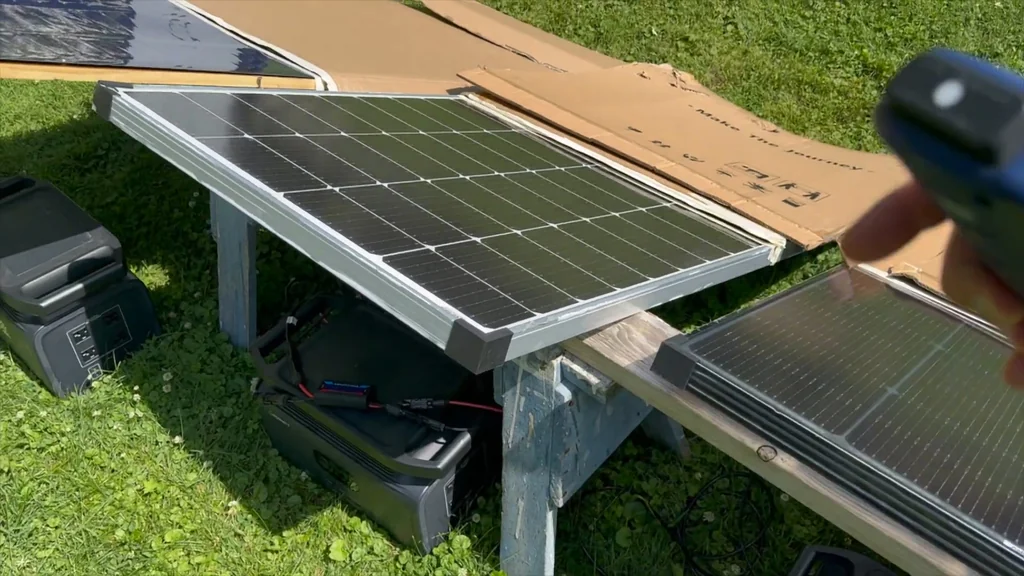
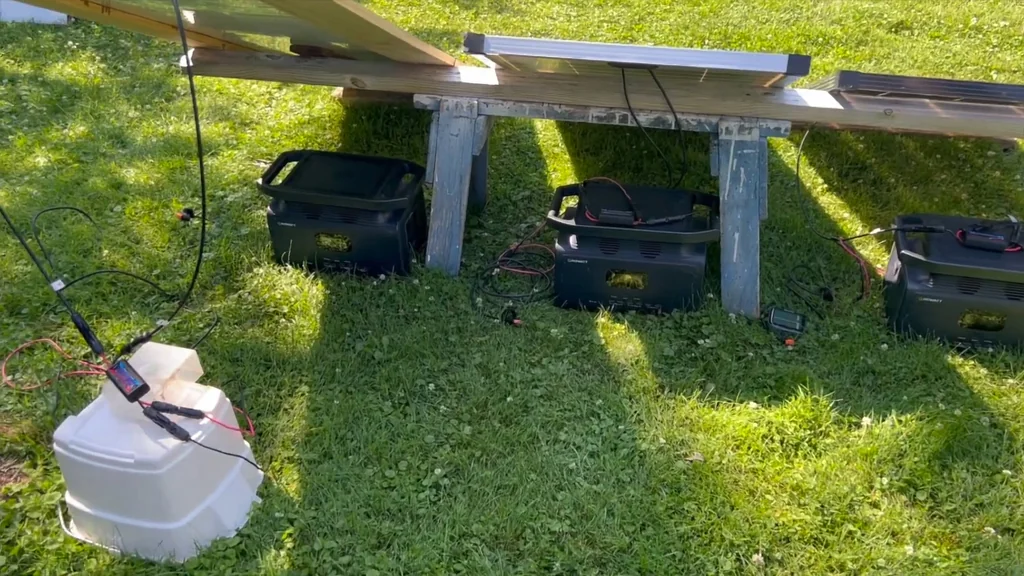
We're connecting the panels to portable power stations. It's a practical test. We want to see how the charge controller handles the varying input from each panel. The power stations are showing the real-time wattage. This is the ultimate test. It's working well.
Evaluating Partial Shade Performance
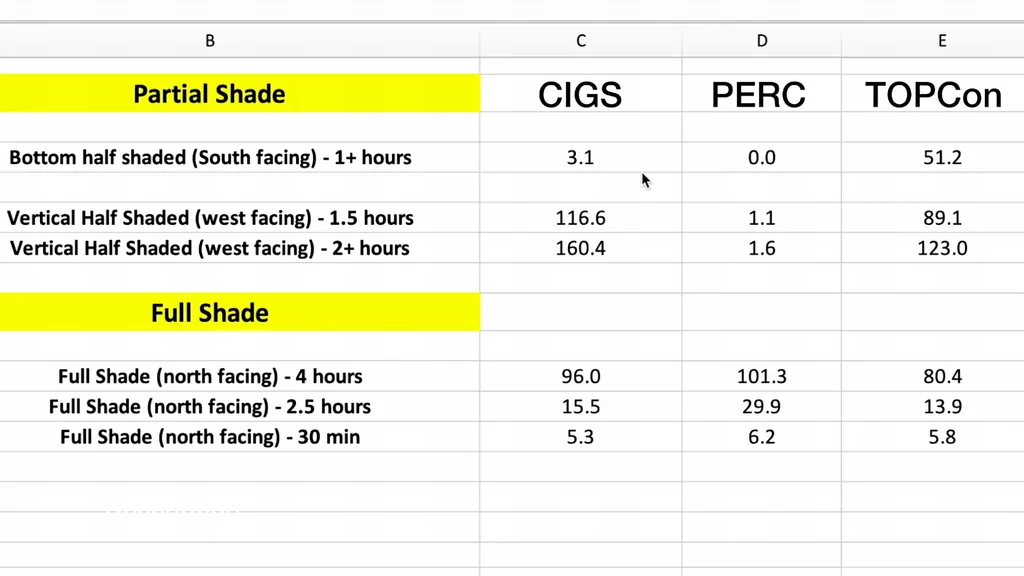
We're introducing partial shade to the panels. It's a stress test. We want to see how the bypass diodes perform. Some panels handle this better than others. The output drop is significant for some. We're recording the exact percentage of loss.
Simulating Shade with Cardboard
Using cardboard to shade specific sections of the panels. It's a simple method. We're testing the resilience of the cell strings. This shows us which panels are more robust against localized shading. The results are eye-opening. It's a crucial test.
Monitoring Power Station Input
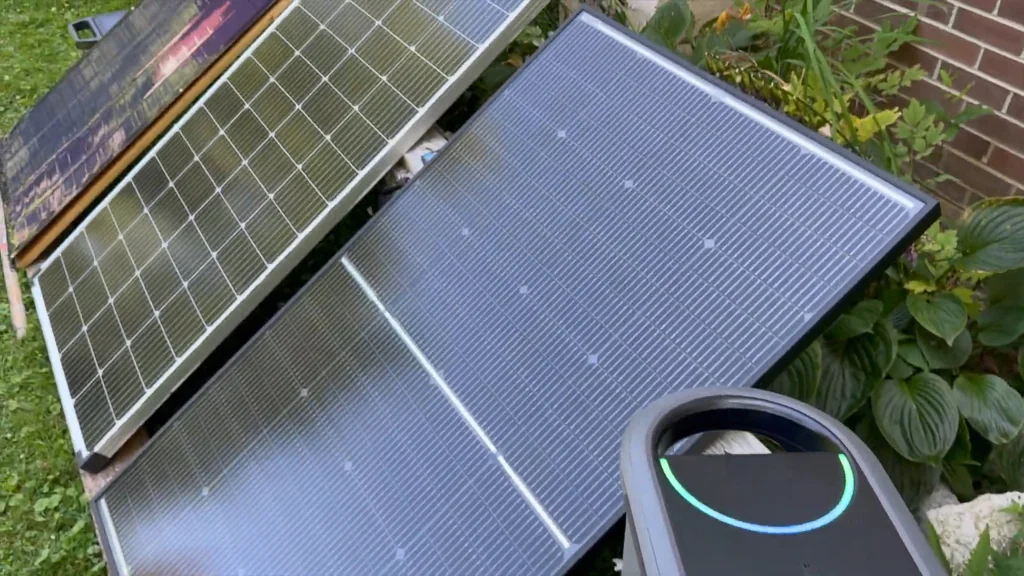
The power station display is showing the input wattage. It's consistent. We're watching the charge curve as we move the shade around. The system is responding quickly. It's a good setup. Everything is connected properly.
Analyzing Full Shade Data
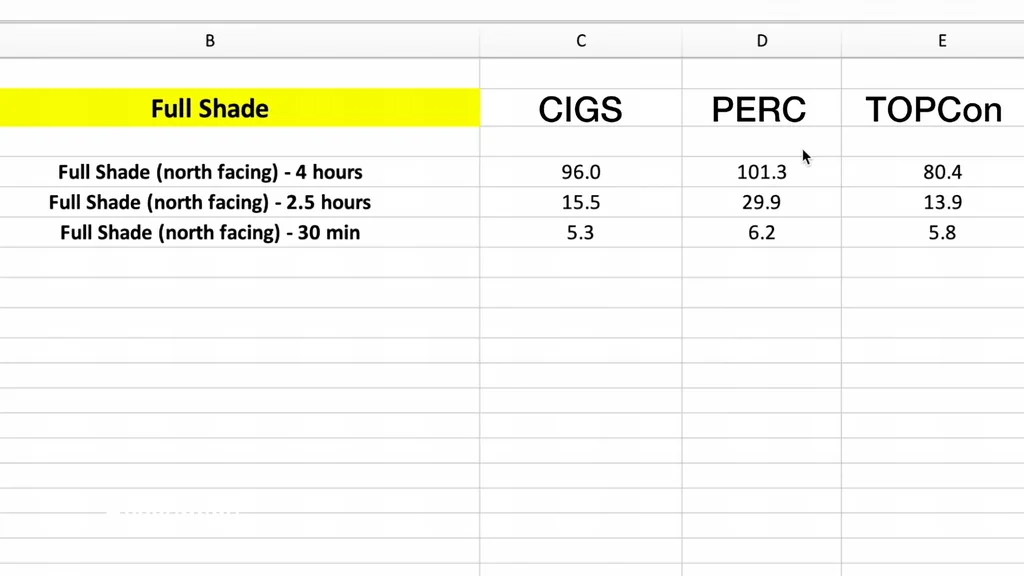
We're looking at the data from the full shade test. It's a worst-case scenario. The output is minimal for all of them. This confirms that shade is the enemy of solar. We've got the final numbers now. The test is complete.
Reviewing Real-World Application Scenarios
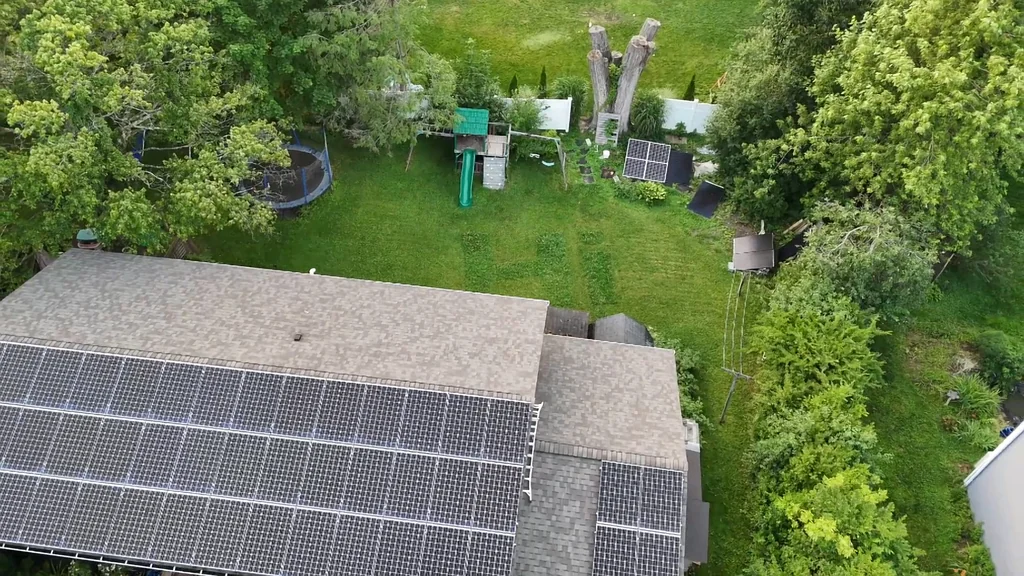
Looking at the house setup gives context. It's a big picture view. We're considering where these panels would actually be used. Roof-mounted vs. portable. The application dictates the technology choice. It's all about the environment.
Finalizing the Solar Comparison
We're wrapping up the testing. It's been a long day. We have enough data to make an informed decision. Each panel has its strengths and weaknesses. The final comparison is ready. We're done here.
⚠️ CAUTION: SAFETY WARNING!
Solar panels produce high DC voltages when exposed to light, which can cause severe electrical shock. Always cover the panels or work in low light when making or breaking connections.
Summary & Tips
Testing these three solar technologies highlights that there is no single best panel for every situation. While CIGS offers great flexibility and shade tolerance, the rigid PERC and TOPCon panels remain the kings of cost-per-watt. Choose your technology based on your specific mounting environment and budget constraints. Proper testing ensures you get the performance you paid for.
📋 FAQ
❓ Which solar panel technology is best for portable setups?
Usually, the CIGS flexible panels are the winner here. They are lightweight and durable. You can pack them easily.
❓ Does shading really affect solar output that much?
Yeah, it's a massive issue. Even small amounts of shade can kill the output of an entire string. Always try to keep your panels clear.
❓ Are these panels compatible with all power stations?
Depends on the voltage and current limits of your station. Always check the specs before plugging in. Don't fry your gear.
❓ Is it worth paying more for TOPCon over PERC?
Honestly, it depends on your space. If you have limited roof area, the higher efficiency of TOPCon is worth the extra cash. If you have plenty of room, PERC is fine.
Disclaimer: I purchased all tools for this guide with my own money to ensure an unbiased review. This post contains affiliate links, meaning I earn a small commission if you make a purchase at no extra cost to you.